Why Daycare CPR Classes in Troy Must Include Pediatric Scenarios
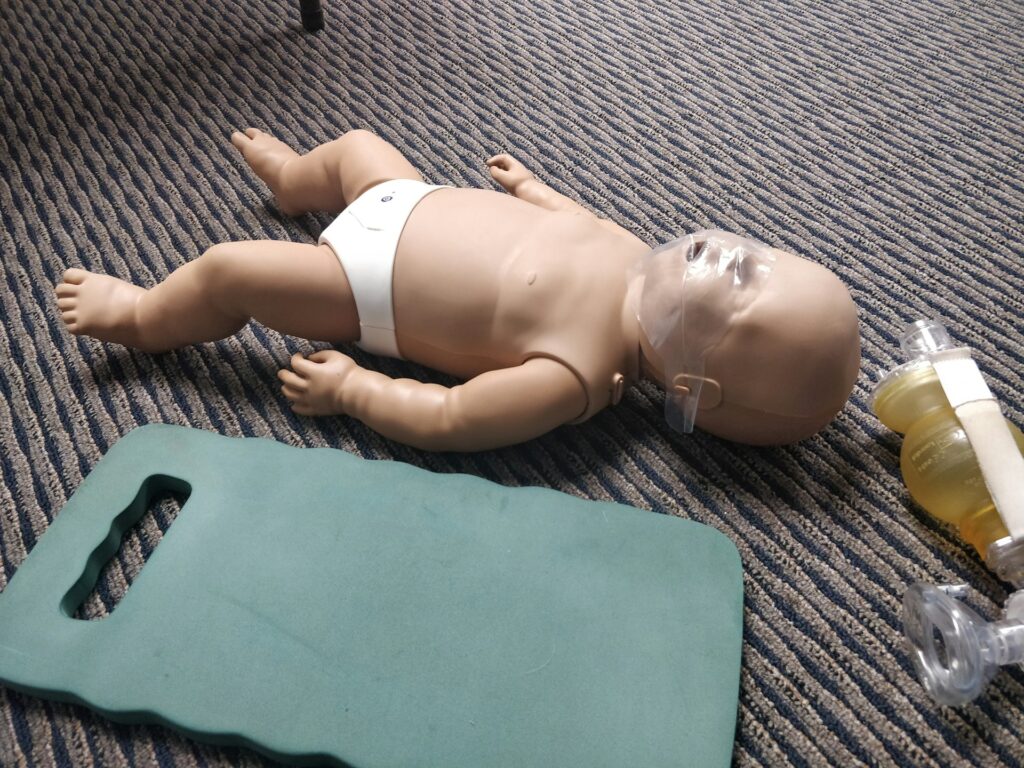
Why CPR Classes for Daycare Workers in Troy Must Be Pediatric-Focused
When a child stops breathing, there is no time to read a manual or search for steps on a phone. The daycare worker standing nearby has to know exactly what to do for that small body on the floor. For daycares in Troy, that means CPR training that is built around infants and children, not just adults.
CPR classes for daycare workers in Troy should match the real risks children face each day. Kids in care are younger, smaller, and still growing, so their bodies respond differently in an emergency. Training that follows American Heart Association (AHA) guidance gives daycare workers clear, age-appropriate steps they can trust when every second counts.
Pediatric CPR Skills Every Troy Daycare Needs
Daycare centers bring many infants and children together in one space. That alone makes age-specific CPR non-negotiable. A general adult-only course leaves big gaps, especially when the youngest child in the room weighs less than a backpack.
Strong pediatric-focused CPR classes for daycare staff should include:
- Infant CPR with one- and two-rescuer techniques
- Child CPR with correct hand placement and compression depth
- Safe rescue breaths for small lungs
- How to work as a team until EMS arrives
When CPR training is tailored to kids, workers learn to respond to the emergencies they are most likely to see in classrooms, nap rooms, and playgrounds. At our AHA-aligned location for Troy CPR, AED, and first aid training, we focus on these age-specific needs so staff are not guessing in the moment.
How Pediatric Emergencies Differ From Adult Cases
Children are not just “small adults.” Their bodies work in different ways, and those differences change how CPR is done.
A few key points daycare workers must understand:
- Smaller airways, which block more easily from swelling, mucus, or foreign objects
- Faster heart and breathing rates, so signs of trouble can appear and change quickly
- Higher risk of breathing and airway problems compared to classic adult heart attacks
In a daycare setting, the most common emergencies tend to involve:
- Choking during meals or snack time
- Breathing trouble from asthma or illness
- Allergic reactions to foods or insect stings
AHA-aligned pediatric training teaches rescue steps that do not match adult CPR. For example, infant CPR uses different compression-to-breath ratios, different hand positions, and gentler rescue breaths. Adult-style force on an infant or small child can be harmful, so daycare workers need clear pediatric techniques they can practice until they feel natural.
Key Pediatric Scenarios Every Daycare Class Should Cover
If CPR classes for daycare workers in Troy skip real-life child scenarios, staff may freeze when a true emergency happens. Training should walk through situations that match a normal day in care.
High-quality daycare CPR classes should cover:
- Infant choking during bottle feeding or solid foods
- A child collapsing during active play on the playground
- A child with asthma who is working hard to breathe
- A child with hives or swelling after contact with an allergen
Hands-on practice is one of the most important parts of this training. Workers should train on:
- Infant manikins for correct finger placement and gentle compressions
- Child manikins to learn proper hand position and depth
- Rescue breathing skills so air goes into the lungs, not the stomach
Scenario-based practice teaches staff to:
- Spot early signs that a child is in distress
- Call for help quickly and clearly
- Start CPR and use an AED within seconds when needed
Daycare workers in other communities we serve, like those who attend AHA courses in Uniondale training classes, have found that repeated practice with kid-sized manikins helps build calm, quick action in stressful moments.
Including AED and First Aid in Pediatric Training
CPR alone is not enough preparation for a daycare. An AED and solid first aid skills are also part of a complete response, especially when the emergency may lead to cardiac arrest.
Pediatric-ready AED training should include:
- How to use pediatric pads or adjust adult pads when needed
- Where the AED is stored in the daycare and how to grab it fast
- How to follow AED voice prompts without pausing CPR for too long
Combining CPR, AED, and first aid training helps daycare workers manage related emergencies such as:
- Bleeding from cuts or falls
- Burns from hot surfaces or spills
- Head injuries from playground equipment
- Allergic reactions that may progress to breathing problems and cardiac arrest
AHA-based courses also show teams how to coordinate during an emergency. Roles can be split so:
- One staff member starts CPR
- One brings and operates the AED
- One calls 911 and guides responders to the child
We use this same team-focused approach in our other locations, such as our Santa Barbara CPR and first aid classes, because clear roles help lower panic and confusion.
Building Confidence and Team Readiness in Troy Daycares
Even when staff know the steps on paper, fear can still slow them down. The goal of training is not just passing a test, but feeling ready to act without hesitation.
Repeated scenario practice helps with:
- Staying calmer when a child is not breathing
- Speaking clearly to coworkers and 911 operators
- Starting compressions and breaths quickly and correctly
Daycare-specific drills add another layer of readiness. Staff can:
- Walk the routes from classrooms and playgrounds to the AED
- Decide who leads in different rooms or times of day
- Practice moving furniture or play items out of the way fast
For Troy daycares, strong CPR classes for daycare workers in Troy support more than safety. They support regulatory expectations, reassure parents, and create a culture where every staff member feels responsible for knowing what to do. When training is built around pediatric needs and follows trusted AHA guidance, daycare workers can step into an emergency with skill, confidence, and a clear plan to protect the children in their care.
Give Your Troy Daycare Team Confidence To Respond In Emergencies
Our instructors at CPR, AED, and First Aid Certifications provide practical, hands-on training tailored to the real situations daycare workers face every day. Explore our CPR classes for daycare workers in Troy to find a schedule that fits your staff and licensing requirements. If you have questions about group sessions, certification details, or on-site training options, please contact us so we can help you prepare your team to act quickly and confidently.