Give Your Summer Camp Team the Confidence to Save Lives
A busy camp afternoon can change in a few seconds. A camper starts wheezing during a game, a child comes out of the pool coughing and scared, or someone has a strong reaction to a bee sting. In that moment, your staff either freezes or steps in calmly and confidently. The difference is training.
Summer is when kids are outside, active, and trying new things. It is also when bumps, scrapes, and more serious emergencies are most likely to happen. First aid classes are not a nice extra for camps; they are part of running a safe and professional program. In this article, we will talk about when to schedule classes, who needs which certifications, and how to make training smooth before campers arrive. At CPR, AED, and First Aid Certifications, we offer American Heart Association-approved courses with easy enrollment and same-day cards, which work well with tight camp timelines.
Why First Aid Training Matters More in Summer
Summer camp days are full of sun, water, and action. That mix can quickly lead to certain types of emergencies. When your staff has strong first aid skills, they can spot trouble early, act fast, and keep small problems from becoming big ones.
Common summer camp risks include things like:
- Heat exhaustion and heat stroke
- Dehydration during long outdoor activities
- Insect bites, stings, and allergic reactions
- Sunburn and related skin problems
- Water-related incidents and near drownings
- Hiking slips, falls, and sprains
- Sports injuries from running, jumping, and contact
With the right first aid classes, your team learns how to recognize warning signs, respond in a calm way, and stay within their training. Quick, trained action can often reduce pain, limit how severe an injury becomes, and sometimes avoid a trip to the hospital.
There is also another benefit that matters a lot to families. Parents and guardians feel more peace of mind when they know camp staff have current CPR, AED, and First Aid certifications from a trusted provider. When you can show that your team is trained and current, it shows that safety is a real priority, not just a word in your brochure.
Choosing the Right Certifications for Your Camp Staff
Not every role at camp needs the same level of training. A smart plan matches each staff member’s job with the right course. That way, you get strong coverage across your whole site without wasting time or energy.
In general, camps often think in three main groups:
- Basic First Aid: Great for general counselors, cabin leaders, and support staff
- CPR and AED: Key for staff in charge of sports, waterfront, pools, or high-energy activities
- BLS (Basic Life Support): Best for licensed healthcare staff or medical team members on site
Camp directors can map roles to training needs by looking at daily duties:
- Aquatics and waterfront staff: CPR, AED, and First Aid at a minimum
- Sports and activity leaders: CPR, AED, and First Aid
- Kitchen staff: First Aid, with extra focus on burns, cuts, and choking response
- Trip and hiking leaders: First Aid, with strong emphasis on environmental and injury response
- Overnight cabin staff: First Aid and CPR if they supervise campers directly
It is also important to consider any rules that apply to your camp. Some states or local areas may require certain certifications for specific roles, especially for water or adventure programs. Your insurance provider may also have expectations around documented first aid classes and current CPR or AED training. Keeping clear records of staff certifications can help support compliance with those standards.
Best Timing to Schedule First Aid Classes Before Camp
Good training starts long before the buses roll in. Giving yourself enough time helps everyone get certified, handle make-up sessions, and avoid last-minute stress.
A smart timeline often looks like this:
- Start planning 2 to 3 months before opening day
- Block training dates 4 to 6 weeks before staff orientation
- Leave room for follow-up sessions for late hires or missed classes
Scheduling first aid classes early helps with:
- Instructor availability, especially in late spring when many groups are booking
- Group planning so you can keep teams together by role or location
- Making sure certifications stay valid throughout the whole camp season
Same-day certification cards can be a big help for HR and staffing. When staff receive proof of completion right after class, you can finalize rosters, confirm compliance for certain positions, and keep the hiring process moving. This is especially helpful for camps that bring in seasonal workers close to opening day.
Making Training Easy with Group Classes and Simple Logistics
Once you know who needs what, the next step is choosing how your first aid classes will run. Camps often use one or a mix of these options:
- On-site group classes at camp
- Group classes at a central training location
- Blended learning, with online modules plus an in-person skills check
On-site group training keeps your whole team together, lets you train in the real setting, and can be easier for staff who live on campus. Blended learning can help when schedules are tight, since staff can complete online parts ahead of time and then attend a shorter in-person session for hands-on skills.
For smooth logistics, it helps to:
- Tie training to staff orientation so it feels like a core part of the job
- Set up a comfortable training space, like a large room with open floor space
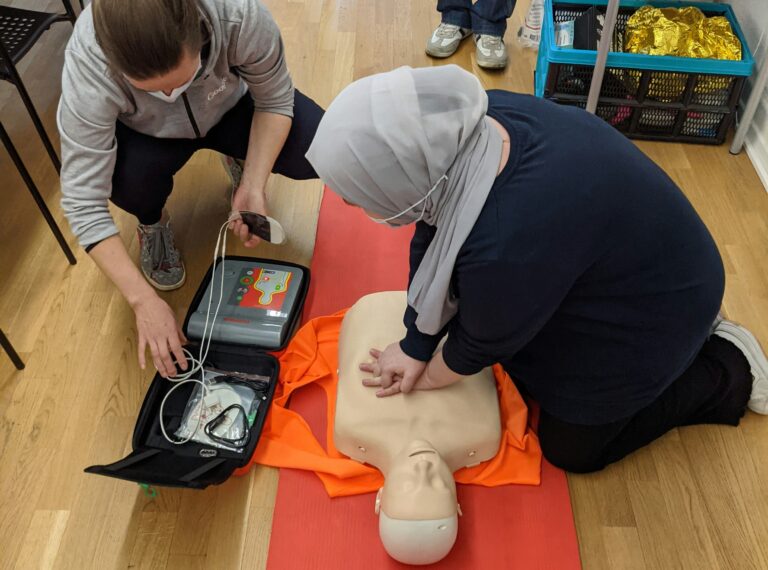
- Make sure there is access to CPR manikins, AED trainers, and first aid supplies during class
- Plan sign-in sheets and a simple system to store records of completed courses
Using a single provider for all first aid classes can keep things organized. One team can handle multiple sessions, track who has finished which course, and issue cards on the same day so you always know where your staff stands.
Reinforcing Skills All Summer Long
First aid training works best when it is not a one-time event. Even after certification, skills can fade if people never practice them. Camps that build regular refreshers into the season often see more confident staff responses.
Simple ways to keep skills fresh include:
- Short review moments during weekly staff meetings
- Quick scenario role plays, like practicing how to respond if a camper collapses or has trouble breathing
- Regular reminders of where AEDs and first aid kits are located
- Clear reviews of who calls emergency services and who leads care in different areas
Visual reminders help too. You can post:
- Emergency action plans in key buildings
- Maps that show AEDs, first aid kits, and radios
- Key phone numbers near office phones and radios
Anytime an incident happens, even a minor one, a short debrief can be very helpful. Talk about what went well, what felt hard, and whether your procedures need an update. This is a chance to reinforce what staff learned in their first aid classes and to spot any areas where more practice would help.
Get Your Camp on the Training Calendar Early
As spring moves along, many camps, schools, and sports programs look for group first aid classes at the same time. Spots can fill quickly. Planning early helps make sure your staff gets the dates, formats, and certifications they need before the season starts.
At CPR, AED, and First Aid Certifications, we focus on making this process as simple as possible for camp directors. Our American Heart Association-approved CPR, AED, First Aid, and BLS courses offer easy enrollment and same-day certification cards, which work well when your hiring window is short and your safety needs are high. When your team is trained, they do not just respond better in emergencies, they also create a calmer, more confident camp culture where kids can relax and enjoy their summer.
Protect Lives With Practical First Aid Skills Today
Take the next step toward being ready to act in an emergency by enrolling in our first aid classes. At CPR, AED, and First Aid Certifications, we focus on real-world skills that help you stay calm, confident, and effective when every second counts. Whether you are training for work, family, or your community, we will help you choose the right course and schedule. If you have questions or need guidance, simply contact us and our team will assist you.