Solving CPR Training Gaps for Home Health Aides in Salisbury
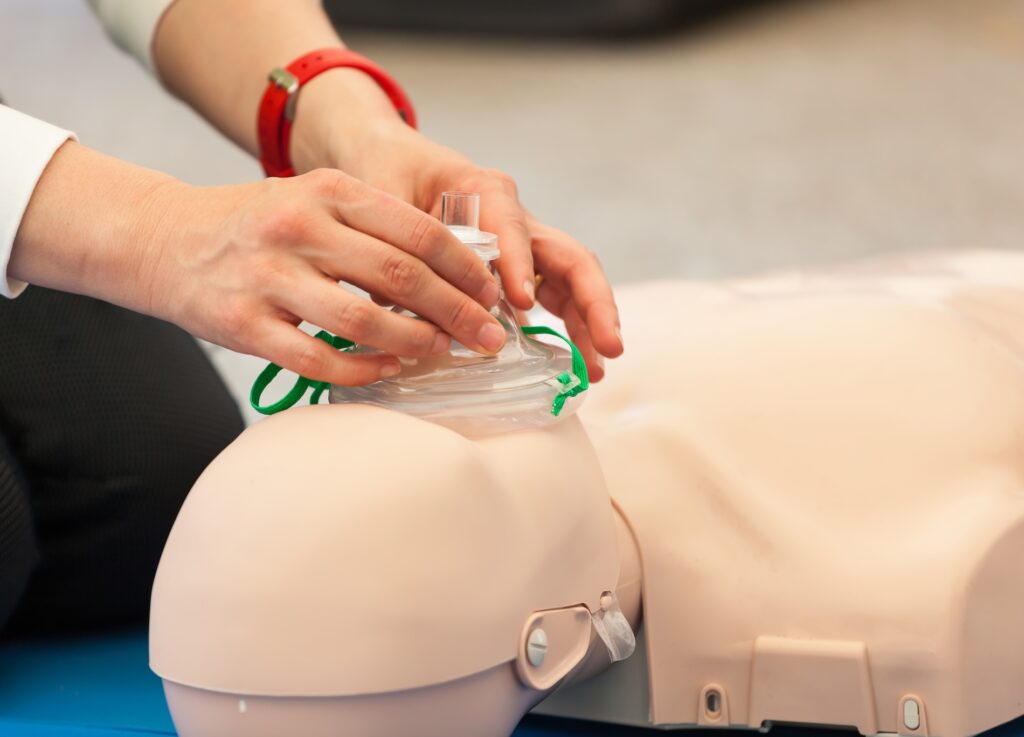
CPR training for home health aides in Salisbury is not a “nice to have.” It can be the line between life and death for a client at home. When aides are alone with high-risk clients, they are often the first and only person who can start care in a sudden emergency.
In this article, we will talk about why CPR skills often fall behind in home care, what that means for safety, and how American Heart Association courses can help close those gaps. We will also look at simple, practical steps agencies can take to keep every aide ready to act.
Why CPR Training Gaps Put Home Health Aides at Risk
Think of a home health aide in Salisbury, alone in a client’s living room, when the client suddenly stops breathing and collapses. There is no code team, no other staff running in from the hallway, just that one aide and a phone. In those first moments, confidence and current CPR skills matter more than anything.
Home health is different from a clinic or hospital because:
- Aides often work alone for long stretches
- Clients may live far from fast medical help
- Many clients already have heart or breathing problems
When CPR training is old, incomplete, or unclear, aides may:
- Freeze or hesitate to start compressions
- Not know where or how to find and use an AED
- Miss early warning signs that something is wrong
These delays can lead to preventable harm. The central problem is simple but serious: many home health aides in Salisbury do not have consistent, up-to-date CPR training they can rely on in a real emergency.
What Home Health Agencies in Salisbury Are Missing
Home health agencies care deeply about their clients, but real-world pressures often create training gaps. Schedules are packed. Staff come and go. Classes get pushed to “later.”
Common gaps we see in home care include:
- Irregular recertification or expired cards
- Relying only on quick online modules with no hands-on practice
- No real-time feedback on compression depth, rate, or AED use
Fragmented scheduling and high turnover make it hard to keep everyone current at the same time. New aides may start work with older cards. Long-time aides may miss their renewal date by months.
These gaps can affect:
- Client safety when a serious event happens at home
- Agency liability when training records are checked
- Staff confidence, especially with medically complex clients
When an aide is caring for someone with heart disease, breathing problems, or a recent hospital stay, weak CPR training is a real risk, not just a paperwork issue. Agencies in places like Troy and other cities face similar challenges, and the lessons carry over directly to Salisbury.
Why AHA-certified CPR Courses Matter for Home Care
American Heart Association courses are built around clear, evidence-based CPR, AED, and first aid skills. Many healthcare employers look for AHA cards because they follow current science and include both knowledge checks and skills testing.
There are big differences between “I watched a video once” and AHA-certified competence:
- A set curriculum that covers CPR, AED use, and first aid in a structured way
- Hands-on practice with an instructor watching and correcting technique
- Updates that match the latest AHA guidelines for high-quality compressions
Heartsaver and BLS level courses speak directly to real home care needs, such as:
- Spotting early signs that a client is in trouble
- Activating EMS fast while staying with the client
- Using an AED correctly and confidently
- Working in tight spaces, like small bedrooms or crowded living rooms
In many locations, including training centers like our AHA site in Uniondale, we see how these courses help both healthcare workers and community members feel more ready to act when it counts.
Practical CPR Training Solutions for Home Health Aides in Salisbury
The good news is that CPR training gaps for home health aides in Salisbury can be fixed with clear systems and in-person training. When agencies choose AHA-based courses, they can standardize skills across their whole team.
Helpful approaches include:
- In-person classes that give every aide the same core training
- Regular course dates so staff can plan ahead
- Same-day certification cards, reducing delays between training and work
Scenario-based practice is especially useful for home care. Instructors can walk aides through situations they truly face, like:
- Responding when family members are present and upset
- Moving around oxygen tanks, walkers, and furniture
- Working near stairs or in small rooms without losing compression quality
By using examples from other communities we train, such as Santa Barbara, we can show how aides learn to stay calm, follow the steps, and keep care safe even in awkward spaces.
Building a Stronger Safety Culture in Salisbury Home Care
Consistent CPR, AED, and first aid training is a key part of a strong safety culture in home health. When aides feel prepared, they carry themselves differently. Clients and families notice that calm, steady presence.
Agencies can build this culture by:
- Making AHA-certified training part of onboarding for every aide
- Setting clear renewal timelines and tracking expiration dates
- Offering short refreshers or practice sessions between full certification cycles
This approach has several benefits:
- Fewer training lapses that could be flagged in surveys or audits
- Better readiness for questions from referral sources, like hospitals or clinics
- More trust from families who want to know their loved one is in safe hands
CPR training for home health aides in Salisbury is not just a checkbox. It is one of the strongest links in the chain of survival at home. When agencies treat it as a non-negotiable standard, they raise the bar for safety across the whole community.
Advance Your Skills and Protect Your Clients’ Safety
If you are ready to gain the confidence to act quickly in an emergency, our CPR training for home health aides in Salisbury makes it simple to get certified on a schedule that works for you. At CPR, AED, and First Aid Certifications, we focus on practical, real-world skills so you can provide safer, more reliable care in every home you enter. Explore course options today, and if you have questions about group sessions or specific certification needs, please contact us.