Now that winter is behind us, early spring is a great time to think about safety training before schedules get packed again. The longer daylight hours and better weather make it easier to carve out time for things that sometimes fall through the cracks. CPR and first aid training is one of those things that’s easy to put off, but once spring hits, many people find it easier to make space for it. Workplaces shift from winter hours, kids return to sports, and weekend events start coming up again, sometimes fast. These changes make it an ideal season to knock out training while everything is still settling.
We’ve noticed that this time of year brings a mixed bag of routines that can interrupt plans if you’re not prepared. The trick is to get ahead of the distractions. Whether it’s field trips, weekend tournaments, or spring travel, carving out just one day can make a big difference. Starting the season with a plan helps you stay ready, even when the unexpected shows up.
What’s Different About Spring Sessions This Year?
Every spring brings a few shifts that make these training sessions feel a little different. One big change is how schedules look. As schools head into testing season and spring breaks begin, there can be sudden gaps or crowded calendars. This impacts how people book their training dates. If you’re planning to complete a certification this spring, it’s smart to look at your schedule early and find a time that isn’t likely to get overwritten by a last-minute event.
On the course side, we’re seeing little improvements make a big difference. Many programs are leaning more into blended formats. That means you might get part of the training online, then finish with a hands-on session to practice skills in person. This kind of setup gives some people more flexibility if they can’t step away from work or family for long stretches. It also helps repeat learners stay engaged without having to sit through long reviews of things they already know.
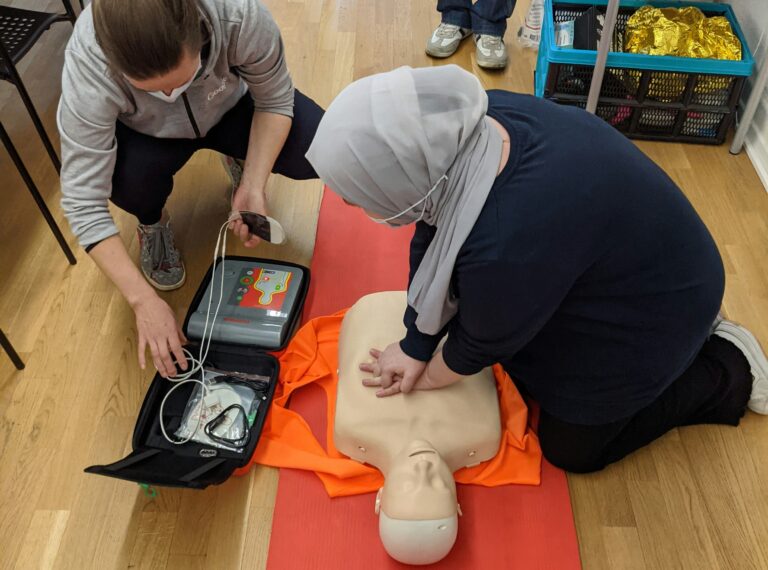
Some sessions are also starting to include brief extra time for hands-on drills. It’s not always long, but just enough to run through steps without rushing. Organizers are updating training gear regularly too, especially items like practice mannequins and visual aids. These updates keep the courses current and give learners a more realistic practice setup.
Picking the Best Time for Your Certification
Not all spring weeks feel the same when it comes to scheduling. Early spring, especially mid-March to early April, tends to be more open for most people. Schools aren’t out yet, and community events haven’t taken over the calendar. That makes it a good window for training without running into too many last-minute conflicts.
Once mid-April hits, things fill up fast. Outdoor events, Easter trips, and spring sports start to pile on. If you wait until May, it’s likely you’ll be juggling graduations, field days, or end-of-year work deadlines. Unless you know your schedule inside out, most people find it easier to book their CPR and first aid training before those busy weeks kick in.
Here’s a simple way to approach it:
- Look ahead at the next two months’ worth of obligations
- Avoid weeks right before or after major holidays or school breaks
- Pick a time when work pressure is likely to be low
Choosing a day now can help you avoid needing to reschedule later, especially if your course has limited seats.
What to Expect from Updated CPR and First Aid Training
This season’s CPR and first aid training may look a little different than it did last spring. While the core skills haven’t changed, like how to use an AED or perform chest compressions, some teaching methods have been adjusted to make learning smoother for all types of learners.
A lot of programs are now offering more visual examples or video walkthroughs. That way, learners can follow along and replay instructions if something doesn’t click the first time. Hands-on practice hasn’t disappeared, though. In fact, there’s a stronger focus this year on making sure each learner practices every step a few times in a row, instead of just once.
We’re still seeing a strong preference for in-person sessions, especially among new learners. It’s easier to figure out hand placement, rescue breathing, or how to react calmly under pressure when someone is walking you through it. For those who’ve taken courses before, some sessions have short review paths that allow more time to focus on what’s changed instead of redoing every single skill.
Beginners and returning learners alike can expect a course that moves clearly and gives enough space to ask questions, correct mistakes, and leave feeling confident about what was learned.
Who Should Consider Spring Certification This Year?
Spring tends to bring out more outdoor activity, which means unexpected scrapes, stings, or accidents are more likely. That makes it a smart time for certain people to get certified or recertified.
- Parents with kids in sports or outdoor programs
- Teachers and school staff preparing for spring field trips
- Coaches and volunteers covering seasonal leagues
- Caregivers of elderly family members who are spending more time outside
If your job or volunteer role wants proof of training, spring is also a practical time to get it done before summer scheduling problems begin. Many workplaces use the start of the new quarter to tidy up compliance needs, so having your card ready makes things easier.
Even people who don’t need certification for their role often find peace of mind knowing they can react the right way during a spring hike, picnic, or block party. The more time you spend around unpredictable situations, the more sense it makes to be ready to step in.
A Safer Start to Spring with the Right Preparation
The beginning of spring can feel like a clean slate, and that often makes it one of the easiest times to fit in training. Days start off less packed, travel picks up slowly, and most people haven’t hit “overbooked” territory just yet. That window of calm is the perfect time to take care of something that adds security and peace of mind.
One well-timed day now saves a lot of scrambling later. Getting certified before the spring calendar fills up means less conflict and fewer reasons to push things off again. It also helps set the season off with a small but solid win. That simple bit of preparation can be the difference between knowing what to do when something goes wrong or standing there unsure. Just one training day can set the tone for safer days ahead.
CPR, AED, and First Aid Certifications offers American Heart Association-compliant CPR and first aid training at convenient locations in Grand Rapids, Fairfax, and beyond, with regularly updated equipment and flexible options for in-person and blended sessions. Warmer months are on the way, and planning ahead makes all the difference for spring activities in areas like Grand Rapids and Fairfax. We know schedules tend to fill up fast by late April, so our best advice is to secure your spot between mid-March and early April, especially if you want hands-on, in-person options. Take a look at our upcoming CPR and first aid training to find a convenient time near you. CPR, AED, and First Aid Certifications is here to make sure you stay prepared for whatever the season brings.