Where CPR Classes in Durham, NC Fit in AHA Training Paths
How CPR Training Builds Real-World Confidence
Cardiac arrest and choking can happen anywhere: at work, at home, or out in the community. When they do, the people nearby are the ones who make the first difference. That is why structured CPR education matters so much, both for healthcare professionals and for everyday community members.
The American Heart Association (AHA) sets clear training paths so CPR skills build step by step. Learners start with basics like recognizing cardiac arrest, calling for help, and giving strong, steady chest compressions. From there, courses add breathing support, AED use, and team-based response, so people know what to do when they are not alone at a scene.
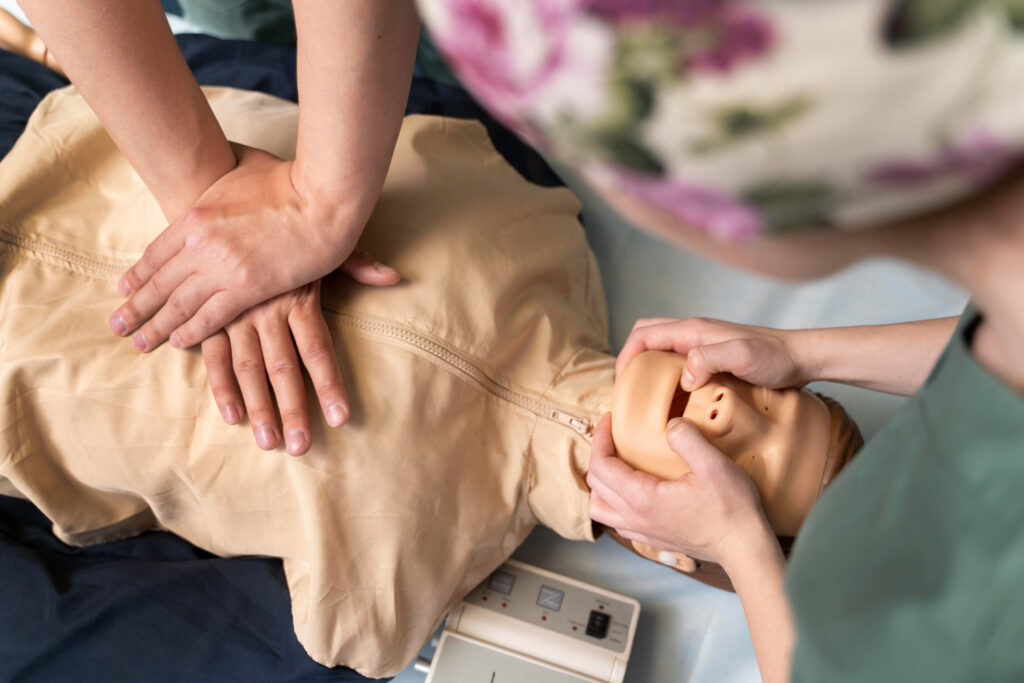
CPR classes in Durham, NC turn all of this from words on a page into real skills. In-person practice on modern manikins and AED trainers lets people feel what good compressions are like, see how an AED actually works, and work through the nervous feelings that can come with an emergency. That hands-on time is what helps learners stay calmer and more focused when it really counts.
Understanding AHA CPR Certification Pathways
AHA CPR training is not one-size-fits-all. Different courses match different roles, settings, and comfort levels. The main options focus on how often someone may face a cardiac arrest or choking emergency and what kind of CPR response is expected from them.
Three common AHA CPR-focused paths include:
- Heartsaver CPR AED
- Heartsaver CPR AED as part of a broader safety curriculum
- Basic Life Support (BLS) for healthcare providers
Heartsaver CPR AED is designed for the general public. It fits people who need to respond to cardiac arrest or choking but who do not work in clinical roles. This might include teachers, coaches, fitness professionals, childcare providers, lifeguards, or workplace safety teams.
Some employers prefer that CPR courses be paired with other safety content, but the core requirement is often CPR and AED use. In those cases, learners still build a strong foundation in recognizing cardiac arrest, starting high-quality chest compressions, and using an AED.
BLS is for people in healthcare and clinical training programs. That includes nursing students, hospital staff, dental teams, home health workers, and others who are part of a medical response system. In BLS, the focus is on high-quality chest compressions, rescue breathing, bag-mask use, and working well with a team during CPR.
The AHA structure also supports regular renewal, usually every two years. This keeps CPR skills current with the latest science and guidelines instead of leaving people with habits that may be outdated. The same national standards apply in every AHA location, whether someone is in Durham or in another training site like Uniondale.
Where CPR Classes in Durham, NC Fit in AHA Paths
CPR classes in Durham, NC follow these AHA course designs, so learners can line up their local class with the official CPR training path they need. A community member can choose Heartsaver CPR AED. A workplace group that wants broad CPR coverage for a team can select CPR training that fits their safety policies. A healthcare worker or student can enroll in BLS and build CPR skills that match clinical expectations.
Local AHA-aligned CPR training helps people fit certification into real life. Many learners are juggling work, school, and family. Flexible scheduling, like evening and weekend options, makes it easier to complete required CPR courses without missing shifts or classes. Same-day certification cards help when there is a tight deadline for a new job, clinical rotation, or background check file.
In-person CPR classes also give space to practice until AHA performance standards are met. Instructors can correct hand placement, compression depth, compression rate, or the way someone uses an AED trainer. Learners can repeat skills until they feel natural. These same designs also appear in other locations, such as AHA CPR courses in Troy, which follow the same national path.
Choosing the Right AHA CPR Course for Your Role
Picking the right CPR course usually starts with two questions: what does your job or school require, and how likely are you to face cardiac arrest or choking in your setting?
As a simple guide:
- Heartsaver CPR AED works well if you are a general community member, coach, teacher, or fitness professional who needs CPR and AED skills but not full medical training.
- Heartsaver CPR AED within a broader safety program fits workplace teams, childcare staff, or group leaders who may have to be ready to start CPR until help arrives.
- BLS fits healthcare workers, nursing and medical students, and anyone who supports clinical care or emergency response in a professional setting where CPR is expected.
Common paths look like this: someone new to CPR may start with Heartsaver CPR AED. If their workplace wants broader safety coverage, they might repeat Heartsaver CPR AED at the next renewal as part of that safety plan. A person moving into a healthcare field may transition from Heartsaver to BLS as their role changes and expectations grow.
Local CPR classes in Durham, NC give learners time to ask questions about their own workplaces or clinical areas. Instructors can help connect CPR course selection with what employers, schools, or licensing boards are actually asking for, so people do not guess or take a class that does not meet their CPR requirements.
How Same-Day CPR Certification Supports Compliance
Many organizations require proof of current AHA CPR and AED training before someone can work independently. Expired cards can delay new hires, interrupt a clinical rotation, or keep someone off the schedule until CPR training is finished.
Fast scheduling and same-day AHA CPR certification cards help reduce those gaps. If someone realizes their renewal date is close, being able to enroll quickly and walk away with updated proof of CPR training keeps things moving.
Reliable documentation also matters. With clear recordkeeping, digital access to cards, and known renewal timelines, both learners and employers can track who is current in CPR and who needs to renew soon. That structure supports long-term compliance, whether CPR training happens in Durham or at another AHA location such as Santa Barbara.
Taking Your Next Step in AHA CPR Training
Local AHA-based CPR and AED courses connect people in Durham to a national training path. Someone can start with basic CPR skills as a community responder and, over time, move into more advanced CPR courses as career goals shift toward healthcare and professional-level readiness.
The key is to match the current need with the right CPR course. A person brand new to CPR might choose Heartsaver CPR AED. A team that wants to be ready for cardiac arrest and choking emergencies might select CPR courses that cover adult, child, and infant CPR. Someone entering or already working in healthcare would likely need BLS and may later add other AHA courses outside the basic CPR track.
By understanding how CPR classes in Durham, NC fit into the larger AHA system, learners can plan ahead, stay current, and feel more ready to act quickly and effectively when a cardiac emergency happens nearby.
Protect Your Community With Life-Saving Skills
When emergencies happen, having the right training can make all the difference. At CPR, AED, and First Aid Certifications, we offer flexible, expert-led CPR classes in Durham, NC that fit your schedule and experience level. Whether you need certification for work or simply want to be prepared for the unexpected, we are here to help you build confidence and competence. If you have questions about which course is right for you, please contact us.