What CPR Classes for School Staff in Raleigh Actually Include
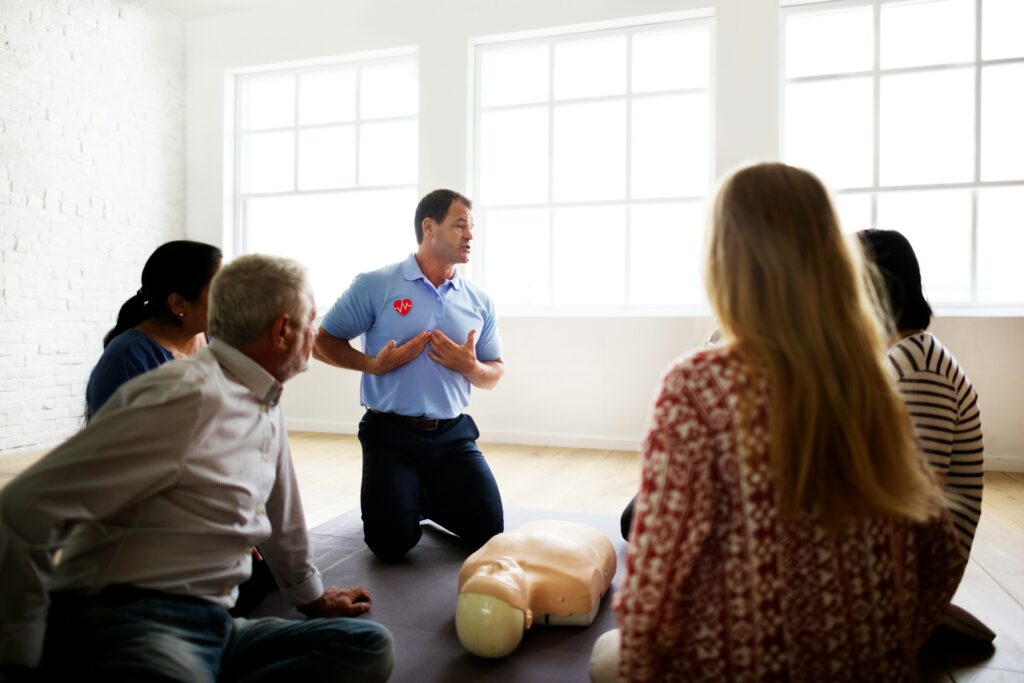
What School Staff Really Learn in CPR Training
CPR classes for school staff in Raleigh focus on one simple goal: help adults stay calm and act fast when a student or coworker suddenly needs help. Teachers, coaches, bus drivers, office staff, and administrators are often the first people on the scene. Their actions in the first few minutes can make a big difference while emergency medical services are on the way.
These classes follow current American Heart Association (AHA) guidelines and are built to be very hands-on. We practice on manikins, work with training AEDs, and walk through situations that actually happen on school grounds. In this article, we will walk through the main CPR skills, how AED and first aid lessons fit school needs, what certifications staff earn, and how to pick the right course provider for your campus.
Core CPR Skills Every Raleigh School Employee Practices
Every CPR class for school staff starts with the basics, then builds into full practice scenarios. By the end, staff should feel ready to jump in instead of freeze.
Key adult and child CPR skills include:
- Spotting sudden cardiac arrest and calling for help
- Checking if a person responds and if they are breathing normally
- Starting strong chest compressions at the right rate and depth
- Staying on the chest compressions with minimal breaks while help is coming
We also teach rescue breaths and simple airway skills. Staff learn how to:
- Open the airway using basic head tilt and chin lift
- Give rescue breaths that make the chest rise
- Use a barrier device when available
- Knowing when hands-only CPR is a better option, like when a staff member collapses in the hallway
Team response is a big part of training. In a school emergency, no one works alone. We practice how to:
- Assign clear roles, such as caller, CPR provider, AED retriever, and crowd control
- Speak loudly and clearly so everyone knows what is happening
- Fit CPR steps into the school’s emergency action plan
These team drills help staff see how teachers, front office workers, and coaches can support each other in a real event.
How AED Training Fits School Safety Needs
AED training is always taught along with CPR, not as a separate topic. Staff learn that an AED is safe, simple, and meant to be used by everyday people.
Core AED skills include:
- Turning the device on and following its voice prompts
- Placing the pads correctly on adults, teens, and younger students
- Making sure no one is touching the person before the shock is delivered
- Resuming CPR right after the shock when instructed
Because this training is for schools, we talk about where AEDs are usually kept in Raleigh buildings, such as the gym, main office, clinic, or near the cafeteria. Staff are encouraged to walk their own campus and learn:
- The closest AED to their usual classroom or work area
- Who is assigned to grab the AED in different parts of the building
- How to clear a path so the device and EMS can get through quickly
We also raise awareness about AED upkeep. While maintenance is usually handled by school leadership, training helps staff know how to:
- Notice low battery or pad alerts
- Report issues right away
- Support regular checks so AEDs stay ready
First Aid Topics Most Relevant to School Campuses
CPR gets the spotlight, but first aid is just as important in a school setting. Kids and staff can get hurt or sick anywhere on campus.
Common school injuries covered in AHA-based first aid classes include:
- Cuts, scrapes, and nosebleeds
- Sprains, strains, and suspected simple fractures
- Minor burns and bumps to the head
- Playground and sports injuries
We also spend time on serious medical problems that may not look dramatic at first. Staff learn how to recognize:
- Trouble breathing, such as asthma flare-ups
- Severe allergic reactions and anaphylaxis
- Diabetic emergencies and low blood sugar
- Seizures and when they become an emergency
These topics connect directly to typical school health policies. In class, we explain how AHA first aid skills support your rules for epinephrine auto-injectors, inhalers, and other emergency medicines. We also stress the importance of:
- Following school rules on who can give what
- Documenting what happened and what care was provided
- Notifying parents or guardians through the proper channels
Even though our training locations, such as Uniondale and Troy, serve other communities, the same core first aid content applies to Raleigh schools.
What Makes CPR Classes for School Staff in Raleigh Unique
What sets school-focused CPR training apart is how we build the practice around real situations staff might face. Instead of general examples, we use drills like:
- A student collapsing during gym class or sports practice
- A choking emergency in the cafeteria or classroom snack time
- A staff member collapsing in a staff meeting
- A playground fall with possible head or neck injury
Training is also aligned with North Carolina school and district expectations for CPR and first aid. This helps administrators keep their safety plans and staff certifications up to date.
We design sessions that include everyone who works with students, not just classroom teachers. That can include:
- Coaches and after-school activity leaders
- Bus drivers and transportation staff
- Office and front desk staff
- Child care workers and support staff
Many schools prefer on-site group classes, similar to how our Santa Barbara training site hosts community-focused courses. This format allows teams to train together, ask questions specific to their campus, and practice in spaces that feel familiar.
Certification Details and AHA Standards Explained
For most school staff, the most common AHA course types are Heartsaver CPR AED and Heartsaver First Aid, or a combined class that covers both. These certifications are designed for people with little or no medical background and focus on real-world actions instead of technical language. For school nurses and other healthcare professionals, AHA Basic Life Support (BLS) may be more appropriate, since it includes extra skills used in clinical settings.
AHA certification cards are valid for a set period, and renewal is needed to keep skills current. Over time, steps can be forgotten or guidelines can be updated, so refresher classes help staff stay sharp and confident.
On class day, participants can expect:
- A short orientation and overview of the plan
- Lots of hands-on practice with CPR manikins and AED trainers
- Simple, direct teaching that fits all learning styles
- A skills check, and in some cases a short written check, to confirm understanding
When the course is successfully completed, same-day AHA certification cards are issued, which helps schools keep clear records for their safety and training files.
Protect Your Students With Confident, Certified Responders
Give your staff the skills to act quickly and effectively when every second counts. Our CPR classes for school staff in Raleigh are designed around real school-day emergencies so your team feels prepared, not intimidated. At CPR, AED, and First Aid Certifications, we work with your schedule and training needs to make certification straightforward and stress-free. Have questions about group options or scheduling? Just contact us so we can help you plan the right course for your school.