Santa Barbara CPR Training: Free/Low-Cost Classes, Types, and Credentials
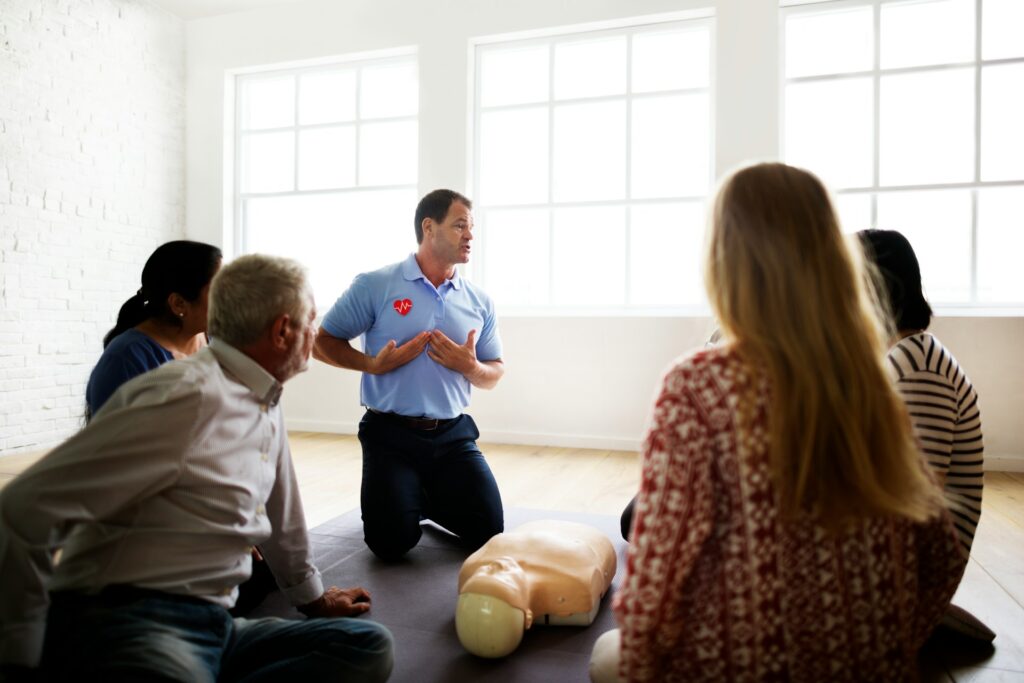
Why Community CPR Skills Matter in Santa Barbara
Cardiac arrest can happen at home, at work, or in any public space. When a heart stops beating normally, blood flow to the brain and organs also stops. CPR, or cardiopulmonary resuscitation, helps keep blood moving until emergency medical help arrives. Rapid action from a nearby person often makes a real difference.
When more people have community CPR training in Santa Barbara, there are more helpers ready to act. A trained coworker in an office, a parent at a school event, or a member at a local gym can start CPR while someone else calls 911. These simple steps can give a person in cardiac arrest a better chance to survive.
The American Heart Association (AHA) sets widely followed guidelines for high-quality CPR. AHA-aligned classes teach the skills and steps that match these current standards. This helps make sure people in Santa Barbara learn CPR the same way first responders expect to see it done.
Free and Low-Cost CPR Options in Santa Barbara
Many people want CPR skills but are unsure where to start. Around Santa Barbara, free or low-cost options often appear through local groups and programs. Common places to check include:
- Community centers and recreation programs
- Hospitals and healthcare education departments
- Faith-based groups and neighborhood organizations
- Schools, colleges, and parent groups
- Local nonprofits focused on health or safety
Some sessions are full classes that follow AHA guidelines and lead to a completion card. These may cover hands-on practice with manikins, use of an AED, and skills for different age groups. Other events are short awareness presentations or demos. Those may show the basics of chest compressions and how an AED works but do not provide full practice time or formal certification.
When you want affordable CPR training, it helps to:
- Check city and county event calendars for safety days or health fairs
- Look at hospital class schedules or patient education pages
- Read bulletin boards at community centers, libraries, or schools
- Ask about group training for workplaces, teams, or clubs
- Ask if scholarships, discounts, or community sponsorships are available
If you are looking for AHA-aligned options in the area, you can review course details for community classes through providers like Santa Barbara CPR training.
What You Learn in Hands-Only CPR Classes
Hands-Only CPR focuses on strong, steady chest compressions without rescue breaths. This style is usually taught for adult sudden cardiac arrest in public settings, when a rescuer may not feel comfortable giving breaths or does not have a barrier device. The goal is to keep blood moving until medical help arrives.
In a basic hands-only course, you typically learn how to:
- Recognize sudden cardiac arrest and check responsiveness
- Call 911 quickly and put the phone on speaker
- Place your hands in the right spot on the chest
- Push hard and fast in the center of the chest at the right rate
- Switch rescuers when someone gets tired so compressions stay strong
Hands-Only CPR is a good fit for many community members. It works well for workplace groups, fitness staff, teen programs, and volunteers who want simple, focused skills. However, it may not be enough in all settings. For example, infants and many children often need both compressions and breaths. People who care for babies or work in higher-risk settings usually need more complete CPR training.
Full CPR and AED Courses Versus Hands-Only Training
Full CPR and AED courses cover more than just compressions for adults. These classes usually prepare you to respond to different ages and situations. While details depend on the specific course level, a full CPR/AED class often includes:
- Adult, child, and infant CPR skills
- Rescue breaths and how to use a barrier mask
- Choking relief for adults, children, and infants
- How to safely use an AED step by step
An AED, or automated external defibrillator, is a small device that can give an electric shock to a heart with a deadly rhythm. AEDs are made for everyday people to use. Once turned on, the device gives clear voice prompts that tell you where to place the pads and when to stand clear. AHA-aligned CPR/AED classes give you practice with a training AED so you can follow these steps with more confidence.
Hands-only training focuses on quick action and simple skills, but it does not usually include breaths, AED practice, or infant care. Full CPR/AED training is usually a better fit for:
- Parents, grandparents, and babysitters
- Coaches and youth leaders
- Childcare providers and teachers
- Lifeguards and fitness staff
- Workplace safety teams and supervisors
Healthcare workers typically need an even higher level class called BLS, or Basic Life Support. For that type of course, some learners choose to travel to other training locations such as Uniondale BLS programs or Troy BLS options when convenient.
Verifying CPR Instructor and Course Credentials
Not every CPR class is the same, so it is smart to check that a course meets current AHA standards before you sign up. This is especially important if you need CPR for work or for a license.
Here are key things to confirm:
- The course description clearly states that it follows AHA guidelines
- The instructor can show an AHA instructor card or AHA instructor ID
- The class is linked to an authorized training center, not just a private tutor
- You will receive a recognized completion card or e-card at the end
If you are unsure, you can ask the instructor or training center which exact AHA course they are teaching. For example, there are differences between community CPR, CPR/AED for workplace settings, and healthcare-level BLS. The name on the card should match what your employer or licensing board requires.
It is also helpful to check how long the card will be valid and when you must renew. Some jobs want proof that your CPR is current and that you keep your skills up to date through regular refresher training.
Take the Next Step Toward Being CPR Ready
The right class for you depends on where you spend your time and who you care for. Hands-only CPR is often enough if you want basic skills to help adults at work, at the gym, or in public places. Full CPR/AED training is usually better if you live with children, work with groups, or have safety duties as part of your role. Healthcare professionals typically need BLS-level training that matches clinical expectations.
Whatever path you choose, learning AHA-aligned CPR tools can help you feel more prepared. When more people in Santa Barbara are trained and ready, our whole community is stronger and safer during cardiac emergencies.
Protect Your Community With Life-Saving CPR Skills
If you are ready to gain practical skills that can save a life, we invite you to explore our community CPR training in Santa Barbara. At CPR, AED, and First Aid Certifications, we offer flexible class options so your family, workplace, or organization can get certified with confidence. Our team is here to help you choose the right course and schedule for your needs, or answer any questions you may have. To get personal assistance or group pricing details, please contact us.