Planning Community CPR Training in Santa Barbara for Real Impact
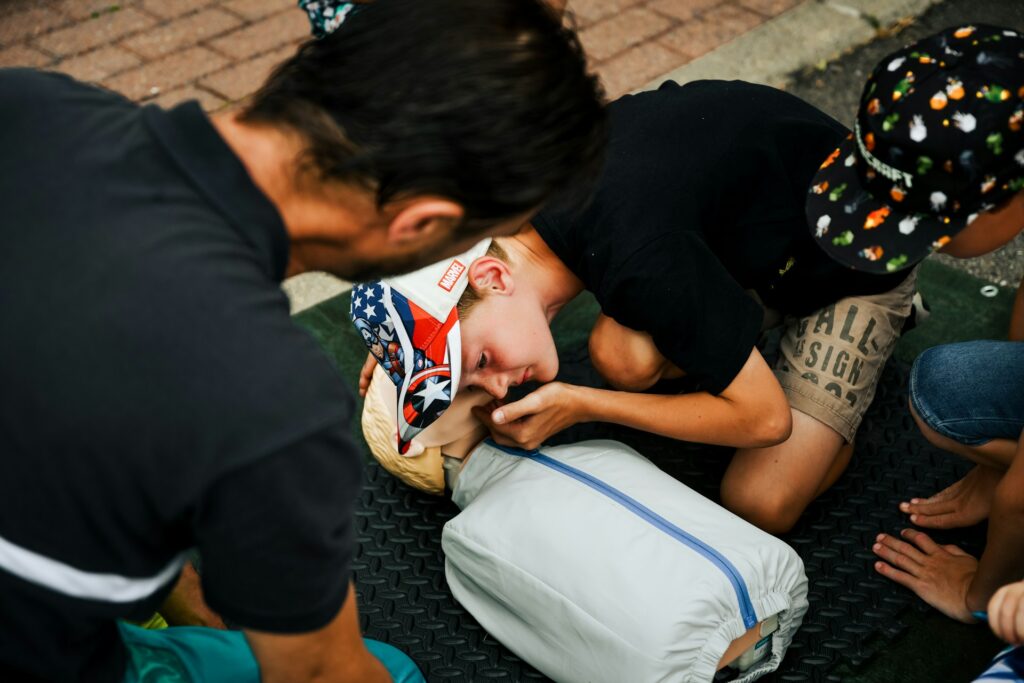
Build a Safer Santa Barbara with CPR Skills
Quick action in a cardiac emergency can be the difference between life and death. At a workplace, school, gym, or community event, it is often a nearby bystander who has the first chance to help. When that person knows CPR and how to use an AED, they can keep blood flowing until EMS arrives.
Planning community CPR training in Santa Barbara turns everyday neighbors into calm, capable responders. With clear planning, the right courses, and a trusted American Heart Association training partner, you can create a network of people who know what to do when seconds count.
Clarify Your Community’s CPR Training Goals
Before you set dates or pick a location, it helps to know exactly who you want to train and why. Different groups need different levels of skills, so clear goals keep your plan focused and effective.
Start by listing the people in your circle who would most benefit from CPR and AED training, such as:
- Parents and caregivers
- Teachers, school staff, and childcare providers
- Coaches and youth sports volunteers
- Fitness and recreation staff
- Hospitality and customer service workers
- Healthcare professionals who need AHA BLS
Next, think about what you want these classes to achieve. Common goals for community CPR training in Santa Barbara include:
- Meeting job or OSHA requirements for certain roles
- Preparing volunteers for large public events or programs
- Increasing the number of trained responders in specific buildings
- Creating a shared skill set across several sites or teams
Once you know the people and the purpose, you can match them with the right course levels. For most of the general public, American Heart Association Heartsaver CPR/AED and First Aid is a strong fit. These courses focus on hands-on skills, simple steps, and real-world practice.
Healthcare workers and clinical students often need Basic Life Support, or BLS. AHA BLS is designed for people working in medical settings, so the skills and scenarios are more advanced and detailed. If you have groups in both categories, you might plan a mix of Heartsaver and BLS days so everyone gets training that truly fits their role.
Choose the Right AHA CPR Partner in Santa Barbara
Once your goals are clear, the next step is choosing a training partner. Using an American Heart Association-based curriculum matters because it gives your group:
- Guidelines built on current science
- Widely recognized certification cards
- Consistent skills across workplaces, schools, and facilities
When you look for a CPR provider, pay attention to how they teach, not just what they teach. A strong training partner will offer:
- Experienced instructors who keep class active and respectful
- Realistic manikins and AED trainers that allow full, hands-on practice
- Scenarios that feel like real emergencies you might see in daily life
- Same-day AHA certification cards so learners leave class ready to use their skills
Working with a local provider can also make planning smoother. A team that already serves Santa Barbara organizations understands typical schedules, building layouts, and what different employers need for compliance. You can see how this works at our Santa Barbara CPR training location, where we focus on meeting the needs of both healthcare teams and the broader community.
Plan Logistics for High-Impact Community Classes
Strong logistics make the difference between an average class and a confident, well-prepared group. Start with the physical space. Good CPR training rooms usually have:
- Enough open floor area for several manikins
- Space for learners to kneel, move, and rotate through skills stations
- Easy access, clear directions, and simple parking or transit options
Schools, community centers, and workplaces around Santa Barbara often work well. Choose locations that are familiar to your group so people feel comfortable walking in and getting started.
Scheduling is another key piece. To help more people attend, consider:
- Evening or weekend classes for parents and working adults
- Weekday options for staff who are already on-site
- Recurring dates so new hires or volunteers can join later sessions
- Staggered classes for large organizations that need everyone trained over time
Clear communication keeps things running smoothly. Before each class, send a simple message that explains:
- Start and end times
- What to wear for floor practice
- Any building entry or parking details
- What type of certification they will earn
When learners know what to expect, they arrive more relaxed and ready to practice.
If you support groups in other areas as well, you can use a similar planning process with locations like our training sites in Uniondale and Troy. The same simple logistics steps work across many communities.
Maximize Participation and Real-World Readiness
Once the basics are in place, you can focus on getting people in the door and helping them keep their skills fresh.
To encourage strong turnout for community CPR training in Santa Barbara, try sharing information through:
- Neighborhood associations and community boards
- Youth sports leagues and after-school programs
- Faith communities and service clubs
- Local gyms, studios, and wellness centers
- Apartment and condo property managers
You can also think in terms of CPR-ready zones. These are places where several people on-site have current AHA certifications and know where the AED is located. Good candidates include:
- School campuses and childcare centers
- Fitness centers and recreation facilities
- Office buildings and shared workspaces
- Event venues and community halls
After class, skills will fade over time without practice. To keep confidence high, plan for:
- Short refreshers or update sessions before busy seasons or major events
- Quick skills checks that let people practice chest compressions and AED steps
- Simple scenario drills that match what your group is most likely to see
When people get regular, low-pressure practice backed by American Heart Association guidance, they are more likely to remember the steps under stress and feel ready to act.
Take the Next Step Toward a CPR-Ready Community
Planning community CPR training in Santa Barbara is about more than checking a box. It is about building a culture where stepping in to help feels normal and expected. By setting clear goals, choosing AHA course levels that match your groups, and partnering with experienced instructors, you create a strong base for real impact.
As you look at your workplace, school, or neighborhood, notice where CPR and AED skills are missing, and where AEDs are already in place but few people know how to use them. Those gaps show you exactly where your next round of training can do the most good. Every class you plan adds more prepared hands and calmer minds when an emergency happens, and together, that can make Santa Barbara a truly CPR-ready community.
Protect Your Santa Barbara Community With Lifesaving Skills
If you are ready to feel confident responding in an emergency, we are here to help you take the next step. Explore our community CPR training in Santa Barbara options to find the class that fits your schedule and comfort level. At CPR, AED, and First Aid Certifications, we focus on practical, hands-on training that prepares you to act quickly when every second counts. If you have questions or need help choosing the right course, please contact us so we can guide you.