CPR Training Triggers for Baltimore Teams: Events, Worksites, and AED Planning
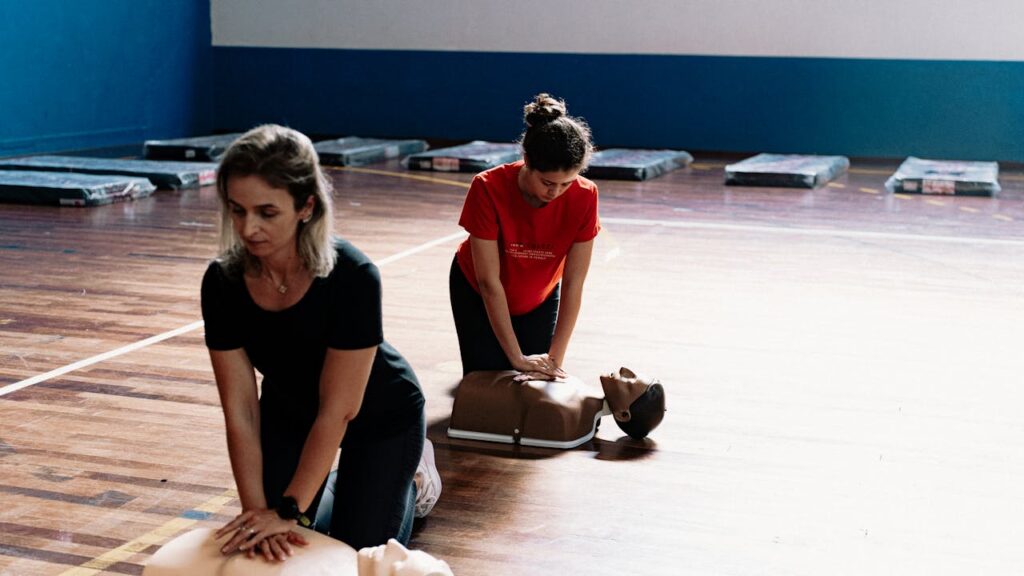
Why Baltimore Teams Need Clear CPR Training Triggers
CPR decisions are easy to delay until something scary happens on site. For non-medical teams in Baltimore, that delay can cost time when every second matters. Property managers, gyms, schools, childcare programs, security teams, corporate offices, and hospitality venues all face sudden medical emergencies, even if they do not think of themselves as healthcare settings.
Setting clear “triggers” for CPR, AED, and First Aid training helps your team act before the next emergency, not after it. Instead of waiting for a cardiac arrest or serious incident, you can tie CPR certification in Baltimore to events you already plan for, like big crowds, new programs, staffing changes, or new AED placements. The American Heart Association teaches that early recognition, rapid CPR, and early defibrillation give people the best chance in a cardiac emergency. Keeping your team on a structured training cycle supports that chain of response so you are not relying on guesswork when something goes wrong.
Event-Driven Triggers for CPR Training
One of the easiest ways to stay ready is to tie CPR training to events that are already on your calendar. Anytime your organization is planning more people in the same space, your risk goes up, even if everything usually runs smoothly.
Community and workplace events that make great training triggers include:
- Local festivals and community celebrations
- School functions and sports leagues
- Conferences, expos, or large meetings
- Workplace wellness events or fitness challenges
When attendance jumps, it helps to have designated responders with current AHA-aligned CPR and AED skills at every shift and location. Many organizations add CPR certification in Baltimore to their event planning checklist. That way, they secure training dates early and avoid last-minute scrambling a week before a big crowd arrives.
Staff changes are another strong trigger. Any time you bring in new people for roles like:
- Coaches and after-school leaders
- Front-desk and membership teams
- Building attendants and maintenance staff
- Security and guest services
those employees are often the first ones called when something happens on site. Making CPR, AED, and First Aid part of your standard onboarding keeps expectations clear. When existing staff move into higher responsibility roles, especially supervising youth, older adults, or high traffic spaces, automatic enrollment in the next class helps keep coverage consistent and documented across departments.
Finally, any medical incident or near-miss on your property should trigger a response review. A fainting episode, breathing issue, or suspected cardiac problem is your chance to ask:
- Did staff know who should respond first?
- Was there confusion about CPR steps or AED use?
- Did anyone hesitate because they felt unprepared?
Scheduling AHA-based refreshers and scenario practice quickly after an incident strengthens learning while the memory is fresh. It also reassures the whole team, not just those directly involved, that you are serious about improving your response.
High-Risk Baltimore Worksites That Need CPR Skills
Some locations carry higher chances of sudden emergencies simply because of the type of work or who is present. For these spaces, CPR should not depend only on card expiration dates.
Worksites with more physical strain or injury risk include:
- Warehouses and storage facilities
- Construction adjacent or renovation spaces
- Gyms and training studios
- Industrial kitchens and food production areas
- Manufacturing or equipment-heavy shops
Heavy lifting, sharp tools, heat, and slippery surfaces increase the chance of falls, head injuries, and sudden cardiac events. For these sites, setting a fixed training interval, such as tying CPR and AED classes to your regular safety audits, keeps skills fresh. The AHA stresses early recognition of cardiac arrest and rapid AED use as key parts of survival. In physically demanding environments, that early action can make a big difference.
Other high-priority settings are those serving youth, older adults, or medically fragile groups. Childcare centers, schools, adult day programs, and residential communities may see breathing problems, choking, or heart issues more often or in more complex forms. Leaders in these spaces can treat moments like licensing inspections, program expansions, or new contract approvals as automatic CPR training triggers. Cross-training broad groups of staff instead of only one or two people per site helps you keep coverage strong across all shifts, weekends, and satellite locations.
Multi-tenant and public access buildings in Baltimore also have special needs. Office towers, shopping centers, event halls, and buildings near busy transit points see a constant stream of visitors and staff. Property managers and security teams can link CPR and AED training to any update in emergency plans, new access control systems, or major tenant changes. When management, contract security, and tenant organizations follow one clear training standard, the response feels unified instead of chaotic.
Using AED Placement Plans to Drive Training
AEDs are most helpful when people nearby are ready and willing to use them. An AED placement plan is not just about where the device hangs on the wall. It should include who is trained and how often.
Any time your facility completes an AED assessment, it is smart to turn that work into a CPR action plan. For each AED, identify several team members per shift who will complete AHA-aligned CPR and AED training. Mapping responders to specific devices helps you avoid the common problem of having AEDs on site that no one feels confident using.
Key AED-related changes that should trigger training or refreshers include:
- Installing the first AED in a building
- Adding units for new wings or extra floors
- Replacing older models or changing brands
- Updating pads, batteries, or safety checks
- Revising signage or storage locations
Each change is a chance to walk through device operation, pad placement, safety steps, and who calls emergency services. Pairing orientation to the device with CPR instruction makes practice more realistic. Staff get to rehearse the full response, from starting compressions to sending a runner for the AED, instead of learning skills in isolation.
Short AED drills can also fit into routine operations. Some teams link them to:
- Fire drills and evacuation practice
- Monthly safety meetings
- Shift briefings or staff huddles
Keeping simple attendance records and dates lets managers see at a glance when people are due for a refresher and where gaps may appear across shifts.
Practical Timing Strategies for CPR Certification in Baltimore
Once your triggers are clear, the next step is building a predictable training calendar. Many organizations pick set months each year for CPR and AED classes and then line those up with internal milestones such as budget planning, staff retreats, or policy reviews. This rhythm lowers the chance of lapsed cards and makes it easier to plan with a local training provider.
For organizations with multiple locations, franchises, or school networks, a shared standard is helpful. You might:
- Set one policy for which roles must be trained
- Keep one central roster that tracks certification by site and shift
- Stagger sessions so each site keeps coverage during class times
Central tracking means you can spot gaps before audits, inspections, or major public events. It also supports consistent CPR certification in Baltimore across your whole organization, not just at your main office.
Another piece is timing refreshers before skills fade. Many people feel their confidence drop long before their card expires. Signs that your team may need an extra refresher, include:
- Staff mixing up steps during drills
- Repeated questions about AED use or safety
- Noticeable hesitation when talking through an emergency plan
Focused, scenario-based refreshers that match your real environment, such as a gym floor, lobby, classroom, or loading dock, help staff lock in the AHA recommended sequence in a way that feels practical and repeatable.
Turning CPR Triggers Into a Readiness Plan
When you put all of this together, it becomes a simple checklist. Event-driven dates, high-risk worksites, staffing changes, and AED updates all tell you when it is time to schedule CPR, AED, and First Aid courses. Non-medical teams in Baltimore do not need to guess. They can follow their own clear rules.
At CPR, AED, and First Aid Certifications, we provide in-person American Heart Association CPR, AED, First Aid, and BLS training with same-day certification for healthcare professionals and community teams. By reviewing your upcoming events, your staffing plans, and where your AEDs are placed, you can set specific training dates that keep your organization ready to act the moment someone needs help.
Protect Your Community With Lifesaving Skills Today
If you are ready to feel confident in an emergency, we make it simple to get your CPR certification in Baltimore on a date and time that works for you. At CPR, AED, and First Aid Certifications, our experienced instructors focus on real-world practice so you leave class prepared to act when seconds matter. Reserve your spot now, or contact us with any questions about group training or scheduling options.