Strategic Guide to BLS Certification in Grand Rapids for New Clinicians
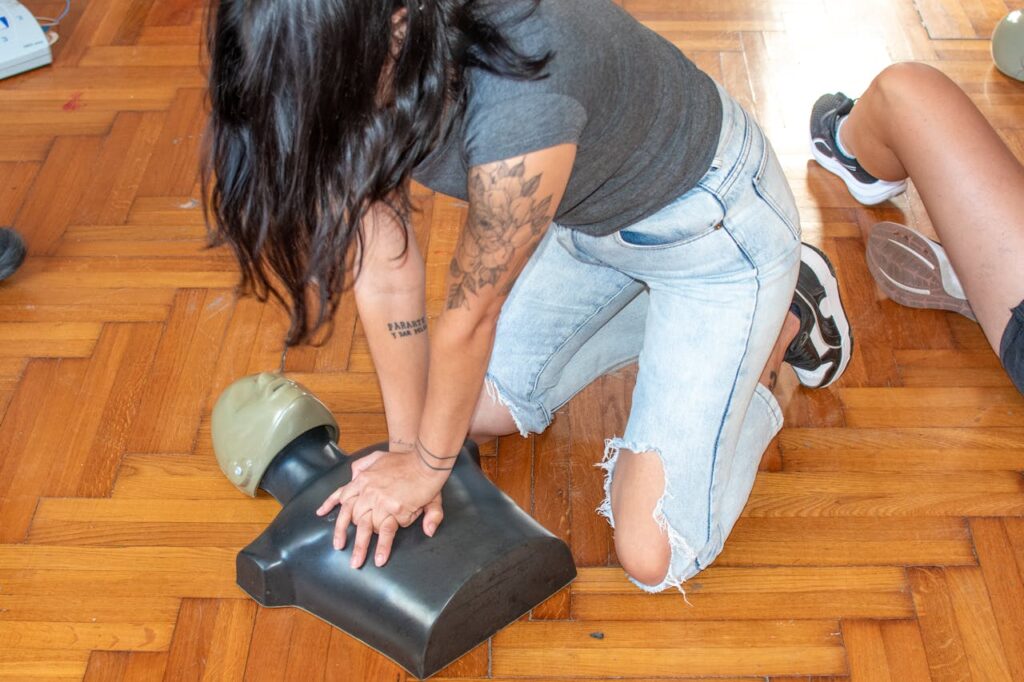
Launch Your Healthcare Career with Confident BLS Skills
Basic Life Support, or BLS, is one of the first real clinical skills that new healthcare workers in Grand Rapids are expected to know well. If you are starting out as a nurse, medical assistant, tech, therapist, or dental team member, an up-to-date BLS card is usually non‑negotiable. Managers need to know you can step in during an emergency, not freeze or guess.
Solid BLS skills do more than check a box on your onboarding packet. They support better patient outcomes because you know how to give effective compressions, use an AED, and work with a team during a code. Strong BLS training also makes you more employable and trusted. Many local employers specifically ask for an American Heart Association BLS Provider card, since the AHA is widely seen as the standard.
In this guide, we will walk through what BLS actually covers, how requirements tend to look around Grand Rapids, how to choose the right class, and how to time your certification around graduation or a new job. We will also talk about how to get the most value from your BLS class so you feel confident, not overwhelmed, when the pressure is on.
Understanding BLS Requirements for Grand Rapids Clinicians
BLS certification shows that you can recognize life-threatening emergencies and respond with high‑quality CPR and basic skills as part of a healthcare team. A typical American Heart Association BLS Provider course covers:
- Adult, child, and infant CPR
- Use of an AED and how to apply pads correctly
- How to respond to choking for all age groups
- Working in a team during a code, including clear communication
- Basic use of barrier devices for breaths
Around Grand Rapids, BLS is commonly required in many settings, such as:
- Hospitals and health systems
- Outpatient clinics and urgent care centers
- Dental offices and oral surgery practices
- Ambulatory surgery centers
- Rehab and long‑term care facilities
In most of these places, anyone with hands-on clinical duties is expected to hold BLS. That usually includes nurses, nursing students in clinicals, medical and dental assistants, techs, therapists, and support staff who respond to emergencies. Staff who do not touch patients might only need standard CPR or First Aid, if anything at all.
BLS cards need to be renewed regularly, often every two years. If your card expires, some employers will not let you work on the floor until you are current again. Letting it lapse can slow down hiring, delay orientation, or cause stress during license renewal. Staying current is part of safe practice, but it also keeps HR and credentialing simple for you.
Choosing the Right BLS Certification in Grand Rapids, MI
When you look for BLS certification in Grand Rapids, MI, you will see different formats. The main options are:
- In‑person AHA BLS classes, where all learning and skills are done in class
- Blended learning, where you complete AHA online coursework, then come in for a skills check and testing
- Fully online BLS, which usually does not meet employer standards for clinical roles
Most hospitals and clinics want an AHA BLS Provider card that includes hands-on skills. It is important to read job postings and school requirements carefully and check that your class matches what they ask for.
To choose a training provider in Grand Rapids:
- Clear alignment with American Heart Association BLS courses
- Instructors who have real clinical or emergency care experience
- Small enough class sizes for plenty of practice time
- Good access to adult, child, and infant manikins and AED trainers
- Positive feedback from other healthcare students and staff
Local, in‑person AHA courses are helpful because they often offer same‑day certification cards, flexible schedules, and locations close to major hospitals, colleges, and technical programs. Late spring is a common time for graduations, licensing exams, and new‑grad hiring, so many people try to secure or renew BLS around then. Planning ahead keeps you from scrambling right before orientation.
Mapping BLS Training to Your Career Path
The way you use BLS skills depends a lot on your role. New clinicians in Grand Rapids may see:
- Code blues on inpatient units, where fast, organized CPR matters
- Sudden collapse in outpatient clinics or waiting rooms
- A patient losing consciousness in a dental chair
- Residents in long‑term care who stop breathing or have cardiac arrest
For students in nursing, PA, medical assisting, respiratory therapy, or EMT programs, it usually works best to get BLS before you start clinical rotations or externships. Schools often list BLS as a requirement for entering the clinical phase, so check your program handbook and line up your class early.
At the start of your career, BLS alone may be enough. As your responsibilities grow, you might add:
- CPR, AED, and First Aid for non‑clinical roles you support
- ACLS for advanced adult cardiac care, often needed for higher‑acuity hospital roles
- PALS for those who work with pediatric emergencies
Many new clinicians worry about freezing in a code, pressing at the wrong depth, or losing count under stress. Repetition in AHA classes, with clear feedback from instructors and lots of practice time, can help replace that anxiety with muscle memory. The more realistic practice you get, the more your body knows what to do when your mind feels stressed.
Maximizing Value From Your BLS Class Experience
You will get more from BLS training if you do a bit of prep ahead of time. Before class, try to:
- Skim any AHA pre‑course materials or student manuals
- Watch short CPR and AED demo videos approved by AHA
- Review basic heart and lung anatomy from your school notes
During class, focus on using hands-on time well. Do not be shy about asking for extra practice or feedback. It helps to:
- Ask instructors to walk through realistic scenarios that match your future job
- Practice in different roles, both as compressor and as the one using the AED
- Pay close attention to rate, depth, and full chest recoil during compressions
- Speak out loud during team drills so you get used to clear commands
Once you earn your BLS card, it becomes part of your professional profile. You can list it on your resume, job applications, and professional networking profiles, usually under “Certifications.” Make sure HR or your clinical coordinator has a copy during hiring and onboarding.
Between renewal dates, your skills can fade if you never practice. To keep them fresh, try:
- Short practice sessions with peers on manikins when your school or unit allows
- Simulation labs or mock codes if your workplace or program offers them
- Reviewing quick‑reference cards or updated AHA guidance from time to time
Take Smart Next Steps Toward BLS Certification Success
At CPR, AED, and First Aid Certifications, we see how much easier the start of a healthcare career feels when BLS is already handled. It helps to pause and take stock of where you are: Are you a student about to enter clinicals, a new hire with an upcoming start date, or a current staff member whose card is close to expiring? Clarifying your timeline and your employer’s expectations keeps you from getting stuck at the last minute.
A simple checklist can keep you organized:
- Confirm exactly what type of BLS card your school or employer requires
- Decide which format you prefer, full in‑person class or blended learning with an in‑person skills check
- Pick a course date that happens before clinicals, orientation, or a known expiration date
- Gather any pre‑course study materials so you feel ready instead of rushed
- Set a reminder for renewal about two months before your card expires
Investing in strong BLS skills is about more than passing a test. It sets the tone for the kind of clinician you want to be: prepared, steady, and ready to help when every second counts. As a local provider of in‑person American Heart Association training in Grand Rapids, we are here to support that first step into confident, lifesaving practice.
Protect Your Community With Life-Saving Skills Today
If you are ready to build the confidence to act in an emergency, we are here to help you get started. Explore our BLS certification in Grand Rapids, MI to find the date and location that fits your schedule. At CPR, AED, and First Aid Certifications, we keep our classes practical, up-to-date, and aligned with current AHA guidelines. If you have questions about group training or custom scheduling, please contact us so we can help you choose the right course.