Decoding BLS Certification in King of Prussia for New Healthcare Hires
Why BLS Certification Matters for New Hires
Basic Life Support, or BLS, is one of the first credentials most new healthcare hires need before they step onto a unit. Hospitals, clinics, and long-term care facilities around King of Prussia often expect new staff to arrive already trained in American Heart Association BLS so HR can clear them quickly. Getting this done early helps you start work on time and with fewer headaches.
BLS is different from general CPR training that many people in the community take. BLS focuses on professional-level response, like working as part of a team, using an AED correctly, and caring for adults, children, and infants in clinical settings. It prepares you for what you might actually see on the floor, not just emergencies out in public.
Late spring is a busy hiring season for healthcare. Many units bring on new grads, float staff, and seasonal workers as patient volumes pick up. That makes it a smart time to secure BLS certification in King of Prussia before orientation, so you are not scrambling to meet deadlines while you are also learning a new job.
Understanding AHA BLS Certification Requirements
For many roles, BLS is not optional; it is a basic requirement. Common positions that often need American Heart Association BLS include:
- Registered nurses and licensed practical nurses
- Medical assistants and patient care techs
- Dental staff who assist with patients
- Therapists and rehab staff who see patients in person
- Students in nursing, medical, or allied health programs
Some non-clinical roles that work on patient floors may also be asked for BLS, especially if they are close to direct care. Always check with HR or your school so you know exactly what is expected.
A typical AHA BLS course covers:
- High-quality adult, child, and infant CPR
- Use of an AED and quick rhythm checks
- Rescue breathing with barrier devices
- Relief of choking in responsive and unresponsive patients
- Working as part of a resuscitation team, including clear roles and communication
Employers usually look for specific documentation, such as:
- A current AHA BLS Provider eCard
- The course completion date and instructor or training center name
- The expiration date, since most BLS cards are valid for about two years
Keeping a digital copy ready for HR, employee health, and any travel or float assignments can save you time. Many new hires keep a screenshot on their phone and a PDF saved in a personal file.
What to Expect in a King of Prussia BLS Class
If you are new to BLS, the class format is straightforward and very hands-on. Most in-person AHA BLS classes in King of Prussia include:
- A short lecture or video-based section to cover key concepts
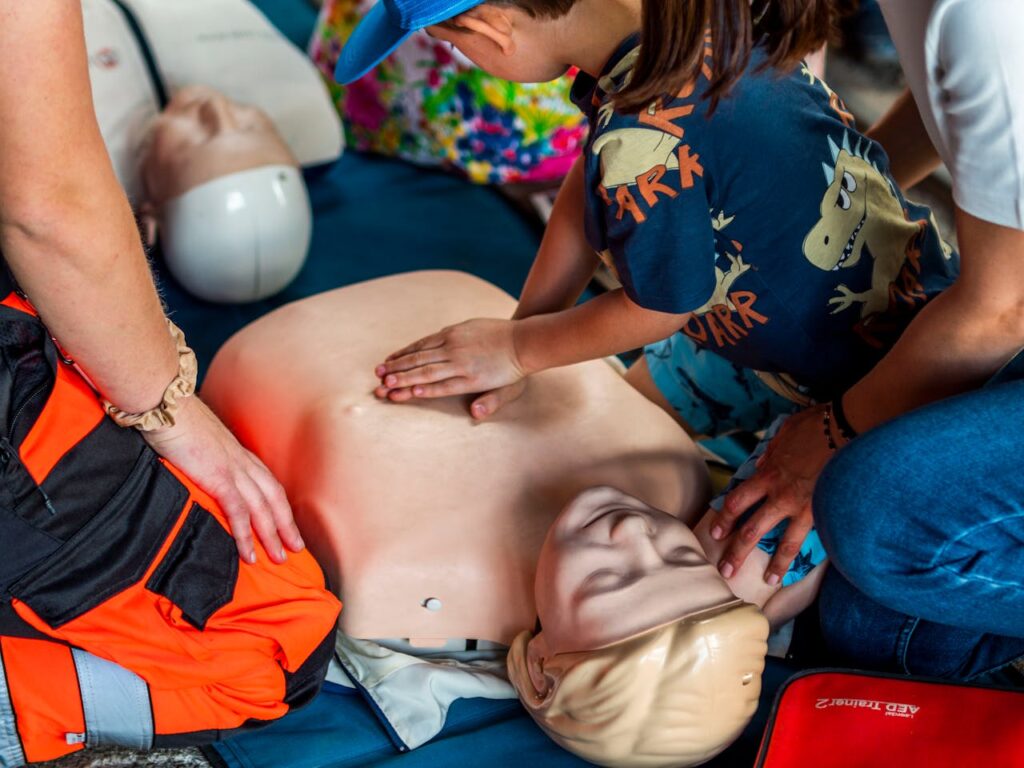
- Skills practice on manikins for adults, children, and infants
- AED practice with training devices
- Realistic team scenarios where you rotate through roles
- A written test at the end to check understanding
You can expect to spend a few hours in class, so plan your day with that in mind. Many courses are offered near major hospitals and medical offices, which makes it easier to fit training between shifts or on days off. Parking options and access to public transit are common concerns, so it helps to check details ahead of time.
For new hires juggling paperwork, health screenings, and unit orientation, timing matters. Getting into a class that offers:
- Clear start and end times
- Same-day course completion cards
- Easy enrollment and confirmation
can make the whole onboarding process smoother. When you walk into orientation with your BLS already done, you are more likely to avoid delays that could push back your first day on the unit.
Choosing the Right BLS Course Provider Locally
Not all classes feel the same, even when they follow American Heart Association guidelines. When you compare BLS certification in King of Prussia, it helps to look for:
- AHA-aligned training and current teaching materials
- Instructors who know healthcare settings and speak your language
- Plenty of hands-on practice time, not just lecture
- Small class sizes so you get personal feedback
- Clear explanations of how skills and testing will work
A dedicated training center that focuses on CPR, AED, and first aid can be a good fit for new healthcare staff. These centers are used to working with both professionals and community members, so they often understand the pressure new hires feel and the expectations of local employers.
Practical perks that matter during busy onboarding include:
- Evening and weekend sessions that do not clash with orientation
- Options for groups if a whole department or cohort needs BLS
- Support for last-minute recertifications when HR deadlines sneak up
At CPR, AED, and First Aid Certifications here in the King of Prussia area, we structure our AHA-based classes around these needs, so healthcare workers can focus on learning the skills instead of stressing about logistics.
How to Prepare and Pass Your First BLS Class
Many people walk into their first BLS course feeling nervous, especially if they have not seen a real emergency before. A little prep can build confidence quickly. Helpful ways to get ready include:
- Reviewing AHA BLS student materials if they are provided in advance
- Watching short CPR and AED skills videos from trusted sources
- Brushing up on basic anatomy like where to feel pulses and where to place hands for compressions
- Refreshing your memory on normal breathing and heart rate ranges
During the class, some strategies make both the skills checks and written test easier:
- Focus on correct compression depth and rate rather than speed alone
- Count out loud to keep rhythm and show the instructor you are staying on track
- Speak clearly with your team during scenarios, saying what you are doing and when you need help
- Pause, take a breath, and reset if you feel flustered, instead of rushing
Common worries include test anxiety, fear of “failing” in front of others, or concern about not being strong enough for compressions. AHA BLS training is built to teach you step by step. Instructors expect questions, mistakes, and practice rounds. The goal is for you to leave feeling ready to help a patient, not to trip you up or keep you off the schedule.
Taking the Next Step Toward Your First Shift
As spring schedules fill with orientations, precepted shifts, and new routines, having your BLS certification squared away early can make a big difference. When your AHA BLS is done before you start, you walk into your first day already compliant, more relaxed, and ready to focus on learning your unit.
At CPR, AED, and First Aid Certifications, we provide American Heart Association BLS training with easy enrollment and same-day certification for new hires, experienced staff, and students in King of Prussia. Getting certified now not only helps you meet employer requirements, it also gives you the skills and confidence to respond if a cardiac emergency happens on your watch, setting the tone for a strong start in your healthcare career.
Get Certified To Protect Lives In Your Community
If you are ready to build confidence in an emergency, schedule your BLS certification in King of Prussia with CPR, AED, and First Aid Certifications today. Our experienced instructors focus on hands-on skills so you leave class prepared to act quickly when every second counts. Have questions about class options, group trainings, or scheduling? Simply contact us and we will help you choose the best course for your needs.