Evaluating CPR Classes for Dental Assistants in Nashville Clinics
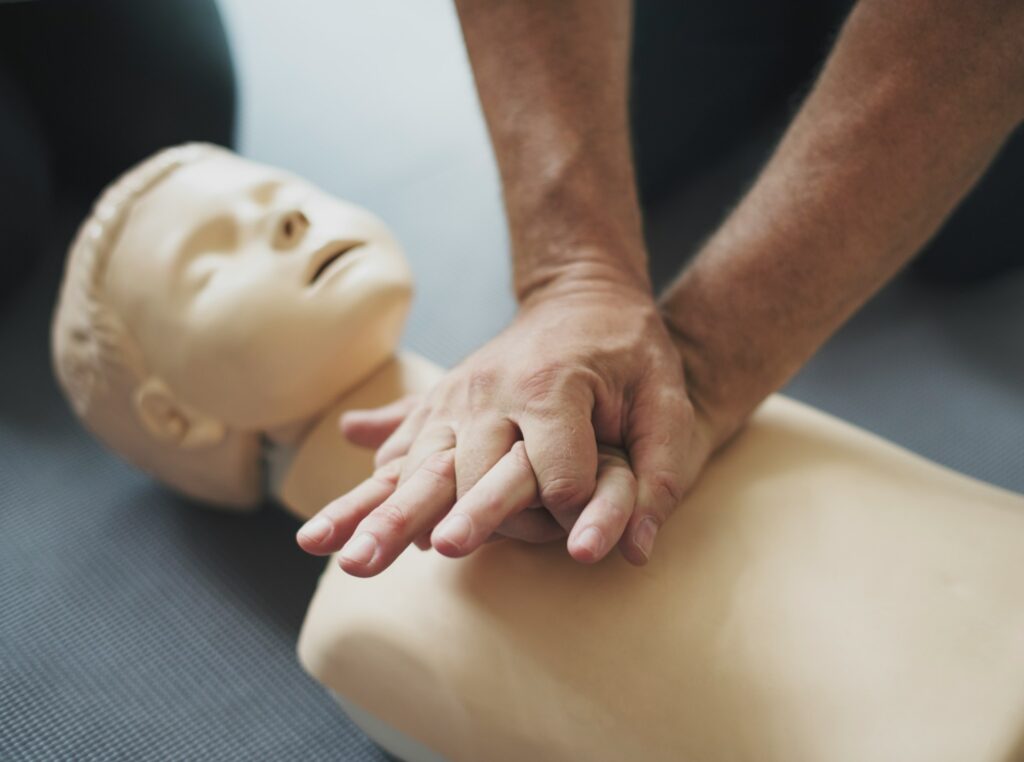
Dental assistants in Nashville handle more than instruments and charts. When something goes wrong in the chair, they are often the first ones to notice and the first ones to act. That is why strong CPR skills are a core part of safe patient care in any clinic. The right training gives dental assistants the confidence to move quickly, work as a team, and support the dentist when every second matters.
We will walk through what makes CPR classes for dental assistants in Nashville truly helpful, how to judge different course options, and which features matter most in a busy dental office. Our focus is on practical skills, real dental scenarios, and CPR courses built on American Heart Association (AHA) science.
CPR Skills That Protect Every Dental Chair
Dental appointments may feel routine, but medical emergencies can happen without warning. Dental assistants are usually closest to the patient and may be the first to notice changes in breathing, skin color, or responsiveness.
Common emergencies in dental chairs include:
- Fainting or syncope during injections or long procedures
- Allergic reactions to local anesthetics or materials
- Breathing problems related to anxiety or medical history
- Sudden cardiac arrest
In an outpatient setting, there is no in-house code team standing by. Emergency medical services still need time to arrive. That gap is where high-quality CPR can keep blood and oxygen moving and protect the brain and heart.
Choosing AHA-based CPR training helps dental assistants learn skills that match what other healthcare teams use. AHA courses focus on current science, clear steps, and proven methods for chest compressions, rescue breathing, and AED use. That makes the training more relevant when assistants are working side by side with dentists, hygienists, and medical responders.
What Nashville Dental Assistants Need From CPR Training
CPR classes for dental assistants in Nashville should speak directly to what happens in real operatories. For example, a simple fainting spell can progress into a more serious event if a patient has a hidden heart problem. Knowing how to check responsiveness, call for help, start compressions, and use an AED is part of the chain of survival.
There is a difference between a basic layperson CPR class and a healthcare-level course like AHA Basic Life Support, often called BLS. Many dental practices now expect assistants to hold BLS certification because it covers:
- Adult CPR with one- and two-rescuer techniques
- Use of a bag-mask device
- AED use in a healthcare setting
- Team roles and communication
BLS is designed for people who work in patient care. It fits better with the needs of dental assistants than general public CPR. Many clinics also want courses that are hands-on, evidence-based, and updated to current AHA guidelines so they can meet office policies and any licensing expectations.
How to Evaluate CPR Classes for Dental Assistants in Nashville
Not all CPR classes are the same. When you compare options, it helps to look past the course title and see how the training is built.
First, check that the course follows current AHA guidelines:
- An AHA BLS provider card or another card that clearly states AHA guidelines
- Recognition by common healthcare employers and boards
- A clear description of what topics and skills are covered
Some centers, like our AHA locations in other cities such as Uniondale, Troy, or Santa Barbara, follow a consistent AHA format and give same-day cards after skills are checked.
Next, decide which format fits your schedule:
- Fully in-person classes, where all learning and skills practice happen in the classroom
- Blended learning, with an online AHA module followed by a short, in-person skills check
Blended options can work well for busy assistants, since much of the content is completed on a flexible schedule before coming in for hands-on practice.
Good questions to ask any training provider include:
- How large are the classes?
- What clinical background do the instructors have?
- Do you include dental office scenarios and chairside emergencies?
- Do you send renewal reminders so cards do not expire?
- Are same-day cards available after passing?
Must-Have CPR Course Features for Dental Clinics
Dental assistants should walk out of CPR class feeling ready to help in a real emergency, not just pass a test. That means lots of practice time on the skills they will actually use.
Key hands-on skills include:
- Strong, steady chest compressions on adult manikins
- Rescue breathing with a barrier device or bag mask
- Fast and safe AED pad placement on an adult chest
- Working in a team, with clear roles and communication
AED training should reflect the layout of real operatories. Assistants need to learn how to:
- Position the patient safely in or out of the chair
- Place the AED where everyone can reach it
- Manage cords and dental equipment
- Keep interruptions in compressions as short as possible
Classes are most helpful when they use realistic case-based practice. That might include emergencies that happen:
- During numbing injections
- While taking impressions
- When patients are reclined and attached to suction or other tools
This kind of training helps build muscle memory so dental assistants can move quickly even when the situation feels stressful.
Choosing a CPR Provider That Understands Dentistry
Working with a training center that understands healthcare and dentistry makes a real difference. Instructors who know how clinics run can give more precise feedback about where to stand, how to move a patient, and how to work smoothly with the dentist.
Helpful features for Nashville dental teams include:
- Flexible class times that fit before or after office hours
- On-site training at the clinic so the team can practice in their real space
- Group enrollment so everyone learns the same steps and language
It also helps when one provider offers CPR, AED, and first aid in a single program. Dental assistants then learn how to respond not only to cardiac arrest, but also to problems like bleeding, choking, or minor injuries that can happen in a busy office. With the right training, they can support patients and coworkers while staying calm and clear-headed.
Take the Next Step Toward Safer Dental Visits
CPR cards do expire, and skills can fade if they are not used. Dental assistants and practice managers should keep track of expiration dates and build regular recertification into office planning so no one gets caught with a lapsed card when an emergency occurs.
By choosing AHA-based CPR classes for dental assistants in Nashville that focus on hands-on practice, real dental scenarios, and team communication, clinics help create a safer, more prepared setting for every visit. That kind of training supports compliance, builds patient trust, and helps every assistant feel ready to act when it matters most.
Protect Your Dental Patients With Proven Lifesaving Skills
Give your team the confidence to respond calmly and effectively in a medical emergency. Our CPR classes for dental assistants in Nashville are designed around the real situations you face every day in your practice. At CPR, AED, and First Aid Certifications, we provide flexible scheduling and practical, hands-on training that fits your office’s needs. Have questions about group options or upcoming courses? Just contact us so we can help you get your team certified.