First Aid Training for Summer Adventures: Wilderness Vs. Standard
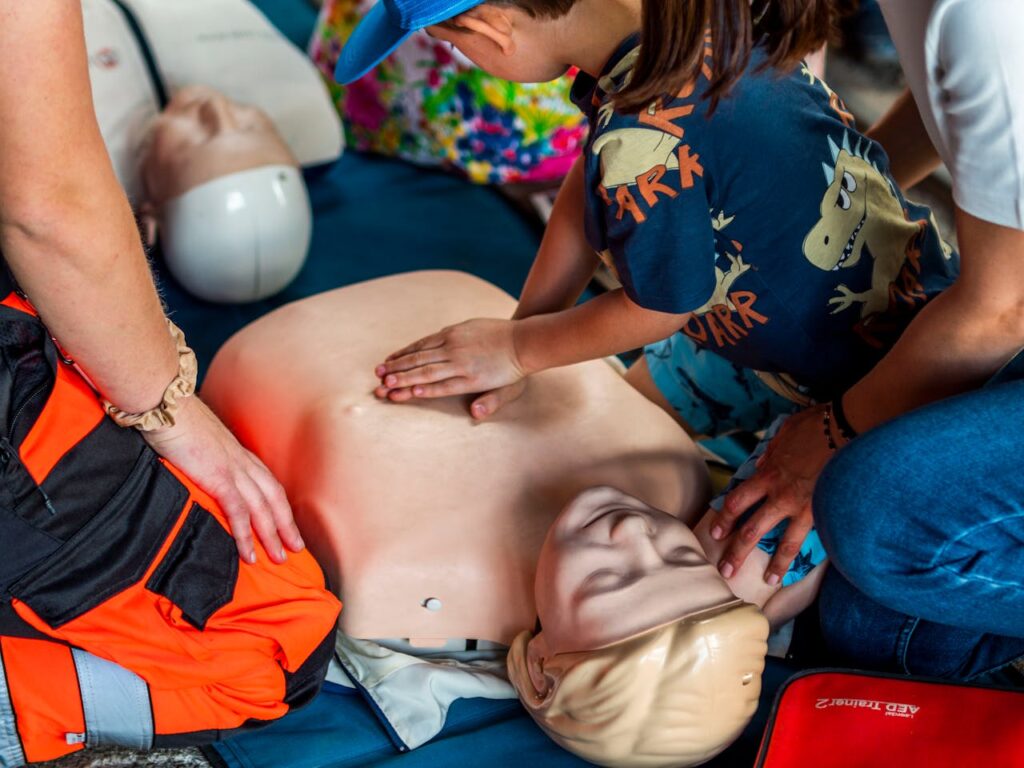
Make Your Summer Adventures Safer From Day One
Summer plans often mean more hiking trails, long boating days, and camping under the stars. Those trips are fun, but they also bring a higher chance of injury or sudden illness, sometimes far from quick medical help. The first minutes of any emergency can shape what happens next, so being prepared matters.
Not all first aid classes are the same, and not every course fits every trip. The right training depends on where you are going, how far you will be from help, who is coming with you, and what risks come with your favorite activities. Understanding the difference between standard and wilderness first aid helps you choose skills that match real situations instead of guessing.
Many organizations offer American Heart Association-approved CPR, AED, first aid, and BLS courses. These options provide training that is widely recognized, with certification cards issued promptly so you are ready to go as soon as class is done.
Understanding Your Real Summer Risk Profile
Before picking a class, it helps to think honestly about your usual trips and who you are responsible for.
Hiking often comes with sprains and strains from uneven ground, fractures from falls, heat exhaustion and dehydration, altitude problems on higher trails, insect bites and stings, and the risk of getting lost or delayed. On many trails, you may be in a cell phone dead zone or hours from EMS. That means you might need to care for someone longer, not just until an ambulance pulls up. Skills like monitoring a person over time and keeping them stable start to matter more.
Boating brings different risks, including near-drowning and breathing problems, hypothermia from being in the water, head and spine injuries from falls or sudden stops, deep cuts from gear or sharp edges, and cardiac emergencies made worse by heat and exertion.
Camping mixes daily life with outdoor hazards. Common problems include burns from campfires, grills, or stoves; allergic reactions to stings or foods; food-related illness from poor storage; animal encounters; and cuts and scrapes that can get infected if not cleaned well.
Your group type also changes your risk. A family with small kids may worry more about burns, falls, and allergic reactions. A group of older adults, especially with heart history, should plan for CPR and AED needs. Youth groups and adventure clubs often have a higher duty of care, so leaders may need deeper training.
Wilderness vs. Standard First Aid: What Actually Changes
Standard first aid focuses on quick care when help is expected fairly soon, usually within about an hour. It teaches you how to:
- Control bleeding and handle basic wound care
- Treat minor burns and simple sprains
- Recognize common medical problems like chest pain, stroke signs, or low blood sugar
- Support someone until EMS arrives
Wilderness first aid takes things further for remote settings, where help may be delayed for many hours or even overnight. In those courses, you are more likely to learn how to:
- Monitor a patient over time and spot changes
- Improvise splints and bandages with limited gear
- Decide when and how to start an evacuation
- Manage heat illness, hypothermia, and altitude issues over longer periods
For many outdoor plans, pairing first aid with CPR and AED skills is beneficial. This is especially true for boating, trips with older adults, or groups with known heart concerns. For guides, camp staff, or trip leaders, a BLS-level course can make sense, since it goes deeper into high-quality CPR and team response.
A simple way to choose:
- If you are usually within 30 to 60 minutes of EMS, standard first aid with CPR/AED often fits.
- If you spend time on remote trails, backcountry camps, or multi-day river trips, consider wilderness-focused options.
Essential Skills for Hiking, Boating, and Camping Trips
No matter where you go, some skills help almost everyone who spends time outside. Every adventurer benefits from learning how to check that a scene is safe before rushing in, call for help clearly and give good directions, clean and dress simple wounds, control bleeding with direct pressure, support sprains and minor strains, spot signs of heat illness and dehydration, and know when to stop an activity and rest.
For hiking and camping, it helps to focus on feet and falls. Useful skills include:
- Blister care and prevention, so a small hot spot does not end a trip
- Managing ankle and knee injuries so someone can walk out safely
- Assessing a possible fracture and keeping the limb still
- Treating burns from stoves, lanterns, and fires
- Noticing early signs of infection in scrapes and cuts
Boating and water activities call for a different set of priorities. Key skills here are:
- Rescue breathing and CPR for near-drowning
- Using an AED quickly and safely
- Recognizing hypothermia even when the air feels warm
- Keeping a possible head or neck injury still until help arrives
- Managing seasickness or heat emergencies when shade and fresh air are limited
More advanced training is worth a look if you:
- Lead youth groups or scout-style trips
- Work as camp staff or outdoor guides
- Plan multi-day or remote corporate adventure outings
- Are the default “trip medic” for your family or friend group
In those cases, BLS or higher-level wilderness courses can provide deeper practice and more decision-making tools.
How to Evaluate the Scope of First Aid Classes
Not every class covers the same material, even if the name sounds similar. Before you sign up, you can compare course outlines and look for topics that match your plans. For outdoor adventures, it helps if the course includes:
- Environmental emergencies like heat, cold, and altitude
- Splinting and basic musculoskeletal care
- Burn care and wound cleaning
- Anaphylaxis and epinephrine basics
- Water-related incidents and CPR/AED
It also matters that your certification is recognized. American Heart Association approved training is widely trusted by employers, camps, and volunteer groups. Cards are valid for a set period, and refreshers help keep your skills sharp. Prompt issuance of certification cards can make it easier to meet deadlines for seasonal work or summer programs.
Hands-on practice strongly influences how confident you feel under stress. Classes that include realistic scenarios, such as a twisted ankle on a trail or a boating fall, help you move from “knowing” to actually doing. Look for these features:
- Time to practice skills, not just watch slides
- Small group work and role-play
- Feedback from instructors as you practice
Convenience also plays a role, especially for busy families and leaders. Helpful details include in-person scheduling options, clear course length, easy-to-reach locations, reasonable class size, and instructors who understand outdoor risks in your area.
Matching the Right Course to Your Summer Plans
Once you know your risk profile and what different classes cover, choosing gets easier. Here are some simple paths:
- Day hikes on popular trails near town: Standard first aid with CPR/AED usually fits well. You are closer to EMS, but still need strong basic skills.
- Family camping in established campgrounds: Standard first aid plus CPR/AED is still a good choice, with a focus on burns, allergic reactions, and kid-focused incidents.
- Multi-day backcountry trips or river expeditions: Wilderness-oriented first aid, paired with CPR/AED and possibly BLS for leaders, provides better support for long delays and more complex situations.
It helps to plan for your whole group, not just yourself. Many groups choose one or two people to get higher-level training while everyone else takes at least a basic course. You can then build a shared emergency plan and a first aid kit that matches what you learned, instead of packing random items.
Selecting well-matched first aid and CPR/AED training before summer trips allows you to start the season with more calm, more confidence, and a better chance to help when something goes wrong outdoors.
Gain Lifesaving Skills With Expert-Led Training Today
Take the next step toward being prepared in any emergency by exploring our first aid classes. At CPR, AED, and First Aid Certifications, we offer flexible, high-quality training designed for both individuals and workplaces. Whether you are getting certified for the first time or renewing your skills, we are ready to help you choose the right course. If you have questions or need guidance, contact us and our team will be happy to assist.