Maximizing Community CPR Training in Santa Barbara for Real Emergencies
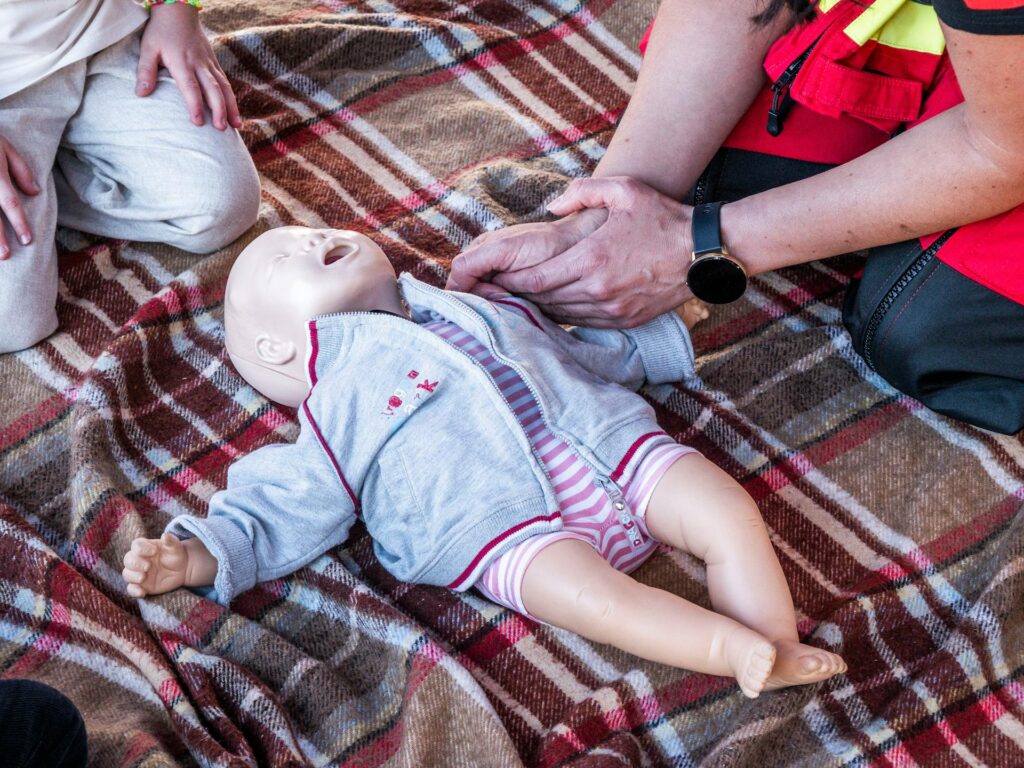
How Community CPR Skills Save Local Lives
Cardiac emergencies can happen anywhere people are gathered. At a workplace, a school sports event, or a busy store, a person can suddenly collapse, stop breathing normally, and need help before EMS can arrive. In those first few minutes, nearby people often have the only chance to keep that person alive long enough to receive advanced care.
Quick, effective CPR can keep blood moving to the brain and other organs while help is on the way. The American Heart Association (AHA) teaches that early CPR can make a major difference in whether someone survives. When more people are trained, there is a better chance that at least one confident responder is close by and ready to act.
Our team provides instructor-led AHA courses that turn regular community members into skilled responders. In this article, we will focus on how to get the most from community CPR training in Santa Barbara so more neighbors, coworkers, and visitors are ready for real emergencies.
Why Santa Barbara Needs Widespread CPR Readiness
Sudden cardiac arrest does not wait for the “right” place or time. It can happen:
- At offices and warehouses
- In schools and childcare centers
- In gyms and sports facilities
- At community centers and places of worship
In a cardiac arrest, every minute without effective CPR matters. Without blood flowing, the brain and body quickly start to suffer. By the time professional responders arrive, the outcome often depends on what bystanders do in those early minutes.
The AHA talks about a “chain of survival” that guides good response:
- Early recognition of a problem and calling for help
- Early CPR with strong, steady chest compressions
- Early defibrillation with an AED if one is available
- Advanced care from EMS and the hospital
The community plays a big role in the first two or three links. Someone needs to notice that a person is not breathing normally, call 911, start compressions, and use an AED. Relying only on EMS is not enough, because they cannot be everywhere at once. Community CPR training in Santa Barbara helps close that gap so people know what to do, not just that they should do something.
Choosing the Right AHA CPR Course for Your Group
Different groups need different types of training. The AHA offers several paths so people can get the skills that match their roles and settings.
AHA Basic Life Support, or BLS, is often used for:
- Nurses and doctors
- Dental staff
- EMTs and other healthcare workers
- Students entering medical fields
BLS focuses on high-quality CPR skills, team-based response, and scenarios that fit clinical settings. It includes adult, child, and infant care, plus AED use and ventilation skills.
For the general public, teachers, coaches, and workplace teams, CPR, AED, and First Aid courses are usually a better fit. These classes focus on:
- Adult-only CPR or adult and pediatric CPR
- How to recognize and respond to choking
- How to use an AED safely and confidently
- Basic first aid skills for bleeding, burns, and other common injuries
Community CPR training in Santa Barbara can be shaped around who will attend. A childcare group may need extra time on infant and child skills. A fitness center might focus on adult CPR and AED drills near their units. Instructor-led, hands-on sessions give people time to practice on manikins, feel what correct compressions are like, and ask questions.
In-person instruction also allows real-time feedback. If compressions are too shallow or too fast, an instructor can correct that on the spot. Many workplaces and schools also appreciate same-day AHA certification cards, since they often need proof of training for safety and compliance.
If you want a sense of how these course styles are offered in different locations, you can look at options like AHA classes in Uniondale or community courses in Troy as examples, then compare them with local needs in Santa Barbara.
Making Community CPR Training Accessible and Effective
To get real impact, training must be both easy to attend and memorable. Local organizations in Santa Barbara can take a few simple steps to make that happen.
Bringing CPR classes onsite makes it simpler for employees and volunteers to participate. Common approaches include:
- Holding sessions during normal work hours
- Offering more than one class time to cover all shifts
- Planning annual or biannual refreshers
- Grouping staff by department if schedules are tight
Inside the training room, engagement is key. People learn best when they can:
- Practice on manikins several times
- Use training AEDs in realistic drills
- Walk through simple scenarios they might actually face
- Ask questions about their own workplace or event spaces
It also helps to include staff from all roles, not just managers or safety officers. Front desk staff, coaches, custodial teams, and volunteers may be the closest people when an emergency starts.
Some groups make CPR and AED skills part of new-hire orientation or volunteer onboarding. That way, everyone joining the team gets the same foundation early, and regular refreshers help keep skills from fading over time. Local options like AHA CPR training in Santa Barbara can be scheduled to match those training cycles.
Building a Community-Wide Emergency Response Culture
When many groups in a city share the same CPR and AED skills, the whole community becomes safer. Businesses, schools, gyms, and neighborhood groups can work together to grow the number of trained bystanders in shared spaces.
A few simple habits support a stronger safety net:
- Mapping AED locations in buildings and posting clear signs
- Including AED drills in fire drills or other safety exercises
- Making sure AEDs stay visible, not locked away in storage
- Checking batteries and pads on a regular schedule
Some organizations name CPR champions or safety leads. These people help track who is trained, when certifications expire, and when it is time to schedule refreshers. They might also share short reminders during staff meetings, like where the nearest AED is or how to recognize cardiac arrest.
Repeated training that follows AHA guidance helps people feel more ready to act. Over time, hesitation tends to drop. When someone collapses, trained bystanders are quicker to start compressions and use an AED, because the steps feel familiar, not scary. That culture of “we act, we do not just watch” can make a real difference when the next emergency happens in Santa Barbara.
Protect Your Santa Barbara Community With Lifesaving Skills
At CPR, AED, and First Aid Certifications, we make it simple for you and your neighbors to gain the confidence to act in an emergency. Explore our community CPR training in Santa Barbara and choose the course that fits your schedule and experience level. If you have questions about group sessions, workplace training, or upcoming classes, contact us so we can help you get started.