Grand Rapids Hospital BLS Hiring: AHA Card Needs, Verification, Pitfalls
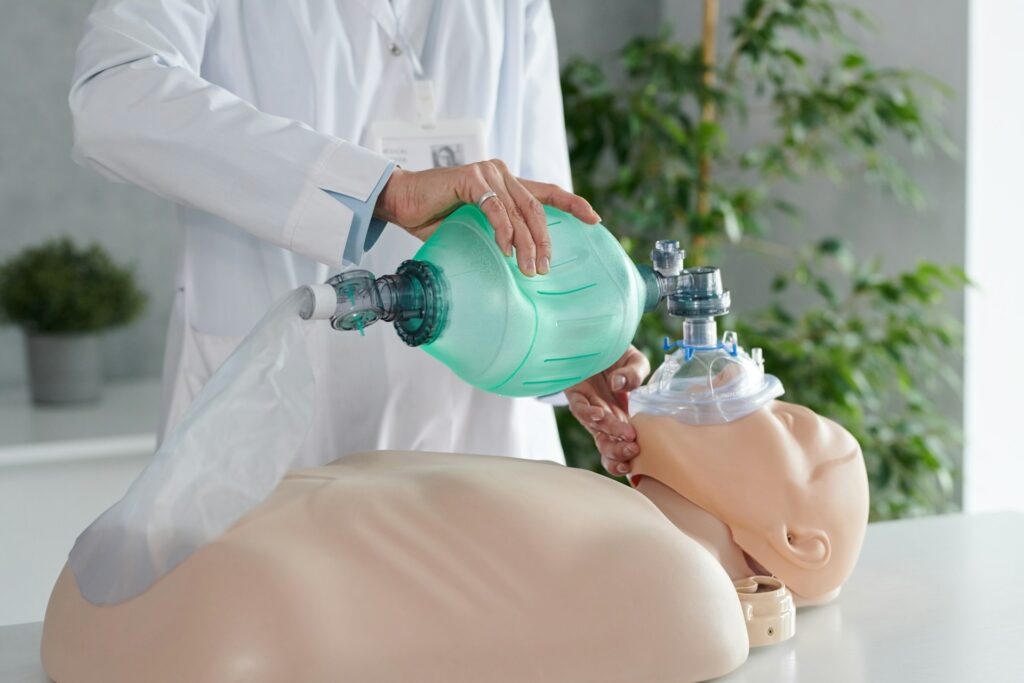
Avoid Costly Hiring Mistakes with Hospital BLS Rules
Basic Life Support, or BLS, is the CPR standard used for people who work around medical emergencies in hospitals. It covers high-quality chest compressions, rescue breathing, using an AED, and working as a team during codes. In Grand Rapids hospitals, hiring teams usually follow American Heart Association (AHA) BLS rules so that everyone is trained to the same level.
When job seekers misunderstand hospital BLS requirements, it can cause real problems. HR may have to delay a start date, ask someone to repeat a course, or in some cases pull back a job offer if the wrong certification is provided. Last-minute classes are also stressful and harder to fit around onboarding and family schedules.
With the right plan for BLS training in Grand Rapids, applicants can avoid these headaches. It helps to know which roles need AHA BLS, how to verify cards or eCards, and what common mistakes cause hospitals to say no to a CPR card.
Hospital Roles That Require AHA BLS in Grand Rapids
In most Grand Rapids hospitals, many clinical roles almost always need a current AHA BLS Provider card on file. These roles include:
- Registered nurses (RNs) and licensed practical nurses (LPNs)
- Certified nursing assistants (CNAs) and patient care techs
- Medical assistants working on inpatient units
- Respiratory therapists, EMTs, and paramedics
- Many allied health staff who are near bedside care
These staff members are often first to the bedside when a patient stops breathing or loses a pulse. Because of that, HR teams want to see a clear, current AHA BLS card before or during orientation.
There are also roles where BLS is required, but applicants sometimes forget to check the details, such as:
- Surgical technologists in operating rooms or procedure areas
- Radiology and imaging staff, including CT and MRI techs
- Behavioral health staff in acute or locked units
- Physical, occupational, and speech therapists who treat higher-risk patients
In large Grand Rapids hospitals, some indirect care or support staff may also need BLS, depending on policy. This can include unit coordinators who sit at central desks, transport staff who move patients around the building, and certain security personnel who respond to emergencies.
If a role is anywhere close to patients or patient movement, there is a good chance AHA BLS is required, even if day-to-day duties are not hands-on medical care.
Roles Where BLS Requirements Can Be Confusing
Some jobs sit in a gray area, which is where people often get tripped up. For example, clinic-based medical assistants, front-desk staff at outpatient centers, and technicians who mostly work in labs or diagnostic areas may or may not need AHA BLS. It can depend on:
- Whether they ever help with patients in distress
- If the clinic is attached to a hospital system
- Department rules and risk level
Another big issue is vague wording in job ads. A posting might say “CPR required” without saying “AHA BLS for Healthcare Providers.” Many people then sign up for a quick community CPR class meant for the general public and later learn HR will not accept it.
To avoid this, candidates should:
- Read the full job description closely, including preferred qualifications
- Ask HR or the hiring manager, “Do you require AHA BLS Provider specifically?”
- Confirm if any other AHA course names are acceptable for the role
Many hospitals name the American Heart Association in their policies to keep things clear and consistent. If the posting is unclear, a short email or call can prevent paying for the wrong CPR class.
If you ever move or travel, the same AHA standards apply in other cities as well, such as at our locations in Troy or Santa Barbara, which can be helpful for long-term career planning.
How to Verify AHA BLS Cards and eCards Correctly
Most hospitals now receive AHA BLS Provider eCards instead of paper cards, but the same key details need to be there. A valid AHA BLS card or eCard should clearly show:
- The course name: “BLS Provider” or similar AHA wording
- The American Heart Association logo
- Your full name and the completion date
- Instructor information and training center details
- A renewal or recommended-by date
Both HR staff and job seekers can use the official AHA eCard verification system to check authenticity. With the eCard code or QR scan, you can confirm:
- That the name on the eCard matches the person using it
- That the course listed is BLS Provider, not a lay-rescuer class
- That the date is within the hospital’s required renewal window
Red flags that suggest a card may not be valid include missing AHA branding, partial course titles like “CPR & AED” with no AHA mention, scratched-out or altered dates, or generic wallet cards from unknown groups that do not show up in AHA systems.
If you earned your card at a different AHA site, such as our Uniondale training location, HR in Grand Rapids should still be able to verify it as long as it is a true AHA BLS Provider eCard.
Common BLS Acceptance Pitfalls in Grand Rapids Hospitals
Many people find out the hard way that not all CPR classes count for hospital jobs. A few common problems include:
- Taking a general public CPR class instead of AHA BLS for Healthcare Providers
- Completing an online-only CPR course with no in-person skills check
- Presenting an expired AHA BLS card at onboarding
- Accidentally choosing a non-healthcare AHA CPR course, such as a family or youth class
Even if a card says “CPR certified,” hospitals often need the specific AHA BLS Provider course with hands-on skills and testing. Some blended AHA options are fine, but only if there is a live skills session with an instructor. If that step is missed, HR may not accept the certificate.
These issues can slow down hiring and create stress for both the new employee and the department waiting for them. Choosing instructor-led, AHA-compliant BLS training in Grand Rapids with same-day certification can help people show up on their first day ready with the exact card HR expects.
Secure Your Next Hospital Role with the Right BLS Plan
The safest approach is to plan ahead. Before you apply for a new hospital role or renew an old card, take time to:
- Review the hospital’s BLS policy for your specific role
- Confirm that the requirement is AHA BLS Provider or an equivalent AHA course
- Ask about preferred course formats, such as fully instructor-led or blended with skills check
- Note your renewal date so your card does not expire during hiring or orientation
Keeping both digital and printed copies of your AHA BLS card ready for HR makes onboarding smoother. When your training is clear, current, and matches hospital rules, you can focus on learning your new role instead of scrambling to fix CPR paperwork.
By understanding how Grand Rapids hospitals view AHA BLS requirements, knowing which roles need this training, and avoiding the most common acceptance pitfalls, healthcare workers can move into new positions with fewer surprises and fewer delays.
Take The Next Step To Build Lifesaving Skills
If you are ready to feel confident in an emergency, our team at CPR, AED, and First Aid Certifications is here to help. Explore upcoming classes and reserve your spot for BLS training in Grand Rapids so you can respond quickly and effectively when it matters most. If you have questions about class options, scheduling, or group sessions, simply contact us and we will guide you through your next steps.