Scheduling Community CPR Training in Santa Barbara Around Shift Work
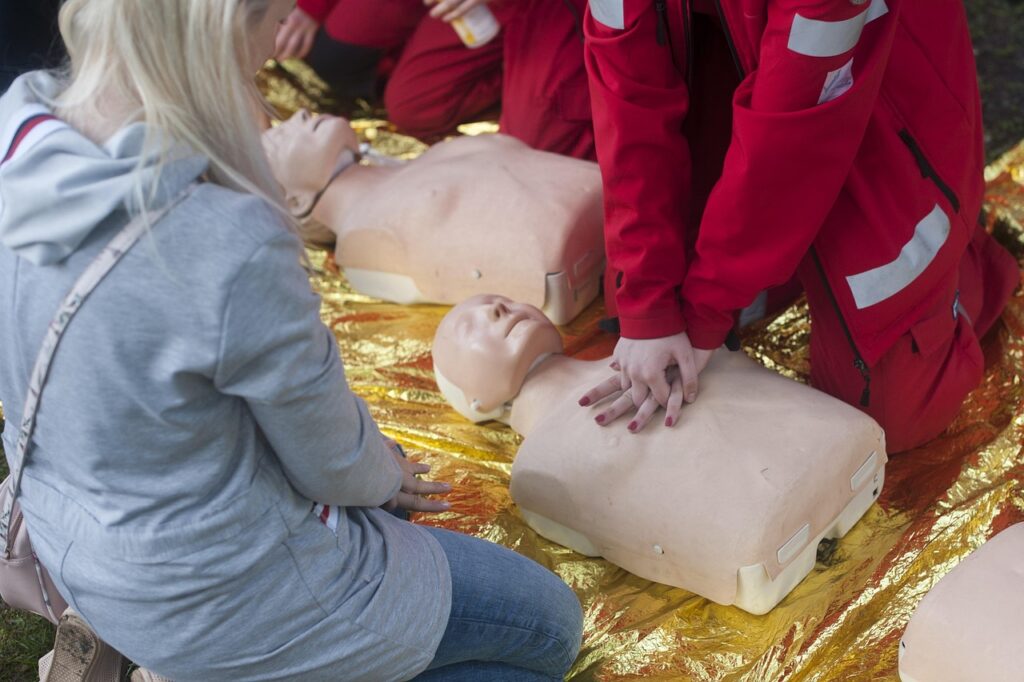
Make CPR Training Work for Every Shift in Santa Barbara
CPR training is not just a box to check. For hospitals, hotels, gyms, security teams, and childcare centers, it is part of daily safety. But when staff work rotating shifts, getting everyone into a standard weekday class can feel almost impossible.
Many Santa Barbara workers finish a long night shift, only to realize the only CPR class they can find starts right when they should be sleeping. Others work swing shifts that change every week. This article explains how community CPR training in Santa Barbara can be planned around real schedules, so day, evening, night, and rotating shifts all get the American Heart Association (AHA) training they need without losing coverage.
Understanding Santa Barbara’s Shift Work Challenges
Santa Barbara never fully shuts down. Hospitals and clinics, assisted living facilities and memory care centers, hotels and resorts, fitness centers, private gyms, security teams, and childcare programs need staff 24 hours a day. That means someone is always on duty, and someone else is getting ready to clock in.
Shift workers in these settings face real barriers to traditional classes, such as:
- Back-to-back shifts that leave no time for long classes
- Overtime that gets added at the last minute
- Rotating schedules that change from week to week
- Fatigue from nights and early mornings
When classes only run midweek during standard business hours, many workers are forced to choose between rest and staying current with CPR, AED, First Aid, or BLS training. This can lead to missed renewal dates and expired AHA credentials.
Expired or missing certifications can affect:
- Workplace safety during cardiac or breathing emergencies
- Regulatory or licensing requirements for certain roles
- Liability concerns for employers and managers
- Staff confidence when responding under pressure
For community CPR training in Santa Barbara to really work, it has to be built around these realities. The training plan should fit the way your teams already work, not fight against it.
Flexible CPR Class Options That Fit Rotating Schedules
There are many ways to design CPR classes so they fit around shift work instead of disrupting it. The key is to offer options, not just one rigid time slot.
Some popular formats include:
- Early morning classes that start right after night shift ends or before day shift begins
- Late evening classes that begin as swing shift wraps up
- Weekend sessions that match common rotation patterns
These options allow staff to train close to their regular work hours while still getting some rest.
Blended learning is another helpful format. With AHA blended courses, staff complete the main coursework online, then come in for a shorter, focused, in-person skills session. This can reduce time off the floor, while still meeting AHA standards for hands-on practice and testing.
Group planning can also support coverage and safety, such as:
- Small department-based classes so only a few team members are away at a time
- Staggered class times for the same unit, spreading training across several days
- Separate class blocks for day, evening, and night crews
Locations like our Santa Barbara AHA training site can work with organizations to plan CPR, AED, First Aid, or BLS sessions that match specific staffing patterns and help limit disruption.
Coordinating Community CPR Training in Santa Barbara
Good scheduling starts with a clear picture of your training needs. Before you set dates, it helps to:
- Count how many staff work each shift, including part-time and per diem
- List which AHA course each role needs, such as CPR, AED, First Aid, or BLS
- Check upcoming expiration dates, so recertifications are not missed
Once you know this, you can map classes to your schedule. Many organizations find it useful to:
- Create a training calendar that covers at least one full schedule rotation
- Assign target class dates by unit or department
- Offer multiple time options so each shift has equal access to training
On-site sessions are especially helpful for shift-heavy workplaces. When instructors come to your facility, you can:
- Reduce travel time and parking issues for staff
- Run back-to-back classes to cover multiple shifts in one day
- Line up classes with shift changes for easier handoffs
For multi-site organizations, it may also help to coordinate with other locations, such as using a similar approach to what we offer at our Uniondale training location or Troy training site, then adjusting for Santa Barbara staffing patterns.
Clear internal communication keeps everything on track. Simple tools work well, for example:
- Posting sign-up links or paper sign-in sheets in break rooms
- Sending reminders ahead of each session
- Having supervisors confirm which staff are scheduled for which class
When everyone knows the plan, it is easier for shift workers to attend the right session without confusion.
Supporting Staff Before, During, and After CPR Classes
Planning the time is only part of the job. Supporting staff around the class makes a big difference in how much they learn and remember.
Before class, employers can help by:
- Avoiding class times right at the end of a long overtime stretch
- Allowing a brief rest or meal break before training starts
- Providing a quiet, comfortable classroom space with enough room for skills practice
During class, AHA-trained instructors can adjust to the needs of tired or stressed staff. Effective classes often include:
- Short teaching segments followed by hands-on practice
- Real-world scenarios that match healthcare, hospitality, fitness, security, or childcare settings
- Clear, calm feedback as staff practice CPR, use an AED trainer, and work through First Aid situations
After class, fast certification processing matters. Many workers need their AHA cards for HR files, onboarding, or licensing applications. When cards are issued quickly, staff and managers do not have to worry about gaps or missing proof of training.
It also helps to build a long-term plan so training does not become a last-minute rush. Simple systems can support this, like:
- Tracking certification expiration dates for each employee
- Sending reminders well before courses are due for renewal
- Aligning recertification cycles with your regular scheduling and staffing reviews
With a clear plan, shift workers are less likely to face sudden scrambles when their CPR, AED, First Aid, or BLS cards are close to expiring. This steady, ongoing approach helps every shift stay ready to respond, no matter the hour or the setting.
Protect Your Community With Life-Saving Skills Today
At CPR, AED, and First Aid Certifications, we make it simple to get the knowledge and confidence you need to act in an emergency. Explore our community CPR training in Santa Barbara options to find the class that fits your schedule and experience level. If you have questions about group courses, workplace requirements, or custom training, please contact us so we can help you get started.