Ensuring Lifeguard CPR Training in King of Prussia Meets AHA Standards
Why Strong CPR Skills Matter for Lifeguards
CPR skills are at the center of every strong lifeguard program. When something goes wrong in or around the water, lifeguards are often the first and only trained responders on scene. In those first minutes, the quality of CPR can make a real difference for a person who is not breathing or whose heart has stopped.
For aquatic facilities in King of Prussia, this means CPR training cannot be basic or outdated. Lifeguards need clear, confident skills that match current American Heart Association (AHA) science and teaching. AHA-aligned CPR, AED, and First Aid courses give lifeguards a simple, consistent way to learn what actually works in real emergencies.
CPR, AED, and First Aid certifications offer instructor-led classes designed to match these needs. Our courses are built for both professional rescuers and community staff, with easy enrollment and same-day certification cards so lifeguard teams can stay on track with training and compliance.
What AHA Standards Expect From Lifeguard CPR
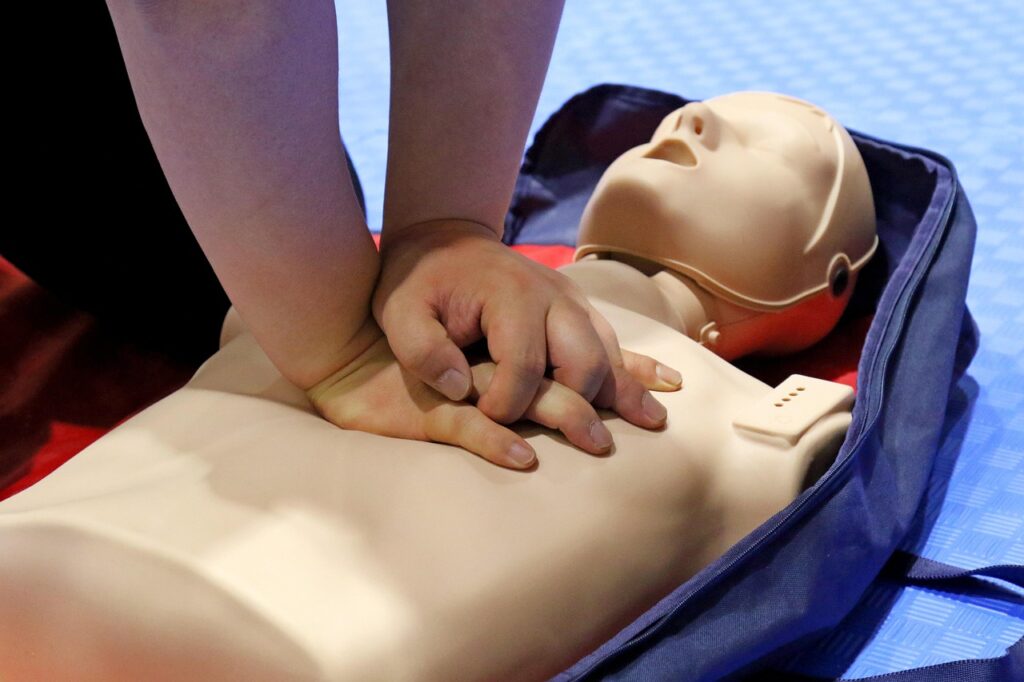
AHA standards focus on high-quality CPR that is simple to do and easy to remember under stress. For lifeguards, that means much more than just knowing where the AED is kept. It means being able to step in, take charge, and start care in a steady, organized way.
Core skills lifeguards should master include:
- Strong, steady chest compressions in the correct spot and at the right depth
- Giving breaths with a mask or bag so the chest rises without over-ventilating
- Using barrier devices to protect both rescuer and victim
- Turning on and using an AED quickly while CPR continues
Lifeguards rarely work alone, so AHA standards also stress team-based response. That includes:
- Clear role assignments, such as compressor, ventilator, and AED operator
- Switching roles to avoid fatigue without losing compression quality
- Speaking out loud so the whole team stays in sync
- Working side by side with EMS when they arrive
Any lifeguard CPR class that claims to follow AHA guidelines should include:
- Hands-on practice with adult, child, and infant manikins
- Direct instructor feedback and coaching on each skill
- Formal skills testing on compressions, breaths, and AED use
- A written assessment to confirm understanding of AHA rules and steps
When lifeguards train in an AHA-aligned course, they learn the same basic approach that is used in other AHA programs across the country, like the ones our organization offers in locations such as Uniondale.
How King of Prussia Lifeguards Gain From AHA-aligned Training
CPR training for lifeguards in King of Prussia that follows AHA standards helps more than just the person who might need rescue. It also supports the whole aquatic program around them. Local pools, schools, and fitness centers often have strict rules about what type of CPR cards they accept. AHA-compliant certifications make it easier for employers to confirm that staff training matches those rules.
When all lifeguards share the same AHA-based methods, teams also respond faster and with fewer mix-ups. Everyone knows:
- The order of steps when a swimmer is pulled from the water
- Who starts compressions and who grabs the AED
- How to work in pairs or larger groups without getting in each other’s way
This shared language and flow helps lifeguards stay calmer and more confident, which can support better outcomes during cardiac arrest or near-drowning emergencies.
Documented AHA-compliant training also helps facility leaders handle inspections and risk management. When audits come up, it is easier to:
- Confirm that each lifeguard’s card is current and appropriate
- Show that the course followed recognized AHA guidelines
- Prove that training covers CPR, AED, and First Aid, not just one piece
Because AHA standards are used nationally, this approach lines up well with what is taught in other certified programs around the country, such as our AHA courses in Troy.
Choosing the Right CPR Course for Lifeguard Teams
When planning CPR training for lifeguards in King of Prussia, aquatic directors should look closely at the course style and content, not just the name on the card. Good signs that a course fits lifeguard work include:
- AHA-aligned curriculum and current guidelines
- Instructors with experience teaching professional rescuers
- Scenario-based practice set at poolside, the deck, and locker room areas
- Focus on both single-rescuer and team-based response
Two common AHA course types often used for lifeguards are:
- AHA BLS (Basic Life Support): Designed for healthcare-level responders. This is often a strong choice for lifeguards at larger aquatic centers, swim programs linked with healthcare systems, or facilities that want a higher standard of response.
- AHA Heartsaver CPR AED and First Aid: Built for community rescuers. This course works well for camp staff, school pool staff, and smaller facilities that still need reliable CPR, AED, and First Aid skills.
Directors should also think about logistics:
- Run group classes so whole teams train together
- Track each guard’s expiration date in one central place
- Match CPR, AED, and First Aid training with hiring, onboarding, and in-service schedules
This type of planning helps avoid last-minute scrambles when cards are about to expire or inspections are coming up.
Keeping Recertification and Skill Refreshers Simple
AHA certifications are only valid for a set period of time, so lifeguards should renew before those cards expire. Waiting too long can create gaps in both readiness and facility compliance. Planning ahead makes things smoother.
Between full courses, lifeguard skills should be kept fresh through:
- Regular skills check-offs with manikins and AED trainers
- Short refresher sessions built into in-service trainings
- Mock emergency drills that follow the same steps used in class
These touch points help lifeguards keep CPR, AED, and First Aid steps in their muscle memory so they are not trying to remember details during a real emergency. Working with a single training provider for repeat sessions can also keep the style and expectations the same year after year, similar to how our AHA courses remain consistent across locations such as Santa Barbara.
When facilities treat CPR training as an ongoing process instead of a one-time event, lifeguards stay more confident, skills stay sharper, and programs stay ready for the next emergency, whenever it comes.
Advance Your Lifeguard Skills With Proven CPR Training
Make sure you are ready to act when every second counts by enrolling in our CPR training for lifeguards in King of Prussia. At CPR, AED, and First Aid Certifications, we provide practical, scenario-based instruction that helps you respond confidently in real emergencies. If you have questions about schedules, group classes, or certification requirements, contact us so we can help you choose the right course and get you prepared for the season.