Structuring Community CPR Training in Santa Barbara for Real Emergencies
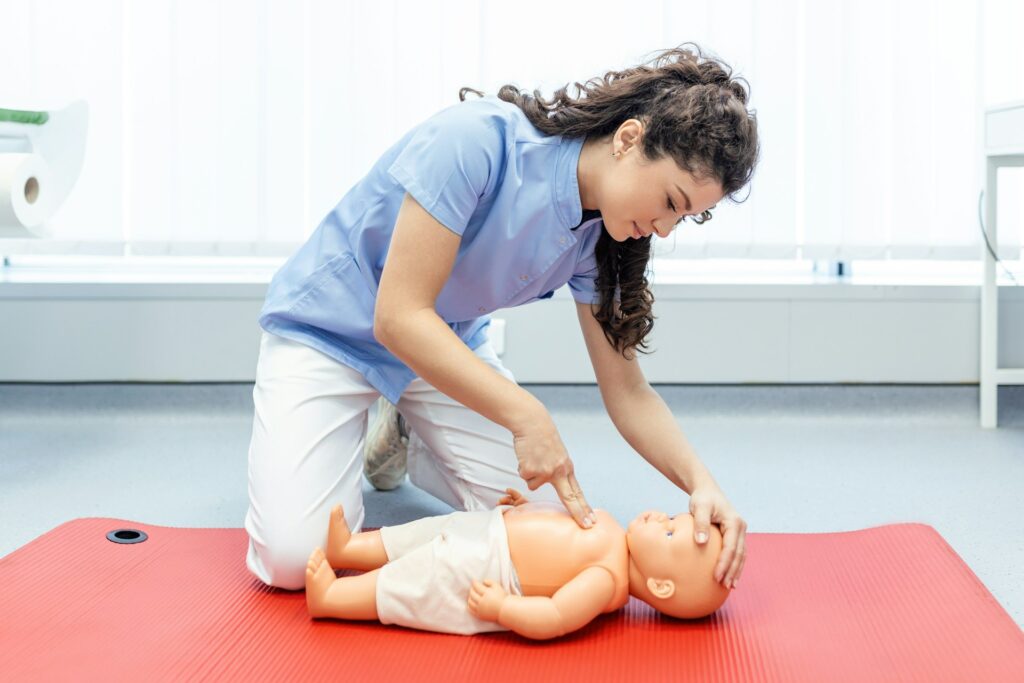
Turning Bystanders Into Lifesavers in Santa Barbara
Sudden cardiac arrest can happen in a store, at a gym, or on a sidewalk in Santa Barbara with no warning. In those first few minutes, the people nearby decide how the story ends. When someone starts fast, confident CPR and uses an AED, that person on the ground has a real chance.
This is the heart of community CPR training in Santa Barbara. The goal is simple: help everyday people act before emergency medical services arrive. When training is clear, hands-on, and realistic, people are more likely to step forward instead of stepping back.
At CPR, AED, and First Aid Certifications, we teach American Heart Association (AHA) CPR, AED, First Aid, and BLS classes with same-day certification. Our focus is not just passing a test. We design classes so people can handle real emergencies, under real pressure, in real local settings.
Why Community CPR Training in Santa Barbara Must Mirror Reality
A real cardiac arrest is loud, fast, and emotional. There might be family members crying, music playing, or people filming on their phones. Good community CPR training in Santa Barbara should prepare people for this kind of scene, not just a quiet classroom.
The AHA highlights a few key ideas that shape strong training:
- High-quality chest compressions
- Quick action and early use of an AED
- Clear communication between rescuers
Watching an instructor press on a manikin is not the same as pushing hard and fast on someone who is not waking up. That gap is where scenario-based practice helps. When students run through timed drills and realistic role-plays, they feel what it is like to make choices with their hearts racing.
Realistic practice also helps people remember the details that matter, such as:
- Compression depth and rate for adults, children, and infants
- Where and how to place AED pads without delay
- How to switch rescuers during compressions with almost no pause
When classes mirror real emergencies, people leave not just informed, but prepared.
Building a Skills-First CPR Course Structure
Strong CPR classes are built around lifesaving priorities. The steps stay simple and clear:
- Recognize cardiac arrest
- Activate emergency medical services
- Start chest compressions right away
- Use an AED as soon as it is available
A skills-first model means we keep talking short and practice long. Instead of long lectures, we give brief AHA-aligned instruction, then move straight to hands-on work. We circle back with short refreshers so the key points stay fresh.
Core skills get repeated over and over:
- Chest compressions on adult, child, and infant manikins
- Rescue breaths when they are part of the response
- Turning on the AED, placing pads, and following prompts
We also like to set up short, focused skill stations that students rotate through, such as:
- Compressions-only CPR
- AED practice
- Recovery position for breathing but unresponsive people
- Choking relief for adults, children, and infants
This style keeps people engaged and allows them to practice different emergency problems without feeling overwhelmed. For example, our Santa Barbara AHA courses are structured so every student gets many rounds of direct practice, not just one or two turns.
Designing Realistic Scenarios for Santa Barbara Settings
Community CPR training in Santa Barbara works best when the practice scenes feel familiar. We build scenarios around places where people in our area spend their time, such as:
- Offices and co-working spaces
- Schools and childcare settings
- Fitness centers and sports fields
- Medical and dental practices
- Community centers and events
Instructors can raise the pressure in a safe way by using:
- Timed drills with a countdown
- Role-players acting as distressed family or friends
- “Surprise” scenarios so students do not know what is coming next
Many real emergencies involve more than one problem. Someone may choke, collapse, and then need CPR and an AED. Another person may fall, have heavy bleeding, and then lose consciousness. We combine CPR, AED use, and basic first aid in practice scenes to match these real-life chains of events.
Different groups need different angles. For example:
- Healthcare providers may focus more on team roles and BLS-level detail
- Teachers and childcare workers may spend extra time on infant and child skills
- Fitness staff may practice scenes on gym floors or near locker rooms
- General community members may center on simple, step-by-step lay rescuer CPR
No matter the group, we keep everything aligned with AHA standards so the core science and steps stay consistent. This same AHA approach also guides our other locations, such as our Troy training site and our Uniondale classes.
Organizing and Maintaining a Community Training Plan
For businesses, schools, and community groups, good CPR training is not a one-time event. It works best as an ongoing plan.
To get started, groups can:
- Choose dates that match slow periods in their schedule
- Decide if training happens on-site or at a training center
- Set clear attendance expectations for staff or members
It often helps to segment people by role and responsibility. For example:
- Safety officers or medical staff may take BLS courses
- General staff may complete lay rescuer CPR and AED training
- Supervisors may learn extra steps for leading an internal response
A simple training calendar should include:
- Initial certification dates
- Planned refreshers or short practice sessions
- Recertification dates before cards expire
Logistics matter too. Groups that train should also:
- Make sure everyone knows where AEDs are located
- Create a basic emergency response plan for the site
- Practice fast handoffs to emergency medical services when they arrive
Keeping Skills Fresh After Certification
Performance in a real emergency depends on what people remember months after class day. Skills fade if they are not used. That is why regular refreshers are so helpful.
Simple ways to keep CPR skills fresh include:
- Short practice sessions with manikins during staff meetings
- Quick AED drills, like a two-minute “find and power on the AED” challenge
- Brief reviews of key AHA steps a few times a year
Groups should also track when certifications expire so there are no gaps in readiness. Planned recertification helps keep everyone current with any updated guidelines.
When emergencies do happen, a short, respectful debrief afterward can teach a lot. People can talk about what felt smooth, what felt confusing, and what they wish they had practiced more. Instructors can then adjust future class scenarios to close those gaps.
Over time, this kind of honest review and updated practice turns a group of trained individuals into a real response network, ready to act when every second counts.
Help Your Santa Barbara Community Stay Safe With Lifesaving Skills
If you are ready to feel confident in an emergency, our team at CPR, AED, and First Aid Certifications is here to support you. Explore our community CPR training in Santa Barbara to find the course that fits your schedule and comfort level. We offer practical, hands-on instruction so you can stay calm, act quickly, and make a real difference when seconds count. Have questions about group classes or custom training options? Just contact us and we will help you get started.