Essential CPR Training for Santa Barbara Community Volunteers
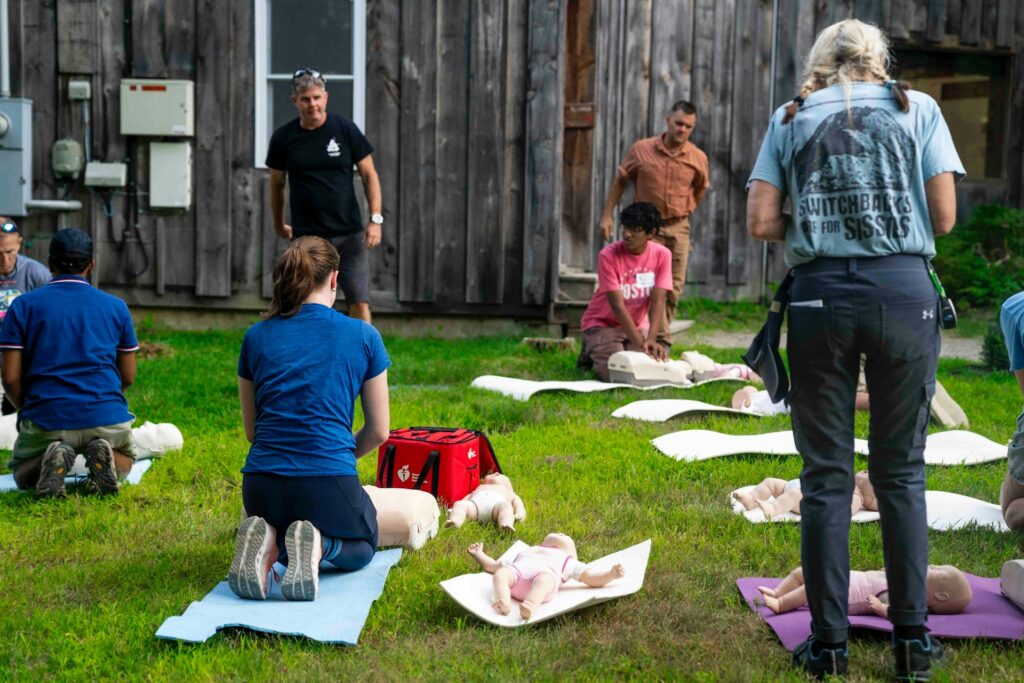
Why Santa Barbara Volunteers Need CPR Skills
CPR skills matter for anyone who spends time serving the community. Volunteers often help at public events, schools, places of worship, and local organizations. These are all places where someone can suddenly stop breathing or their heart can stop. When that happens, every second counts.
In many emergencies, the first person to act is not a doctor or paramedic. It is a nearby volunteer who is willing to step in. Early CPR and quick use of an AED can give a person a much better chance of surviving until EMS arrives. When more volunteers are trained, our whole community becomes safer and stronger.
Here in Santa Barbara, many groups depend on volunteers to keep programs running. That is why community CPR training in Santa Barbara is so important. Trained volunteers can make a calm, clear difference in the middle of a scary moment.
Understanding Community CPR Training in Santa Barbara
Community CPR training is designed for everyday people, not just medical workers. It focuses on simple, clear steps that anyone can follow during an emergency. Our local classes, like those at our Santa Barbara training location, are built around guidelines from the American Heart Association (AHA).
Most community CPR courses include.
- Adult CPR with hands-only compressions
- Options for child and infant CPR skills
- How to use an AED safely
- How to help someone who is choking
These classes are different from AHA Basic Life Support, or BLS. BLS is meant for healthcare workers and professional rescuers. It covers more detailed teamwork and extra skills for clinical settings. Community CPR training keeps the focus on what a volunteer is most likely to face in everyday places like a school auditorium or a community center lobby.
Volunteers do not need any medical background to take part. The AHA guidelines break the steps into simple actions that are easy to remember. With in-person practice, students build muscle memory so they feel more confident if something happens during a shift or event.
Key Skills Every Santa Barbara Volunteer Will Learn
During community CPR training in Santa Barbara, volunteers get hands-on practice. The goal is to help them feel ready to act, not just to pass a test. In class, we work through each step one at a time.
Core skills usually include.
- Checking if a person is responsive and breathing
- Calling 911 or directing someone else to do it
- Starting high-quality chest compressions in the center of the chest
- Giving rescue breaths if the chosen course covers breaths
- Turning on and using an AED safely and quickly
Volunteers also learn how to spot common emergencies, such as.
- Sudden collapse and no normal breathing, which may mean cardiac arrest
- Gasping or noisy breathing
- Signs of choking, like grabbing the throat or being unable to speak
Our courses follow up-to-date AHA protocols so volunteers learn current methods, not habits that are out of date. We also use practice scenarios that feel real for Santa Barbara volunteers. For example, we might walk through what to do if someone collapses.
- During a charity run or walk
- In a classroom during an after-school program
- Inside a busy community event or faith service
Scenarios help students tie the skills to places they already know. This makes it easier to remember what to do when stress is high.
Choosing the Right CPR Certification Course
Not every volunteer needs the same level of training. Some only need basic CPR and AED use. Others may also need first aid or a BLS card because of workplace rules. We help people choose a course based on what they actually do in their role.
Common options include.
- Community CPR and AED classes for general volunteers
- CPR, AED, and first aid together for those who may see injuries, like coaches or event staff
- AHA BLS classes for people who must meet professional or organizational standards
When deciding what is best, it helps to think about.
- Where you volunteer, such as schools, sports fields, or outreach programs
- How often you work with children or older adults
- Whether your volunteer program has a specific certification requirement
Youth leaders, nonprofit workers, and workplace teams all benefit from clear guidance on which course fits their needs. Many groups in other cities we serve, like those near our Troy training site or our Uniondale location, face similar decisions. Course length, in-person, instructor-led practice, and same-day certification cards are all practical details that can make training easier to complete and maintain.
Building a Safer Santa Barbara Through Trained Volunteers
When more volunteers know CPR, the whole community benefits. Emergencies can happen in line for food at a fundraiser, during a youth game, or while people are setting up chairs for a meeting. If someone nearby can start CPR and use an AED, the chain of survival becomes stronger.
Key parts of that chain include.
- Early recognition of an emergency
- Quick activation of 911
- Immediate CPR from a trained bystander
- Rapid use of an AED if one is available
- Ongoing care from EMS and hospital teams
Local organizations and volunteer coordinators can play a big role in this. Many groups choose to.
- Build CPR and AED training into volunteer onboarding
- Plan regular refresher courses so skills stay sharp
- Encourage team members to renew certifications before they expire
When CPR training is treated as a normal part of serving the community, volunteers feel more prepared. Knowing what to do does not remove the stress of an emergency, but it gives people a clear plan to follow. That calm and confidence can make a real difference when someone nearby needs help.
Protect Your Community With Life-Saving Skills Today
At CPR, AED, and First Aid Certifications, we make it simple to find community CPR training in Santa Barbara that fits your schedule and experience level. Our certified instructors focus on practical, hands-on skills so you feel confident responding in a real emergency. If you have questions about class options or group training, please contact us so we can help you choose the best course for your needs.