Summer Travel First Aid Kit Essentials: Common Vacation Injuries Explained
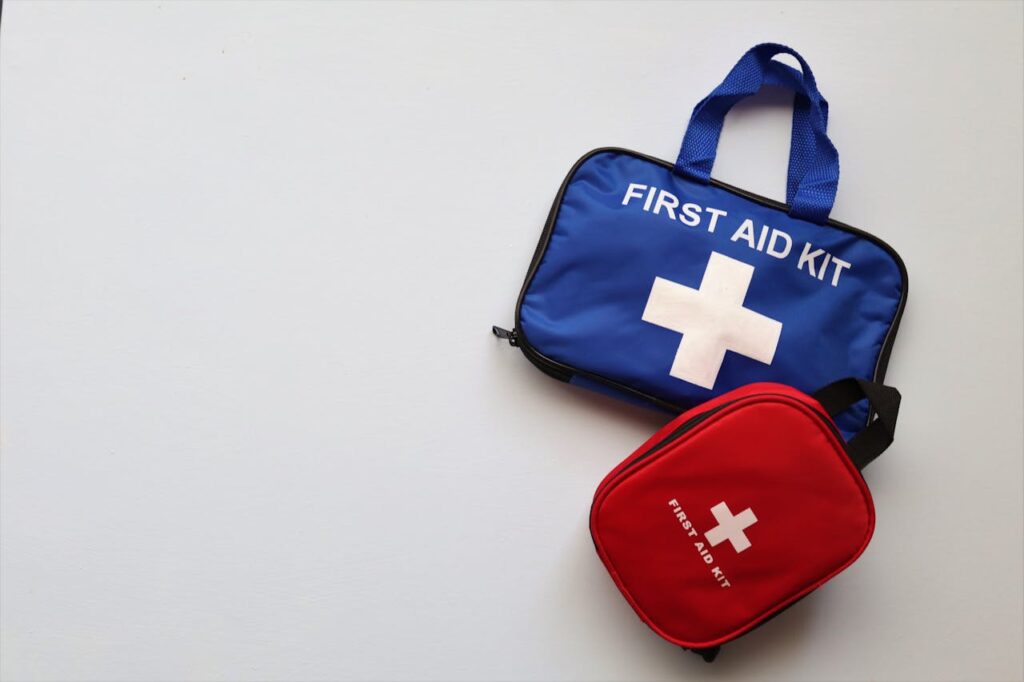
Pack Peace of Mind Before You Pack Your Bags
Summer trips mean more time outside, more water fun, and more chances for small mishaps to pop up. Long car rides, hot stadium seats, crowded beaches, and trail hikes all raise the risk of minor injuries, heat problems, and water emergencies, especially if you are traveling with kids, older adults, or anyone with health issues.
A simple first aid kit can turn a stressful moment into something you can handle. When you add a little basic first aid knowledge, you are not guessing what to do; you are calmly working a plan. That matters when someone is scared, hurting, or feeling sick in a place that is not home.
One big question many travelers have is this: is smart packing enough, or should we take first aid classes before we go? Both matter. Packing gives you tools. Training gives you skills. At CPR, AED, and First Aid Certifications, we provide American Heart Association approved CPR, AED, first aid, and BLS training with same-day certification, so even busy travelers can fit learning into their plans before summer trips.
Build a Smarter Summer Travel First Aid Kit
A good travel kit is more than a box of random bandages. Start with the basics most families need at some point.
Core travel kit supplies include:
- Adhesive bandages in several sizes
- Sterile gauze pads and adhesive tape
- Antiseptic wipes and antibiotic ointment
- Hydrocortisone cream for itching
- Tweezers, small scissors, nonlatex gloves
- Instant cold packs
For summer, add items that handle heat, bugs, and tummy trouble:
- Oral rehydration salts or electrolyte packets
- Sunscreen with SPF 30 or higher
- Aloe vera gel for mild sunburn
- After-bite or sting relief
- Oral antihistamines
- Pain relievers and anti-diarrheal tablets
- Motion sickness tablets
- Blister pads for walking or hiking
Then, tweak your kit to match your trip.
For beach and water trips, think about:
- Waterproof bandages and extra sunscreen
- Vinegar or baking soda if local guidance suggests them for marine stings
- Ear drops to help lower swimmer’s ear risk
For road trips, it helps to include:
- Duplicate prescription medications
- Backup glasses or contacts
- Child-safe dosing tools
- Emergency contact cards for each traveler
For international travel, plan ahead with:
- Copies of prescriptions
- Medications in original labeled containers
- Small translation cards for allergies and medical conditions
You can read instruction sheets, but using many of these items safely is easier when you have actually practiced. First aid classes explain things like safe medication dosing, cleaning wounds without causing more damage, and when to seek medical care instead of treating something on your own.
Heat Illness, What to Pack, and What to Know
Warm weather trips often bring heat problems. Heat issues fall on a spectrum, from mild to life-threatening.
Simple signs many travelers can spot:
- Heat cramps: painful muscle cramps, heavy sweating, feeling tired.
- Heat exhaustion: heavy sweating, cool clammy skin, dizziness, headache, nausea.
- Heat stroke: hot skin that may be dry or very sweaty, confusion, slurred speech, acting not like themselves, possible loss of consciousness. This is a medical emergency.
To help prevent and manage milder heat issues, pack:
- Electrolyte packets
- A sturdy reusable water bottle
- Cooling towel and wide-brim hat
- Light, breathable clothing
- Small spray bottle or handheld fan
- A simple oral thermometer to check for fever versus heat stress
On the spot, your basic first aid steps usually include moving the person to shade, loosening tight clothing, and cooling with water or fans. Offer small sips of cool fluids if they are awake, able to swallow, and not throwing up. If they get confused, vomit repeatedly, pass out, or their symptoms get worse, stop giving fluids and call 911 or local emergency services right away.
Knowing when to stop fluids, how to position someone who might throw up, and how to care for a person who is unresponsive but breathing is hard to learn from a list. First aid classes walk you through red flags of heat stroke, safe body positions, and how to talk with emergency dispatchers while you help.
Water Safety, CPR Skills, and Travel Readiness
Pool days and beach trips are some of the best parts of summer, but water also brings real risk. Common problems include near-drowning, slips on wet decks, and small cuts and scrapes from shells, rocks, or rough pool edges.
For water-focused plans, you may want:
- Waterproof bandages
- Extra gauze and tape for wet environments
- Saline or clean water for rinsing eyes and wounds
- A small flashlight or whistle for signaling at dusk
- A compact emergency blanket to keep someone warm after leaving cold water
These tools help with minor injuries, but they cannot restart a heart or move air into lungs. If a swimmer is pulled from the water not breathing or unresponsive, CPR and AED skills are what make the difference while help is on the way.
Think of the split:
- Your kit is for scrapes, small cuts, and irritated eyes.
- Training prepares you for emergencies like an unresponsive person at the pool, where you may need chest compressions, rescue breaths, and quick use of an AED.
At CPR, AED, and First Aid Certifications, we offer American Heart Association approved CPR and AED training, including blended options that mix online learning with in-person skills practice. Same-day certification makes it realistic to get trained before busy summer weekends at the lake or community pool.
Outdoor Bites, Stings, and Allergies Away From Home
Hikes, picnics, and camping bring bugs and plants we might not run into every day. Common culprits include mosquito and tick bites, bee and wasp stings, jellyfish or other marine stings at the beach, and plants like poison ivy.
Pack for bites and stings with:
- Tweezers and a fine-tipped tool for careful tick-removal
- Sting relief wipes or gel
- Hydrocortisone cream and oral antihistamines
- Cold packs
- Small resealable bags you can fill with ice at hotels or rentals
If someone in your group has allergies, planning ahead is very important. They should travel with prescribed epinephrine auto-injectors, a written allergy action plan, and a medical alert bracelet or card that explains their condition.
Your kit is usually enough for mild reactions that stay in one area, such as small itchy bumps or a limited rash. But if someone develops fast swelling of the face or throat, trouble breathing, or hives all over, you need emergency help right away. First aid training covers how to recognize anaphylaxis, how to use an epinephrine auto-injector correctly, and how to support a person’s breathing while waiting for EMS.
When Packing Is Not Enough
So how do you know when a well-stocked kit is enough and when it is time to sign up for a class?
Gear alone is usually fine if you are mainly worried about:
- Minor cuts, scrapes, and blisters
- Small burns or mild sunburn
- Simple bug bites without allergy history
On the other hand, training is a smart step if your trip includes:
- Young kids or older adults
- Sports like boating, jet skiing, or long hikes
- Remote cabins, camping, or places far from medical care
- Frequent time around pools, lakes, or the ocean
First aid classes give more than facts. You get hands-on practice with CPR, AED use, choking relief, wound care, and recognizing stroke and heart attack warning signs. You also learn how to manage heat illness and allergic reactions when everyone around you may be nervous or scared.
At CPR, AED, and First Aid Certifications, we provide American Heart Association approved courses for both healthcare professionals and the general public, with flexible scheduling and same-day certification that fits into pre-trip planning.
Make This Your Safest Summer Travel Season Yet
A thoughtful travel first aid kit can handle a long list of common vacation problems, from scraped knees to mild heat exhaustion. Real peace of mind comes when that kit is backed up by real skills, so you are ready for more serious issues like near-drowning, severe allergic reactions, or signs of heat stroke.
Before you head out, use a simple checklist: build your summer first aid kit, review medications and allergies for everyone traveling, note any higher-risk activities on your plan, and decide whether CPR, AED, first aid, or BLS training should be on your prep list. At CPR, AED, and First Aid Certifications, we believe preparation does not take the fun out of travel. It lets you relax more, knowing you can respond with confidence if the unexpected happens on the road, at the pool, or on the trail.
Protect Your Workplace And Loved Ones With Proven First Aid Skills
Taking action before an emergency strikes can make the difference between a close call and a tragedy. At CPR, AED, and First Aid Certifications, we make it simple to find convenient, high-quality first aid classes that fit your schedule. Whether you are training a team or updating your own certification, we are here to guide you through every step. Have questions about the right course for your needs? Just contact us so we can help you get started.