How Norfolk, VA Employers Choose On-Site CPR/AED Training
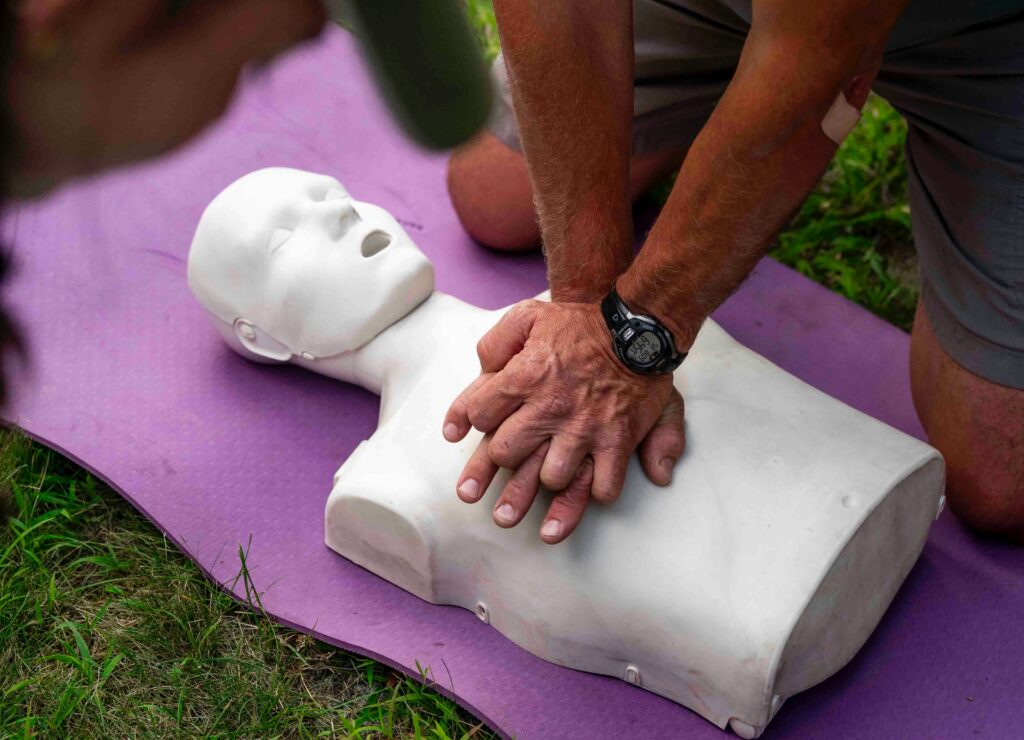
On-Site CPR Training That Fits Norfolk Workplaces
Having trained teams who can respond fast during a cardiac emergency are one of the smartest steps any Norfolk employer can take. On-site classes bring American Heart Association (AHA) CPR, AED, and First Aid training right into your own building, so your people learn in the same spaces where real events might happen. No one has to drive across town, lose a full day off the schedule, or juggle coverage for long trips.
On-site CPR classes usually include adult CPR, use of an automated external defibrillator (AED), and basic first aid skills like helping someone who is choking or bleeding. These skills matter for both medical and non-medical workplaces, from clinics and dental offices to warehouses, schools, and office suites. Here, we will walk through how Norfolk employers can plan on-site CPR classes, understand minimum class sizes, and set up compliance tracking so certifications stay current without last-minute scrambling.
Clarifying Your Organization’s CPR Training Needs
Before locking in dates, it helps to look at your risk profile. Some workplaces have a higher chance of seeing a medical emergency simply because of how many people move through the space or what kind of work is done there. Examples include:
- High-traffic public buildings and malls
- Manufacturing and industrial sites
- Healthcare clinics and dental offices
- Schools, childcare centers, and gyms
- Office buildings with large staff groups
Next, choose the right AHA course level. In general:
- Basic Life Support (BLS) is designed for healthcare providers, such as nurses, medical assistants, and others who work in clinical environments.
- Heartsaver CPR/AED and First Aid is built for the general public and workplace teams that need strong response skills but are not in clinical roles.
It also helps to define who should be trained. Many Norfolk employers focus on:
- New hires, as part of onboarding
- Safety officers or floor wardens
- Supervisors and managers
- Frontline staff who interact with guests or patients
- A designated emergency response team in each department
Once you know which groups need which level of training, you can start mapping out how many classes you will need for your site or for multiple locations, similar to how multi-site teams train in areas like Uniondale.
Scheduling On-Site CPR Classes That Minimize Disruption
Good scheduling keeps learning strong while keeping your doors open. We often suggest starting with a clear view of shifts and busy times. Then, build classes around that.
Effective scheduling ideas include:
- Staggered sessions across the day, so one group trains while another covers operations
- Shift-based scheduling, where each shift gets its own class
- Splitting very large departments into several smaller sessions for better hands-on practice
Norfolk employers should plan to book on-site CPR classes far enough in advance to secure instructor and equipment availability, especially if you want multiple dates or need to coordinate across several branches, like some organizations do when they also train in places such as Troy or Santa Barbara.
When you speak with a training provider, confirm details like:
- Length of each session for BLS versus Heartsaver classes
- Maximum number of participants per instructor
- Room needs, such as open floor space for manikins and people to kneel and practice
- Access to your on-site AED for practice, if available
Having these items clear before training day helps everything run smoothly.
Understanding Minimum Class Sizes and Cost Efficiency
On-site AHA CPR, AED, and First Aid classes usually have both minimum and maximum class sizes. These limits are set to keep the ratio of students to instructors low enough so each person gets plenty of hands-on time on the manikins and with the AED trainer.
When planning, keep these points in mind:
- A minimum class size is often required so the instructor’s travel and setup are practical.
- A maximum class size helps maintain quality and allows enough practice time for each participant.
- Larger groups may need multiple sessions or more than one instructor.
To make classes more efficient, Norfolk employers can:
- Combine teams from different departments into a single session
- Coordinate training across multiple local branches and rotate who attends each date
- Invite trusted partner organizations in the same building to fill extra seats
This kind of planning keeps classes full without leaving open spots that could have gone to another staff member.
Ensuring AHA Standards and Norfolk Compliance Needs
When you bring CPR training on-site, you want to be sure it follows current AHA guidelines. That means:
- Hands-on practice with adult and possibly child manikins
- Clear instruction on AED use
- First aid skills that match your chosen course level
Different industries have different expectations. For example, healthcare practices usually need BLS, while childcare centers, fitness facilities, and construction sites often lean toward Heartsaver CPR/AED and First Aid. It is a good idea to double-check any industry rules or insurance expectations before finalizing your plan.
Before classes start, ask the training provider for:
- Instructor credentials that show alignment with the AHA
- A simple course outline for each class type
- Information on the certification cards your staff will receive, including digital options if offered
Having this information upfront makes it easier to show that your training meets the standards your workplace needs.
Post-Class Certification Tracking That Actually Works
The class is only the first step. To keep your Norfolk workplace ready, you also need a simple system to track certification dates and renewals.
A practical tracking setup usually includes:
- A digital roster from the training session
- Copies or screenshots of AHA eCards or printed certificates
- An internal spreadsheet or HR record that lists each trained employee and their card expiration date
AHA certification cards are not permanent, so renewals matter if you want your coverage to stay strong. To avoid gaps, employers often:
- Set calendar reminders several months before certifications expire
- Plan refresher classes during slower times
- Include CPR training in the standard process for promotions or role changes
It also helps to assign one person, such as a safety manager or HR coordinator, to own the process. That person can keep the training calendar updated, handle signups for new hires, and make sure Norfolk teams always have enough trained responders on every shift.
Protect Your Community With Life-Saving Skills
If you are ready to gain the confidence to act in a crisis, our CPR classes in Norfolk, VA make it simple to get certified on a schedule that works for you. At CPR, AED, and First Aid Certifications, we provide hands-on, practical training that prepares you to respond when every second counts. Explore upcoming course options or reach out with questions, and we will help you choose the right class for your needs. If you need assistance getting started, just contact us and our team will guide you through the next steps.