Assessing CPR Training in Chapel Hill for Real-World Emergencies
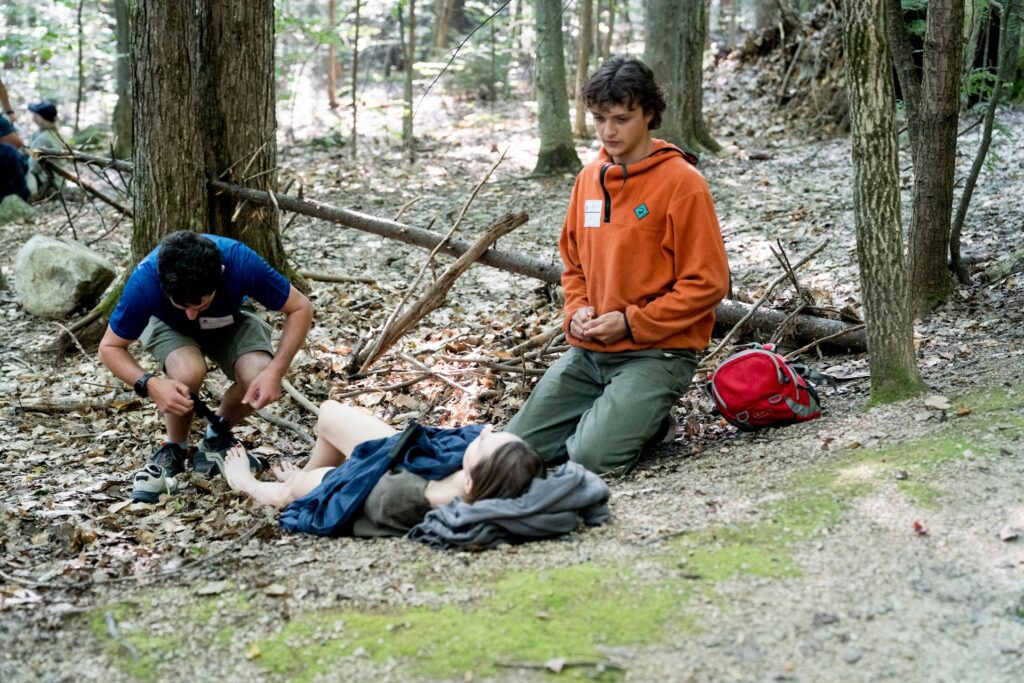
How Chapel Hill CPR Training Prepares You to ACT
CPR training is not just about getting a card. It is about feeling ready to help a real person whose heart has stopped at home, at work, or in a public space. When seconds feel long and everyone is looking around, you want your hands to move almost on their own.
Effective CPR training means you leave class able to act, not just recite steps. You should know what cardiac arrest looks like, how to start compressions, when to grab an AED, and how to work with others until help arrives. That level of confidence only comes from focused, realistic practice.
At CPR, AED, and First Aid Certifications, we provide instructor-led American Heart Association (AHA) CPR, AED, First Aid, and BLS courses with fast, same-day certification. Here in the Chapel Hill area, our goal is to help you decide whether a CPR class truly prepares you for real-world emergencies, instead of just teaching you how to pass a test.
What High-Quality CPR Training in Chapel Hill Should Include
Every good CPR course in Chapel Hill should help you master a small set of critical skills. These are the skills that matter most when a person suddenly collapses:
- High-quality chest compressions at the right depth and speed
- Effective rescue breaths when required by the course
- Fast, correct use of an AED
- Recognition of cardiac arrest and choking in adults, children, and infants
It is not enough to watch a video or listen to a lecture about these skills. To be ready, you need to practice them over and over again.
Strong CPR training usually includes.
- Hands-on practice on manikins, not just watching the instructor
- Real-time feedback on compression depth and rate, so you know you are pressing hard and fast enough
- Realistic AED trainers that talk, give prompts, and walk you through pad placement and shock delivery
- Clear steps for how to check responsiveness, breathing, and when to start CPR
AHA-aligned course content is based on recent science and expert review. That means when you train with an AHA program in Chapel Hill, you are learning methods that match current guidelines and common workplace compliance needs. The same standards apply at other AHA training locations like Troy and Santa Barbara, which helps keep training consistent across different areas.
Evaluating Instructors and the Learning Environment
The instructor makes a huge difference in how much you learn and remember. When you look at CPR training in Chapel Hill, pay attention to the person leading the class.
Good CPR instructors usually:
- Hold current AHA instructor credentials
- Have real-world patient experience, such as EMS or nursing
- Explain steps in clear, simple language
- Offer supportive coaching instead of making students feel nervous or judged
Small class sizes can help too. When there are fewer people in the room, you get more:
- One-on-one time with the instructor
- Chances to practice each skill several times
- Time to ask questions about your own real-life settings, like your workplace, school, or home
The training space itself matters. A strong learning environment is:
- Clean and organized, with disinfected manikins and AED trainers
- Stocked with enough equipment so you are not waiting long for your turn
- Calm and focused, so you feel safe making mistakes and trying again
When the room feels supportive and well-run, it becomes easier to relax, pay attention, and build muscle memory that stays with you.
Matching CPR Courses to Your Role and Requirements
Not every CPR course is right for every person. The AHA offers different options, and the best one for you depends on your role and any rules your job must follow.
In general:
- Heartsaver CPR/AED courses are built for community members with little or no medical background. These classes often fit teachers, fitness staff, childcare workers, workplace teams, and many volunteers.
- Basic Life Support (BLS) courses are designed for healthcare professionals and clinical staff who work in settings like hospitals, clinics, and medical offices.
In Chapel Hill, people often need CPR training for specific reasons. Common examples include:
- Childcare providers who need CPR and First Aid for license or program rules
- Fitness instructors who must know CPR and AED use for gym or studio policies
- Teachers, coaches, and school staff who want to be prepared for student emergencies
- Dental staff who may need BLS due to clinical patient care
- Home caregivers who want to protect family members with heart conditions
Our course finder tool helps you sort this out quickly. You answer a few simple questions about your job role, workplace policies, and any regulatory needs, and it points you toward the AHA certification that usually fits best. The same structured approach is used in other AHA course locations such as Uniondale, which can help if you ever move or train in another city.
Real-World Readiness Beyond the Classroom
Knowing the steps of CPR is one thing. Being able to use them in a noisy, stressful setting is another. Good CPR training in Chapel Hill should include scenario-based practice that feels as real as possible while still being safe and calm.
Strong scenarios might include:
- A sudden collapse in an office hallway
- A person in cardiac arrest at a fitness center
- Someone choking at a community event or school
In each situation, you get to practice what you would actually say and do. You learn how to speak up, get someone to call 911, send another person to grab the AED, and start compressions without delay.
Training should also talk openly about common fears, such as:
- Worry about doing CPR “wrong”
- Concerns about liability
- Uncertainty about when and how to use an AED
When instructors explain how Good Samaritan ideas and clear AHA steps work together, it often feels less scary to step in and help.
Team-based response is another key piece. Many real emergencies do not happen with just one helper. Good classes teach you how to:
- Share roles, like one person doing compressions while another handles breaths or the AED
- Switch compressors so people do not get too tired
- Keep bystanders organized and calm, instead of letting the scene get chaotic
Keeping CPR Skills Sharp After Certification Day
CPR skills slowly fade when we do not practice them. If you wait until your renewal is due to think about CPR again, you might not feel as ready as you did right after class.
Between certifications, Chapel Hill residents can stay prepared by:
- Doing brief self-practice of hand position and compression motion on a firm surface
- Taking part in employer safety drills and practice scenarios
- Reviewing quick AHA refresher materials or class notes from time to time
- Noticing where AEDs are located in places you visit often, such as workplaces, gyms, schools, and community centers
Fast, same-day recertification options make it easier to stay current with both your skills and AHA guidelines. When renewals are simple to schedule and complete, it is more realistic to keep your training up to date. That steady practice and refresh is what keeps you ready to move from bystander to confident responder when someone in Chapel Hill needs help the most.
Protect Your Community With Life-Saving Skills Today
You can make the difference in an emergency by getting certified through CPR, AED, and First Aid Certifications. Use our course finder to choose the CPR training in Chapel Hill that fits your schedule and experience level. If you have questions about class options, group training, or certification requirements, contact us so we can help you get started.