Evaluating CPR Classes Norfolk VA for Restaurant and Bar Staff
Make CPR Training a Competitive Advantage for Your Staff
Quick, calm action during a choking emergency or sudden collapse can protect guests, staff, and your entire brand. In a restaurant or bar, there is no time to debate what to do. Your team either knows how to respond, or they do not.
CPR training is more than a box to check for compliance. For Norfolk restaurants and bars, the right American Heart Association CPR class can be a real advantage. It helps create a safety‑first mindset, reduces chaos when something goes wrong, and gives your staff the confidence to act instead of freeze.
Food and drink spaces come with extra risks. Alcohol, crowded patios, standing room at the bar, sharp knives, and hot equipment all raise the chance of someone getting hurt or suddenly very sick. When you treat CPR training as part of how you protect your guests, not just a rule to follow, it becomes part of your culture, just like good service.
Why Restaurant and Bar Teams Need CPR Skills
Medical emergencies in food and beverage settings often happen fast and right in front of other guests. Common issues include:
- Choking at the table, bar, or on the patio
- Slips and falls on wet floors or stairs
- Burns from hot plates, fryers, or coffee
- Allergic reactions to food or drink
- Sudden cardiac arrest in guests or staff
When something serious happens, emergency medical services still need time to arrive. Immediate CPR and early AED use can keep blood flowing until help gets there. In busy dining and nightlife areas, this early response can make a real difference.
Well-trained staff are not just doing chest compressions. They are working as a team. A strong CPR plan might include:
- One person starting CPR right away
- One person calling 911 and staying on the line
- One person grabbing the AED and bringing it to the scene
- Other staff guiding guests away and keeping the area clear
When everyone has the same training language and steps, there is less shouting and confusion. Guests see a calm, organized response and your team feels proud of how they handled a hard moment.
What to Look for in CPR Classes in Norfolk, VA
Not all CPR classes are built the same. When you are comparing CPR classes in Norfolk, VA, look for clear signs of quality.
American Heart Association alignment should be high on the list. AHA courses follow current science and are widely recognized. This can help you meet local expectations and show that your training is based on trusted guidelines.
Next, focus on how the class is run. For restaurant and bar staff, the style of training matters as much as the content.
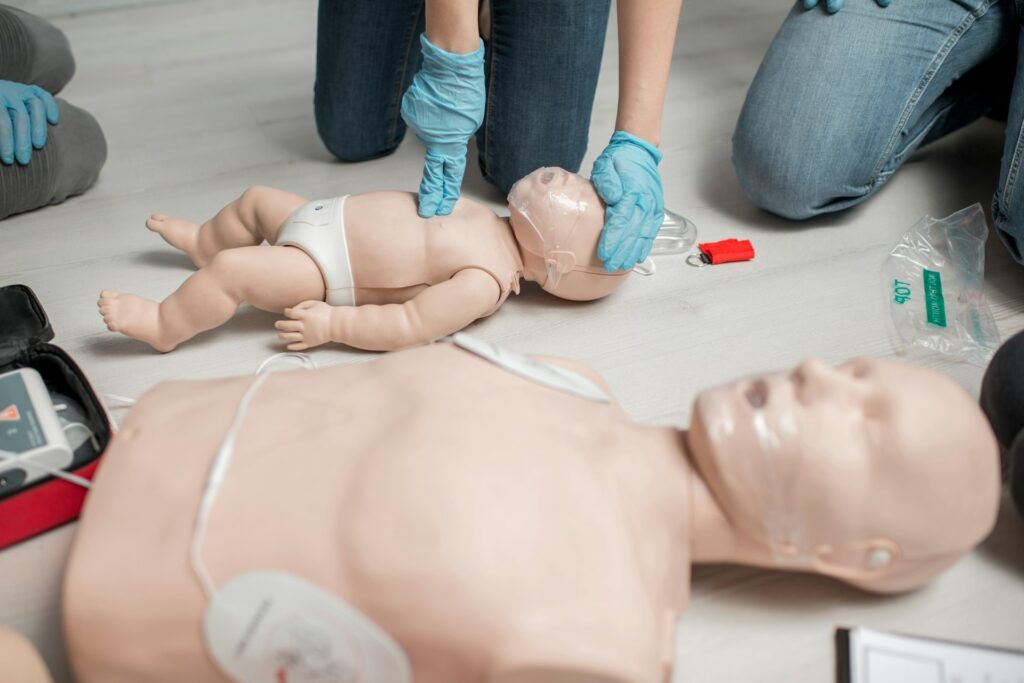
- Hands‑on practice with manikins, not just watching videos
- Time to learn how to use an AED, including opening and turning it on
- Role‑play or scenarios that feel similar to your floor or bar area
- Direct feedback from instructors as staff practice skills
Convenience matters too, especially for hospitality schedules. Flexible class times that work around lunch or late‑night service can make training realistic instead of stressful. Many teams like courses that combine CPR, AED, and First Aid in one session, so staff do not have to attend multiple dates.
If you want to see how AHA training is set up in different areas, it can help to look at locations like this American Heart Association training site as an example of how classes are organized.
Matching CPR Courses to Your Team’s Real Needs
A key step is choosing the right level of CPR course. For most restaurant and bar teams, AHA Heartsaver classes are a great match. They are designed for people who are not medical professionals, like servers, bartenders, hosts, bussers, and kitchen staff.
Some venues that host large events or work with on‑site medical staff may choose Basic Life Support, or BLS, instead. BLS is more advanced and focuses on healthcare settings. If you are not sure which fits your needs, it can help to compare course outlines like those offered at this AHA training location to see how Heartsaver and BLS differ.
For hospitality teams, it usually pays to make sure the course spends enough time on:
- Adult CPR and AED use
- Choking relief for guests seated, standing, or at the bar
- Basic First Aid for cuts, burns, and minor injuries
- Responding when a guest shows signs of a serious reaction
If your restaurant serves families, you may also want child and infant CPR included. When talking with a provider, ask how much class time is spent on adults compared to children, so the focus matches who you serve most often.
Evaluating Local CPR Providers for Quality and Fit
Once you know what you want your staff to learn, it is time to decide who should teach them. Comparing CPR classes in Norfolk, VA goes beyond just picking the lowest price.
Good signs to look for include:
- Instructors with clear AHA credentials
- A course agenda that lists CPR, AED, and First Aid topics in detail
- Practice time built into the schedule, not squeezed in at the end
- Same‑day, verifiable certification cards that staff can access quickly
It also helps when the provider gives renewal reminders and simple reference guides that staff can review between classes. Wall charts, pocket cards, or quick checklists can keep key steps fresh without taking much time.
Many hospitality owners like working with providers who can train on‑site. Training in your own space allows the instructor to:
- Walk your team through where an AED would go
- Practice response plans using your real floor plan
- Help you decide who will call 911, who will guide guests, and who will begin care
For a sense of how established AHA training centers structure their group options, you can look at examples like this AHA training site and then ask local providers how they handle on‑site classes.
Turning CPR Certification Into a Staff Safety Standard
The final step is treating CPR skills as a standing part of how you run your business. When CPR, AED, and First Aid training is woven into the schedule, it stops feeling like an extra chore and becomes part of your service standards.
Many managers choose to:
- Set a goal for how many staff on each shift must hold current AHA cards
- Track certification dates so cards are renewed before they expire
- Include CPR and choking relief refreshers in staff meetings or pre‑shift huddles
Short skill checks, even just reviewing how to call 911 from the host stand or where the AED is stored, can keep everyone sharp. New hires can be added to the next scheduled class so they start with the same expectations as the rest of the team.
By making CPR training a normal part of restaurant or bar life, your staff understands that safety is just as important as speed of service. That clear standard helps protect guests, supports your team when the unexpected happens, and shows that you take real action to keep people safe.
Protect Lives With Expert CPR Training Today
Invest a few hours now to gain the skills that can help you stay calm and effective in an emergency. At CPR, AED, and First Aid Certifications, we offer convenient, high-quality CPR classes in Norfolk, VA designed for both first-time learners and renewals. Explore upcoming courses and pick the option that fits your schedule, or contact us with any questions about group or workplace training. Take the next step today so you are ready to act when it matters most.