Beyond the Pool: CPR Training for Lifeguards in King of Prussia
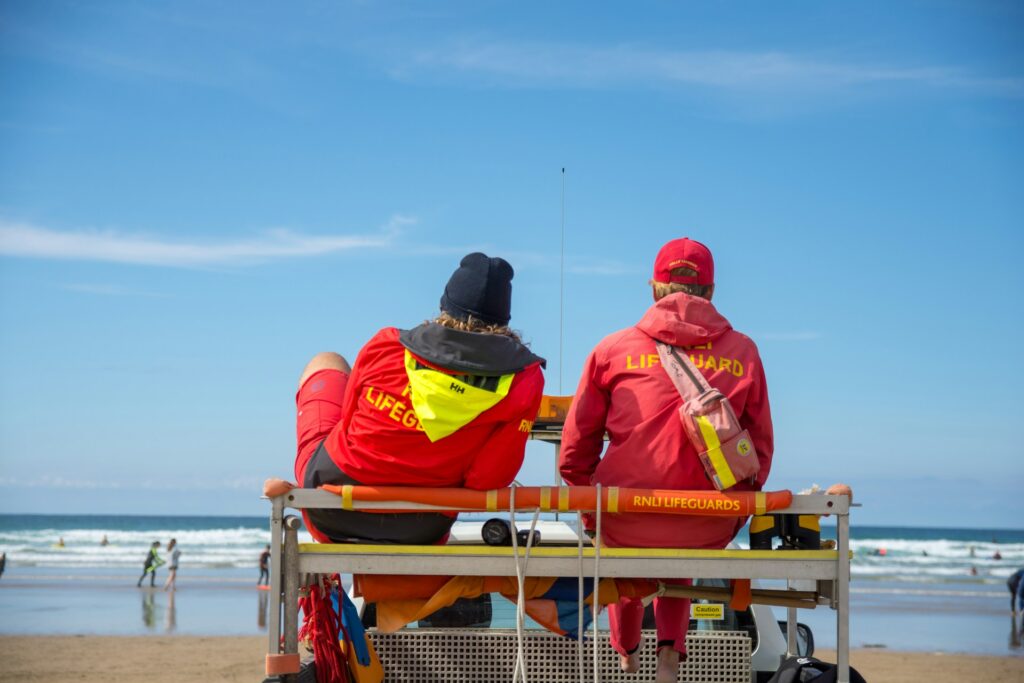
Why Lifeguards Need Advanced CPR Skills
Lifeguards are often the first people to reach someone in trouble around the water. When a swimmer stops breathing or collapses, every second counts, and what the lifeguard does in those first minutes can shape how that story ends. Strong CPR skills are not extra training for a lifeguard; they are core job skills.
High-quality CPR can give a person a real chance to survive a sudden cardiac or respiratory emergency. That means hard, steady compressions, effective breaths, and quick action, not guesswork or hesitation. For lifeguards, this level of care only comes from advanced, hands-on training that is built around American Heart Association (AHA) guidelines and focused practice.
CPR training for lifeguards in King of Prussia should go far beyond watching a video. It should include active coaching, realistic poolside scenarios, and feedback on technique. This is the kind of training that helps lifeguards stay calm, work as a team, and respond with confidence when the alarm sounds.
Core CPR Competencies Every Lifeguard Must Master
Strong CPR begins long before the first chest compression. A lifeguard needs to quickly size up what is happening and decide what to do next. Key skills include:
- Spotting signs of cardiac arrest
- Checking for responsiveness and normal breathing
- Activating the emergency response system
- Starting CPR without delay when needed
Once CPR begins, technique matters. Lifeguards must be able to perform:
- Hard and fast chest compressions in the center of the chest
- Correct compression depth and full chest recoil
- Smooth cycles of compressions and rescue breaths
- Safe use of a pocket mask or bag-mask device
Lifeguards also need to know how to adjust for different ages. Adult and child CPR are not exactly the same. Hand placement, compression depth, and even body positioning can change. In an AHA-focused course, lifeguards practice on different manikins and get specific coaching on both adult and child skills so they can switch quickly if needed.
Real-world practice is a big part of strong CPR training for lifeguards in King of Prussia. Drills can mirror the kinds of emergencies that might happen near pools, splash pads, or aquatic centers. For example, training may include pulling a manikin from the water onto a hard surface, working around crowded deck space, or coordinating with another responder, similar to what our teams do in places like busy aquatic facilities in Uniondale.
Integrating AED Use Into Lifeguard Response Plans
CPR alone is not always enough to get a heart beating the right way again. When a sudden cardiac arrest is caused by an abnormal heart rhythm, an automated external defibrillator, or AED, is a key part of the response. Lifeguards must be ready to bring the AED into use within minutes of a collapse.
Strong AED skills for lifeguards include:
- Turning the device on without delay
- Exposing the chest and placing pads in the correct positions
- Dealing with wet or damp skin safely
- Following the AED prompts while CPR continues
Training should stress that CPR and AED use go together. One lifeguard may begin compressions while another runs for the AED and a third calls emergency services. AHA-based classes help lifeguards practice these roles, trade off smoothly, and avoid long pauses in compressions while the AED analyzes or delivers a shock.
Water adds another layer. Lifeguards learn how to quickly dry the chest area, avoid standing in puddles, and keep the device and cables clear of water as much as possible. Practicing these steps for CPR training for lifeguards in King of Prussia helps make sure that, when an emergency happens, the team does not have to think through each detail from scratch.
First Aid Skills That Support Lifeguard CPR Readiness
CPR is often the last line of defense. Good first aid can sometimes stop an emergency from reaching that point. Lifeguards need strong first aid skills that fit the risks around pools and aquatic areas.
Helpful first aid skills for lifeguards include:
- Helping someone with breathing problems
- Controlling heavy bleeding
- Supporting a possible head, neck, or spine injury
- Spotting signs of shock early
When these skills are used quickly, they can keep a person more stable while waiting for EMS. For example, managing a serious cut promptly or calming and supporting a guest with a medical condition can prevent the body from becoming so stressed that the heart stops. In this way, first aid supports CPR by lowering the chances that full resuscitation will be needed.
Combined CPR, AED, and first aid classes are a smart option for lifeguard teams. With a blended course, lifeguards can train for a wide range of emergencies in a single, organized plan. We use similar combined approaches with aquatic staff in other regions, like our AHA training programs in Troy, to keep skills connected and practical.
Local CPR Training for Lifeguards in King of Prussia
Lifeguard training needs to match the real expectations placed on aquatic staff. CPR training for lifeguards in King of Prussia should line up with facility rules, insurance needs, and common industry standards for pools, hotels, fitness centers, and community swim clubs.
Instructor-led, AHA-based classes give lifeguards hands-on advantages that self-study options do not provide, such as:
- Real-time feedback on compression depth, rate, and hand placement
- Guided practice with adult and child manikins
- Time with AED trainers that mirror the devices on site
- Group drills that reflect lifeguard rotations and pool layouts
This kind of training also gives space for real questions. Lifeguards can ask about situations they are worried about, like how to handle a crowded pool deck or how to safely move a person with a suspected spine injury before starting CPR. Our experience in other locations, such as AHA courses in Santa Barbara, shows that this open discussion helps make the skills stick.
When training is aligned with American Heart Association guidelines and focused on the unique needs of lifeguards, CPR, AED, and first aid skills become part of daily readiness, not just something checked off for a card.
Stay Rescue-Ready with Lifeguard CPR Certification
For lifeguards and aquatic managers, CPR training is not a one-time box to check, then forget. Skills fade over time if they are not reviewed and practiced. Regular refreshers and recertification help keep muscle memory sharp and make it easier to act without freezing or second-guessing.
Ongoing CPR training for lifeguards in King of Prussia should focus on:
- Refreshing core CPR steps and AED use
- Reviewing any changes in AHA guidelines
- Practicing team-based responses with newer staff
- Rebuilding confidence after a real emergency or a long gap without events
When lifeguards keep their CPR, AED, and first aid certifications current, they are better prepared for the wide range of situations that can happen in and around the water. That steady preparation helps protect swimmers, supports coworkers, and strengthens the overall safety culture at every pool or aquatic facility.
Earn Lifeguard-Ready CPR Skills That Save Lives
Make sure you are fully prepared on the pool deck with nationally recognized CPR, AED, and first aid credentials from CPR, AED, and First Aid Certifications. Use our course finder to schedule your CPR training for lifeguards in King of Prussia at a time that works for you. If you have questions about class options or group bookings, simply contact us and we will help you choose the right course.