Cost-Effective CPR Training for Lifeguards in King of Prussia
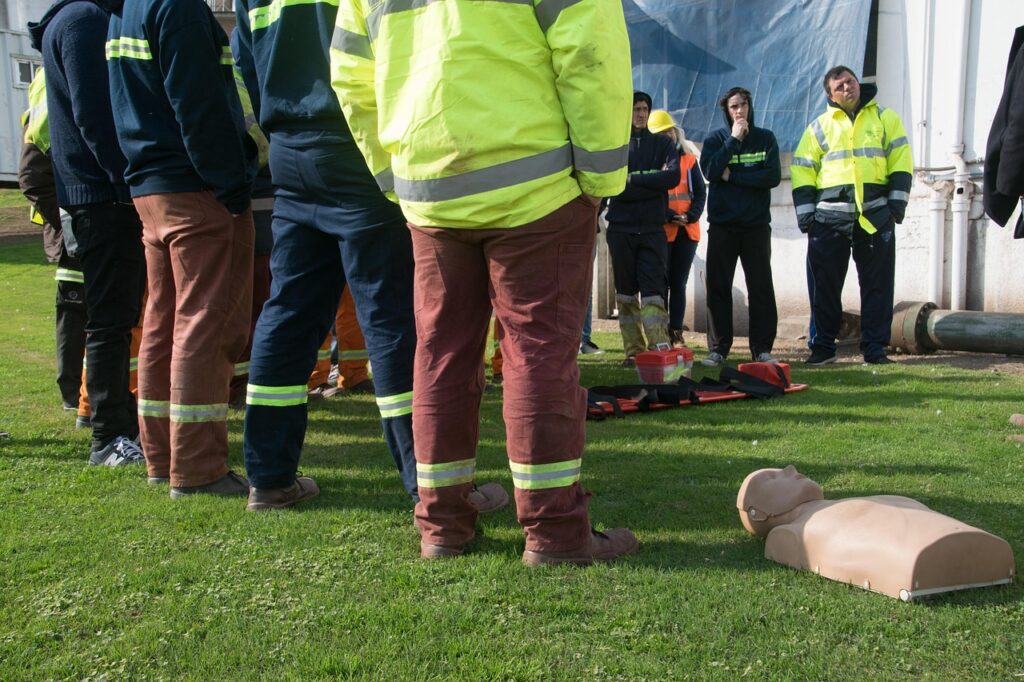
Affordable CPR Skills That Protect Every Swimmer
Lifeguards carry a big responsibility. When someone stops breathing or their heart stops beating, every second matters, and strong CPR skills can make a real difference. That is why having current, high-quality CPR training is so important for anyone watching over a pool or aquatic facility.
Cost does not have to be a barrier to good training. When classes follow American Heart Association (AHA) guidelines, you still get clear, accurate skills without cutting corners. The key is choosing a training option that keeps quality high while keeping the process simple and efficient.
CPR training for lifeguards in King of Prussia should balance three things: trusted AHA content, hands-on practice, and a smooth path to getting your certification card. Local, in-person courses that offer same-day cards help lifeguards stay ready for the deck without a long break from work or daily life.
Why Lifeguards Need AHA-Compliant CPR Certification
For lifeguards, CPR and AED skills are not just nice to have; they are part of the job. AHA-compliant training follows current science about how to support the heart, lungs, and brain during an emergency. This type of training lines up with what many aquatic facilities, employers, and regulators expect.
There is a big difference between watching a short CPR video and completing a formal, instructor-led AHA-compliant course. Informal awareness might show you the basic steps, but it usually does not include:
- Guided practice on manikins
- Direct feedback on your technique
- Skill checks to confirm you meet standards
- A recognized certification card at the end
With formal AHA CPR and AED certification, lifeguards learn skills such as:
- High-quality chest compressions with the right depth and rate
- Rescue breathing with a barrier device or bag-mask
- Two-rescuer team CPR and clear role sharing
- Safe and confident use of an AED on adults, children, and infants
These skills help lifeguards respond to drowning events, cardiac arrest on the pool deck, or breathing problems in the stands. Some lifeguards and health staff also add BLS courses for a deeper level of training that still connects with their work on the water. Locations like Uniondale AHA classes and Troy AHA training show how this same standard is used in many communities.
Cost-Effective CPR Training for Lifeguards in King of Prussia
Many lifeguards are students or part-time staff. Many pool managers work within tight budgets. When you add in travel time, schedule changes, and missed shifts, training can feel stressful if it is not planned well.
Choosing local AHA-based classes in King of Prussia helps limit those extra costs. Short travel times mean less time off the schedule. Same-day certification cards mean no waiting around for proof of training. Simple online enrollment cuts down on back-and-forth emails and confusion.
Here are some common ways cost-effective CPR training helps lifeguards and facilities:
- Less time away from work because classes are nearby and in person
- Fewer repeat visits thanks to same-day card delivery
- Easy enrollment that keeps paperwork and admin time lower
- One standard of training for all staff so everyone knows the same steps
Group classes are a smart option for lifeguard teams. When multiple guards train together, managers can:
- Lower the per-person cost compared to many separate signups
- Build a schedule that fits open swim, lessons, and events
- Create team habits for who does compressions, who uses the AED, and who calls for help
Comparing CPR Course Options for Aquatic Facilities
Not every CPR course fits lifeguard work. When managers choose training, it helps to look at a few key points, not just the basic outline of topics.
Things to weigh when picking CPR training for lifeguards in King of Prussia include:
- AHA alignment and up-to-date guidelines
- Instructors who understand pool decks and aquatic risks
- Plenty of hands-on practice with manikins and AED trainers
- Clear information on when and how often cards must be renewed
Low-cost, low-quality options can seem tempting, especially online-only courses that have no live instructor. For lifeguards, that style often leads to shallow learning. Without real practice and feedback, it is harder to build the muscle memory needed when stress is high.
In-person, AHA-based courses provide:
- Realistic practice using scenarios based on poolside events
- Skill checks so you know you are doing compressions and breaths correctly
- Coaching on working as a team during emergencies
It also helps to pick training partners who understand:
- How to respond when a swimmer is pulled from the water and may have swallowed water
- How to care for possible spinal injuries during and after a rescue
- How to move from water rescue to CPR on the deck while keeping the scene safe
Training programs at locations such as AHA classes in Santa Barbara follow these same ideas, which is helpful when comparing what you want in King of Prussia.
Maximizing Value with Group and Recertification Plans
CPR skills fade if they are not practiced. Lifeguard managers who plan ahead for recertification help their teams keep skills sharp and cards current. This avoids last-minute scrambles when a card is close to expiring.
Setting up regular group classes for lifeguards, swim instructors, and other staff can:
- Keep costs predictable over time
- Make sure no one is left out because of timing conflicts
- Create a shared routine for how your whole team responds during an emergency
Timely recertification has both safety and financial benefits. Staff with expired cards may not be able to work in some roles, which can leave gaps in coverage. Refreshing skills on a schedule helps catch bad habits early, such as compressions that are too slow or not deep enough.
Many aquatic facilities also coordinate CPR, AED, First Aid, and BLS training into one overall plan. This kind of setup can:
- Reduce duplicated class time for staff
- Keep all emergency response skills on the same renewal cycle
- Make sure the people who respond first have matching training and language
Take the Next Step Toward Safer King of Prussia Pools
For both individual lifeguards and supervisors, a simple starting point is to look at current CPR cards and note the expiration dates. Knowing what is required for each role at your facility helps you plan the next course before anyone is pulled from the schedule.
When you choose AHA-compliant CPR training for lifeguards in King of Prussia, you support a safer pool environment with skills that match what many employers and regulators expect. With in-person instruction, hands-on practice, and same-day certification cards, lifeguards can keep their focus where it belongs: on protecting every swimmer in their care.
Get Certified With Lifeguard-Specific CPR Skills Today
If you are ready to strengthen your response in an emergency, enroll in our CPR training for lifeguards in King of Prussia and build the confidence you need on the pool deck. At CPR, AED, and First Aid Certifications, we focus on realistic skills that help you act quickly when every second counts. If you have questions about scheduling or group options, contact us so we can help you choose the right course.