Beyond the Pool Deck: CPR Training for Lifeguards in King of Prussia
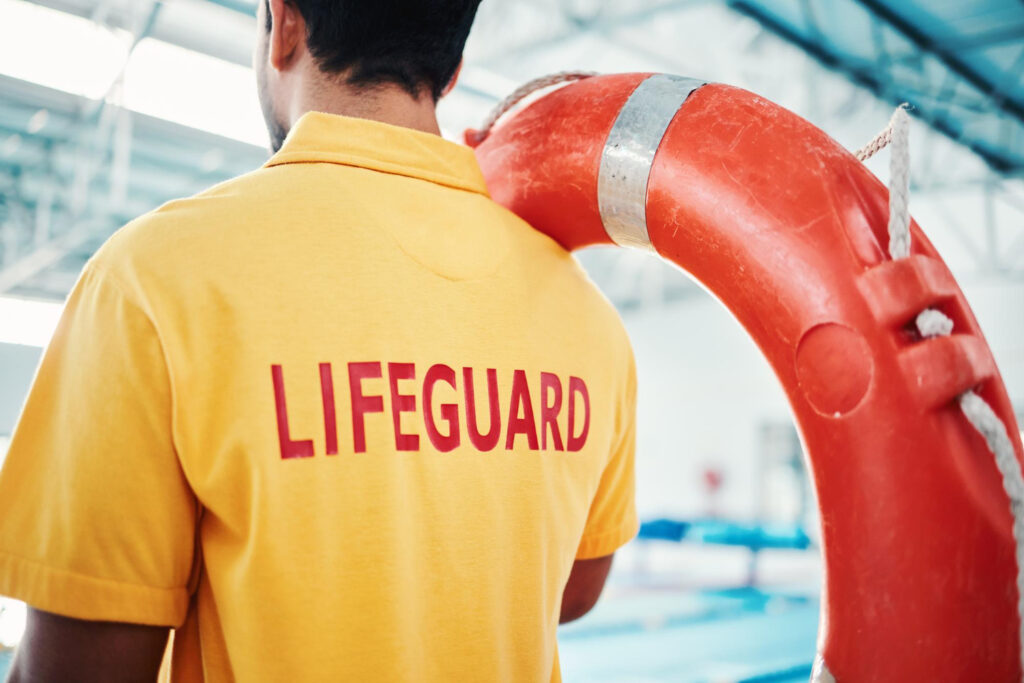
Beyond the Pool Deck: Why Advanced CPR Matters for Lifeguards
CPR training for lifeguards in King of Prussia is about much more than checking a box for a job requirement. When something goes wrong in or near the water, lifeguards are often the first and only line of defense until EMS arrives. That means they need skills that go far beyond basic classroom knowledge.
Lifeguards must be able to recognize breathing and cardiac problems fast, decide what to do, and act under pressure. Near water, they also face special risks like drowning, suspected spinal injuries, and sudden cardiac arrest right on the deck. American Heart Association (AHA) CPR training gives lifeguards structured, evidence-based steps that are built to improve outcomes when every second matters.
Core CPR and AED Skills Every Lifeguard Must Master
Good CPR is not just about knowing the steps; it is about doing those steps well, every single time. Lifeguards need to be ready to care for adults, children, and infants, since many pools serve families and swim programs of all ages.
In AHA-style lifeguard-focused training, we work on skills such as:
- High-quality chest compressions at the correct depth and rate
- Full chest recoil so the heart can refill between compressions
- Effective rescue breaths with just enough air to see the chest rise
- Use of barrier devices, like pocket masks, to reduce exposure to body fluids
- Switching rescuers during compressions without long pauses
Automated external defibrillators, or AEDs, are also a core part of lifeguard response. On a wet pool deck, guards must know how to:
- Quickly dry the chest enough for pad placement
- Place pads correctly on different body sizes
- Keep the area clear during analysis and shock
- Restart compressions with almost no delay after a shock
Team-based practice is just as important. In AHA courses like our programs in locations such as Troy, lifeguards learn how to:
- Call out roles and steps clearly
- Rotate through compressions, breathing, and AED tasks
- Support each other so care is steady and calm
When a real emergency hits, this kind of coordination helps the whole team stay organized instead of panicked.
How CPR Training for Lifeguards in King of Prussia Works
CPR training for lifeguards in King of Prussia is built to be both flexible and hands-on. Many lifeguards start with an online learning piece, where they review videos, short lessons, and knowledge checks at their own pace. This helps them learn the science and basic steps ahead of time.
After that, guards attend an in-person skills session with an instructor. During this time, they:
- Practice on manikins for adults, children, and infants
- Work with training AEDs in a safe environment
- Get feedback and coaching on hand placement, depth, and timing
- Run through realistic pool deck scenarios
These scenarios are tailored to aquatic sites like community pools, aquatic centers, and fitness clubs. Lifeguards practice responding to situations such as:
- A swimmer pulled from the deep end with no breathing
- A guest who collapses near the locker rooms
- A child who chokes during a poolside snack
With in-person skills checks and same-day certification cards, lifeguards can complete training and meet employer requirements without long delays. That helps facilities stay compliant and keeps guard teams ready to cover every shift.
Beyond CPR: First Aid and BLS for Stronger Lifeguard Response
CPR alone is not enough for what lifeguards face. First aid skills give guards the tools to manage many of the injuries and illnesses that happen around the water.
Through first aid training, lifeguards can learn how to respond to:
- Cuts, scrapes, and bleeding from falls on wet surfaces
- Sprains, fractures, and suspected head or neck injuries
- Heat-related problems or feeling faint after swimming
- Sudden allergic reactions and breathing trouble
Basic Life Support, or BLS, goes even deeper. Many head guards or those working alongside healthcare staff in high-risk programs benefit from BLS-level training. In BLS, we focus on:
- Advanced CPR techniques with a higher level of detail
- Use of bag-mask devices for better ventilation
- Multi-rescuer team response and clear role assignment
These added skills support better incident management from the first assessment to the handoff to EMS. AHA-style communication methods help guards share key information quickly so EMS teams understand what happened, what care was given, and how the victim responded. Facilities in other areas, such as our AHA classes in Uniondale, use the same style of training to build strong emergency response systems.
Choosing the Right AHA CPR Course in King of Prussia
Not every CPR class is the same, and different lifeguard roles may call for different AHA course types.
For most guards on deck, Heartsaver CPR AED and First Aid is often the best match. It covers:
- Adult, child, and infant CPR
- AED use for all ages
- First aid skills for common injuries and sudden illnesses
For lifeguards who work closely with medical staff, support special medical programs, or supervise larger teams, BLS is often more appropriate. BLS builds on CPR basics and focuses on high-level resuscitation skills and strong team response.
When choosing a training provider in King of Prussia, look for:
- Instructors with real experience teaching in aquatic or fitness settings
- Small enough class sizes for every student to get hands-on time
- Current AHA guidelines and up-to-date training materials
- A clear plan for renewal and refreshers
It can also help to see how training is handled at other AHA locations, such as our site in Santa Barbara, where the same guideline-based approach is used.
Regular renewals are important too. Skills fade if they are not practiced. Short refreshers, mock drills, and updated courses keep lifeguards confident and aligned with the latest AHA science.
Take the Next Step to Elevate Lifeguard Readiness
For lifeguards and facility managers in King of Prussia, planning ahead is key. Certifications should be renewed before they expire so there are no gaps in coverage. A thoughtful training plan can include:
- Initial AHA certification for all new guards
- Regular practice sessions using manikins and training AEDs
- Scenario-based drills that match the pool’s layout and routines
- On-time CPR, AED, first aid, and BLS recertification
When CPR training for lifeguards in King of Prussia is consistent, focused, and based on AHA guidelines, guards are better prepared to respond to cardiac and breathing emergencies with skill and confidence. That preparation supports not just the person in distress, but the entire community that trusts those lifeguards every time they step onto the pool deck.
Protect Lives With the Right Lifeguard CPR Certification
If you are ready to build confidence and respond effectively in an emergency, our CPR training for lifeguards in King of Prussia is the next step. At CPR, AED, and First Aid Certifications, we focus on practical skills that prepare you for real situations on the pool deck or beach. Explore upcoming classes that fit your schedule, or contact us so we can help you choose the right course for your lifeguard role.