Beyond Compliance: CPR Training for Home Health Aides in Salisbury
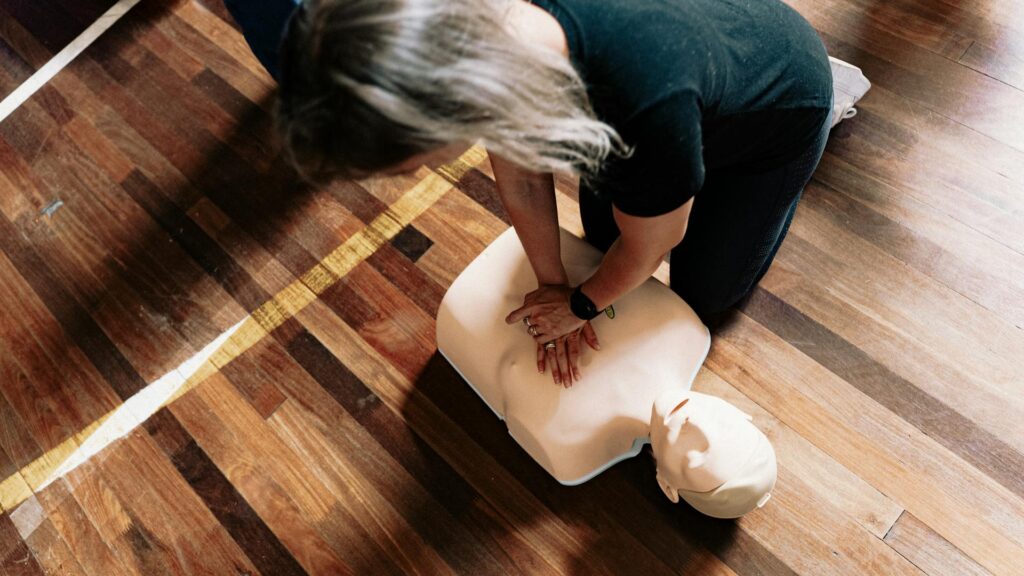
Life-Saving Confidence for Home Health Aides
A medical emergency in a client’s home can change everything in just a few seconds. One moment things are calm, and the next, a client is not breathing, is choking, or becomes unresponsive. In that moment, a home health aide is not just a helper; they are the first person on the scene. The actions taken in those first minutes can mean the difference between life and death.
That is why strong CPR, AED, and First Aid skills matter so much. With training that follows American Heart Association (AHA) guidelines, home health aides can do more than call 911 and wait. They can start care right away and keep going until EMS arrives. Here in Salisbury, many aides and agencies turn to local AHA-aligned CPR classes so they can build real skills and real confidence around emergencies in the home.
Why CPR Skills Matter in Home Care Settings
Home health aides often work one-on-one with clients who may have heart problems, breathing issues, or a history of stroke. There is no code button to press and no hospital team rushing in. When something goes wrong, the aide is the one who must recognize it and respond.
CPR training for home health aides in Salisbury builds a clear understanding of how their actions fit into the chain of survival. This chain starts with early recognition, then early CPR, then quick AED use, and then advanced care from EMS and the hospital. Each link supports the next, and delays in any link can lower a person’s chance to recover.
In a home care setting, strong CPR skills help aides:
- Notice early warning signs like chest pain, trouble breathing, or sudden confusion
- Stay calm enough to follow simple, trained steps rather than freeze in fear
- Keep high-quality chest compressions going while waiting for EMS
- Use an AED correctly if one is available in the home or building
When an aide knows what to look for and what to do, they are more likely to act fast. AHA-guided courses, like the ones offered through our locations in places such as Uniondale, focus on building that quick, confident response.
Core CPR, AED, and First Aid Skills Every Aide Needs
A strong CPR course for home health aides should cover more than just pushing on the chest. It should walk through the full flow of an emergency, from the first concern to the handoff to EMS.
For CPR skills, home health aides should learn how to:
- Check for safety and see if the client responds when you speak or touch them
- Look for normal breathing and not confuse gasping with healthy breaths
- Call for help and activate the emergency response system in their area
- Give chest compressions at the right spot, depth, and rate
- Give rescue breaths if trained and able, using a barrier device when possible
AED training is also key. Aides should feel comfortable with:
- Turning the AED on and listening to the voice prompts
- Placing pads correctly on an adult or child
- Making sure no one is touching the person during analysis or shock
- Restarting compressions quickly after a shock is given or advised against
First Aid skills round out the picture for home care. AHA-based First Aid training for home health aides in Salisbury usually includes how to respond to:
- Falls and possible head or neck injuries
- Heavy or uncontrolled bleeding
- Sudden weakness, slurred speech, or facial droop that could suggest stroke
- Diabetic problems, including low blood sugar
- Breathing problems, including asthma flare-ups and choking
These topics match what home health aides are likely to see with elderly or medically fragile clients, whether they train locally in Salisbury or at another one of our AHA locations such as Troy.
Choosing the Right CPR Course in Salisbury
Not every CPR course is the same, and home health agencies should pick training that fits their staff. AHA Basic Life Support, or BLS, is designed for healthcare providers who may work in clinical settings. It covers skills like two-rescuer CPR, bag-mask use, and care for different age groups, all built around a medical team environment.
Standard CPR, AED, and First Aid courses are usually geared toward community caregivers and are often a good match for many home health aides. These classes still follow AHA guidelines but focus more on one-rescuer skills and real-world home situations.
When choosing CPR training for home health aides in Salisbury, agencies should look for:
- An AHA-compliant curriculum for CPR, AED, and First Aid
- Plenty of hands-on practice with manikins and AED trainers
- Instructors who understand home care settings and solo-responder challenges
- Flexible class options that fit shift schedules and staff rotations
- Same-day certification cards so aides can meet workplace requirements quickly
Some agencies also like to train in groups, so all staff follow the same steps and language in an emergency. AHA-aligned providers with experience in multiple communities, such as our training site in Santa Barbara, know how to adapt class flow to different home care teams.
Turning Compliance Into Professional Excellence
Many states and agencies require CPR certification for home health aides. Meeting those requirements is important, but it is really the starting line, not the finish. The real value comes when aides practice enough that CPR and First Aid skills feel natural, even in a stressful moment.
When aides go beyond basic compliance, they often gain:
- Stronger trust from clients and families who know someone trained is present
- Better job opportunities and more confidence when applying for new roles
- A sense of pride and calm when faced with urgent situations
For clients who are elderly, have heart disease, or are recovering from stroke, this extra skill level can be especially important. Regular recertification and skill refreshers help keep chest compression quality, AED use, and First Aid steps fresh in the mind. Agencies can also review their emergency policies around things like where to store an AED, how to share medical information with EMS, and how to debrief after an event.
When CPR, AED, and First Aid training is treated as an ongoing part of professional growth instead of a one-time box to check, home health aides are better prepared to protect the people they care for, no matter what happens in the home.
Build Lifesaving Skills That Protect Your Clients and Your Career
Give yourself the confidence to act quickly in an emergency with our specialized CPR training for home health aides in Salisbury. At CPR, AED, and First Aid Certifications, we design our courses to fit your schedule while meeting current industry standards. If you have questions about class options or group training, contact us so we can help you choose the right certification path.