Creating Effective Community CPR Training in Santa Barbara
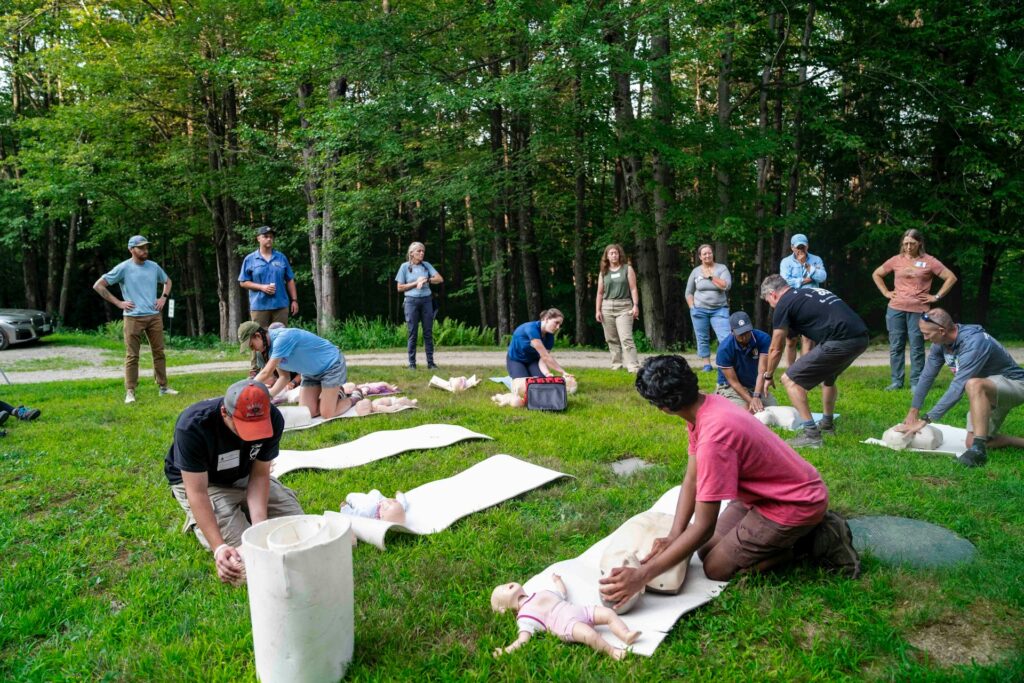
Community CPR training in Santa Barbara is about more than checking a box or earning a card. It is about giving everyday people the skills and confidence to act when someone suddenly collapses and stops breathing. When CPR is started quickly by someone nearby, it can keep blood and oxygen moving until advanced help arrives.
In this article, we will look at what makes community CPR training in Santa Barbara effective, why it matters in local settings, how to design classes for different groups, and how partnerships can turn our city into a community of lifesavers.
Community CPR Skills That Save Santa Barbara Lives
A sudden cardiac emergency can happen almost anywhere in Santa Barbara. It can happen in a busy office, on a sports field, in a gym, or at a neighborhood gathering. Often, the first people on the scene are friends, coworkers, or other community members, not medical professionals.
What changes the outcome is whether someone nearby knows how to:
- Recognize that the person is unresponsive
- Call 911 right away
- Start firm, deep chest compressions
- Use an AED if one is available
Classroom knowledge alone is not enough. People need the chance to practice on manikins, feel the correct compression depth, and hear clear coaching. When CPR training is accessible and focused on real-life situations, people walk away thinking, “I can do this,” instead of “I hope someone else knows what to do.”
Our team provides American Heart Association CPR, AED, First Aid, and BLS training with same-day certification for both healthcare professionals and community members through our local Santa Barbara training site. That mix of high standards and hands-on practice helps build real confidence.
Why Community CPR Training in Santa Barbara Matters
The American Heart Association describes a “chain of survival” for sudden cardiac arrest. Each step in the chain needs to happen quickly, and community members are part of the first links.
Those early links include:
- Early recognition that something is wrong
- Calling 911 without delay
- Starting CPR right away
- Using an AED as soon as possible
In Santa Barbara, cardiac emergencies can happen:
- At home, where family members may be the only ones nearby
- In schools, where staff and teachers supervise large groups
- In fitness studios and gyms, where hearts are working hard
- In workplaces and offices of all sizes
- At public events and community centers
Even when emergency responders move quickly, there is still a gap before they arrive. Trained bystanders help bridge that gap. When community CPR training follows American Heart Association guidelines, it supports consistent skills across Santa Barbara and matches what EMS and hospital teams expect when they take over care.
For organizations that operate in multiple areas, training can also connect with other AHA programs, such as our classes in Troy or courses in Uniondale, so standards stay aligned.
Designing CPR Programs for Different Santa Barbara Groups
Not every group in Santa Barbara needs the same type of CPR class. A good community training plan looks at who is being trained and what situations they are most likely to face.
For example:
- Parents and caregivers may focus on child and infant CPR skills
- Teachers and school staff often need CPR, AED, and First Aid for a wide age range
- Coaches and fitness staff benefit from CPR with AED skills for active adults and teens
- Workplace teams may need CPR, AED, and First Aid that fit company safety plans
- Healthcare professionals usually require American Heart Association BLS certification
Choosing the right course mix helps each group get what they actually need:
- Hands-only CPR for people who want quick skills focused on chest compressions
- CPR with AED to prepare for environments where AEDs are available
- First Aid to cover bleeding, choking, sudden illnesses, and injuries
- BLS for providers who work in medical settings and need deeper skills
Training formats can also be flexible in Santa Barbara. Some groups like instructor-led classes where everyone trains together. Others prefer blended learning, where the knowledge portion is online and the hands-on skills are checked in person. On-site trainings at schools, offices, and community venues make it easier for larger groups to participate.
Making Community CPR Training Accessible and Engaging
For community CPR training in Santa Barbara to truly work, people need to feel that it is doable, practical, and worth their time. Small steps can make a big difference.
Helpful approaches include:
- Offering classes at different times of day to fit work and family schedules
- Sharing clearly that same-day certification is available, so people know they will leave with proof of training
- Providing language options when possible to reach more residents
In the classroom, instructors keep things engaging by using:
- High-quality manikins that give feedback on depth and rate of compressions
- Realistic AED trainers that sound and act like the real devices
- Scenario-based practice so people can work through realistic situations
Many people worry about hurting someone or “doing it wrong.” Instructors address these fears directly, explain what matters most in an emergency, and give immediate, supportive feedback. With enough practice, students see that perfect is less important than acting quickly and confidently.
Partnering with Local Organizations to Expand Impact
To build a community of responders in Santa Barbara, CPR training needs to reach beyond single classes and into local systems. Partnerships are a powerful way to do that.
Organizations that can play a big role include:
- Schools and youth programs
- Fitness centers, gyms, and sports clubs
- Faith communities and nonprofit groups
- Small and large businesses with regular staff or customer traffic
These partners can host on-site American Heart Association-based CPR and AED training for their staff, volunteers, or members. They can also plan ongoing schedules so new team members are trained and current staff keep their CPR, AED, First Aid, and BLS certifications up to date.
CPR awareness can fit into:
- Safety meetings and drills
- New-hire onboarding
- Community health fairs and outreach events
When CPR training becomes a normal part of how Santa Barbara organizations think about safety and care for others, more people gain the skills that can keep someone alive until advanced help arrives.
Protect Lives In Your Community With Certified CPR Skills
At CPR, AED, and First Aid Certifications, we make it simple to gain the lifesaving skills you need to respond confidently in an emergency. Explore our upcoming classes and reserve your spot in our community CPR training in Santa Barbara so you can be ready when every second counts. If you have questions about group sessions, scheduling, or which course is right for you, please contact us and we will help you get started.