Selecting First Aid CPR AED Courses for Multi‑Site Employers
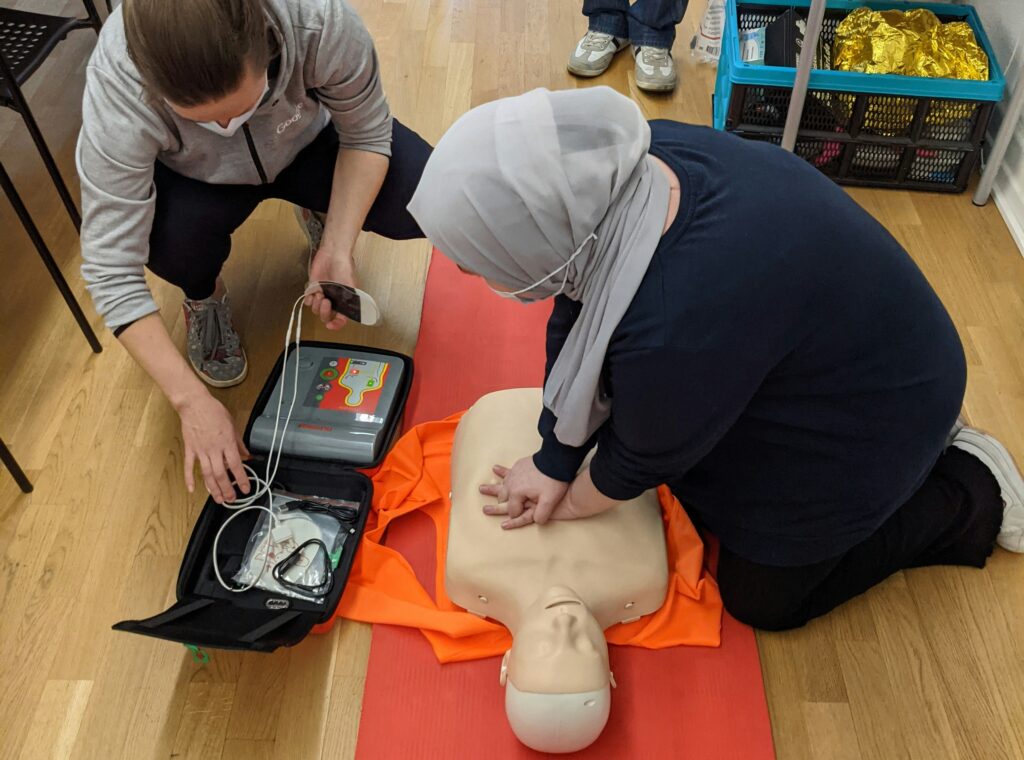
Building a Consistent Safety Culture Across All Locations
When a company has more than one location, safety training can easily become uneven. One site might be confident in emergencies, while another is unsure what to do when someone collapses or is badly hurt. A clear First Aid, CPR, and AED course plan helps every site respond in the same calm, skilled way.
Multi-site employers need consistent CPR, AED, and First Aid training so workers are not guessing during an emergency. Standardized skills reduce confusion and can cut response time, because people know who starts CPR, who grabs the AED, and who calls for help. When everyone trains to the same standard, teams can support each other across locations.
Using an American Heart Association (AHA)-based First Aid, CPR, and AED course helps create that standard. The content follows current science, and proven guidelines, so the steps are the same whether someone trains at your New York office or your facility in another state. Same-day certification also helps large employers keep sites compliant and staffed with trained responders, without long delays waiting for cards or paperwork.
Defining Clear Training Objectives for Every Site
Before picking a training plan, it helps to decide what you want First Aid, CPR, and AED courses to do for your organization. Most multi-site employers share a few core goals:
- Meet regulatory, contract, or industry training requirements
- Protect customers, visitors, and employees
- Reduce risk of legal issues after an incident
- Build confidence so staff act early and correctly
Different sites often have different needs. A healthcare clinic with staff who already hold BLS may need deeper CPR and AED practice, plus clear teamwork drills. A retail store or office might need more focus on basic First Aid, recognizing sudden cardiac arrest, and quick AED use in public spaces.
You can group locations by risk profile so the content fits the work. For example:
- Healthcare and dental settings
- Industrial, warehouse, or distribution sites
- Offices and customer service spaces
- Schools, gyms, or community-facing buildings
Your training objectives should be scalable. As you open new sites, they can step into the same standards. That consistency is easier when all locations follow the same AHA-based framework, like the programs we offer at our Uniondale training center and other areas.
Comparing Delivery Models for Multi-Site Training
Multi-site companies rarely use just one training format. Instead, they mix options to reduce downtime and still keep skills strong. The main delivery models include:
- Fully in-person classes at a training center
- Blended learning, with online lessons plus an in-person skills session
- On-site group classes at each facility
In-person classes are simple and hands-on, but they may require travel. For big teams, sending people to a central hub can work well, especially if you plan specific training days for each region. Blended learning cuts classroom time, since staff complete the online part on their own, then attend a shorter skills check.
Bringing AHA-based instructors directly to each site helps reduce travel and schedule headaches. This is often helpful for:
- Locations with 24/7 operations or shift work
- Facilities in areas far from a main city
- Teams with frequent staff turnover or new-hire waves
Some employers use a mix. For instance, frontline staff attend on-site group training, while a smaller group of managers attends central classes at locations like our Troy training site. The best plan balances training quality with coverage so normal operations keep running.
Ensuring Course Content Matches Real Workplace Risks
Even when you pick an AHA-based First Aid, CPR, and AED course, each site should still review its own risks. The goal is to make sure the skills taught match what workers are most likely to see. Start by asking a few key questions:
- What types of medical events are most likely here, such as sudden cardiac arrest or breathing problems?
- What injury risks exist, such as falls, cuts, burns, or crush injuries?
- How many visitors or customers pass through each site every day?
Once you know the risks, you can match them to the course content. AHA-based programs focus on:
- High-quality CPR with proper rate and depth
- Fast and correct AED use
- Basic First Aid, including bleeding control and shock care
- How to respond while waiting for EMS to arrive
Scenario-based practice is where the training really connects to your workplace. Teams can rehearse:
- Where the nearest AED and First Aid kit are located
- Who calls for help and who meets EMS at the entrance
- How to work around equipment, shelving, gates, or security doors
When staff practice in the real workspace, those details stick. That is why many companies ask us to run sessions directly in their buildings, including community sites that use locations like our Santa Barbara classes as a training hub.
Managing Certifications, Renewals, and Compliance at Scale
With many locations, the hardest part is often not the first class, but everything that happens after. Certifications expire, people change jobs, and new hires start. Without a system, it is easy to lose track of who is current.
A few helpful steps include:
- Using a central tracking system for all certifications
- Recording course type, completion date, and expiration date
- Setting reminders for renewals months before they expire
Same-day, verifiable cards based on AHA guidelines make tracking easier. Safety or HR teams can quickly confirm that someone is current, which is helpful during audits, inspections, or contract reviews.
It also helps to create clear internal policies, such as:
- Which roles must be trained at each site
- How many trained responders you want per shift or per floor
- How often you run refreshers or drills between full renewals
- How to handle promotions, transfers, and new hires
When these policies are written and shared, managers across regions can apply the same rules without guessing.
Turning a Training Plan Into Organization-Wide Readiness
A one-time First Aid, CPR, and AED course is a good start, but real readiness comes from ongoing planning. Many multi-site employers build a simple roadmap that covers several years of training and refreshers. This might include:
- Regular full certification classes
- Short skills review sessions during staff meetings
- Practice drills for cardiac arrest and injury events
It also helps to name training champions or safety coordinators at each site. These people work with a central safety leader to keep standards aligned with AHA-based guidelines. They can check equipment, organize drills, and make sure new staff get into the next class.
When you partner with a single trusted provider, like CPR, AED, and First Aid Certifications, it becomes easier to keep standards consistent, adjust for new locations, and ensure that every site knows what to do when seconds matter. By aligning course selection, delivery models, and follow-up systems, multi-site employers can build a safety culture that feels the same, no matter which building someone walks into.
Take Action Today To Be Ready To Save A Life
Equip yourself with the skills to respond confidently in an emergency by enrolling in our First aid, CPR, and AED course. At CPR, AED, and First Aid Certifications, we provide practical, hands-on training that helps you stay calm and effective when seconds matter most. Whether you are an individual, part of a workplace team, or organizing group training, we can help you choose the right option. If you have questions or need scheduling support, please contact us today.