First aid training for teachers in Baltimore is not a “nice extra.” It is part of keeping students and staff safe from the first bell to dismissal. When something goes wrong, teachers are often the first adults on scene, long before emergency crews arrive.
In this article, we will look at why teachers need more than basic care skills, how American Heart Association (AHA) CPR fits into school safety, and what types of AHA courses work well for busy school schedules. Our goal is to help you see what a fully prepared, AHA-ready campus can look like.
Why Baltimore Schools Need AHA-Level First Aid Skills
Every school day, teachers are around dozens of students who can get hurt or sick without warning. Common classroom and campus problems include:
- Choking during snack or lunch
- Asthma attacks during gym or recess
- Allergic reactions in the cafeteria or classroom
- Head bumps, cuts, or sprains from play or sports
As schools add more clubs, after-school events, and field trips, the chances of something going wrong go up. Larger class sizes mean a single teacher may be responsible for many students at once. When an emergency hits in that setting, fast and confident action matters.
That is where the American Heart Association comes in. The AHA sets widely trusted guidelines for CPR, AED, and first aid. When teachers are trained in AHA methods, they follow the same step-by-step system used in healthcare settings. That consistency helps staff move from “I hope I remember this” to “I know what to do next.”
For schools that want a steady standard across campuses, AHA training, like the options we offer in places such as Uniondale, gives a clear and unified approach.
The High-Stakes Reality of Cardiac Emergencies in Schools
Sudden cardiac arrest can affect students, staff, and visitors of many ages. It can happen during sports, in the hallway, or even while a student is sitting quietly at a desk. There is often no warning, and the person may collapse and stop breathing normally.
When that happens, every minute counts. Someone needs to:
- Recognize that the person is not responsive and not breathing normally
- Call for help and activate the school’s emergency plan
- Start hard, fast chest compressions using AHA CPR steps
- Use the nearest AED and follow its prompts until EMS arrives
AHA CPR training is built around clear, simple actions that are easy to recall under stress. Teachers learn how to check for response, start compressions, give rescue breaths when trained to do so, and work with an AED safely.
Because AHA guidelines are updated over time, teachers are not guessing or relying on outdated tips they heard years ago. They are following current, evidence-based steps. This helps them stay calmer, since they know they are working from a tested method, not from memory alone.
Why First Aid Training for Teachers in Baltimore Must Include AHA CPR
First aid classes that only cover minor injuries leave a big gap. A teacher who can handle a scraped knee but not a child who suddenly stops breathing is missing a key part of the safety puzzle. That is why first aid training for teachers in Baltimore should always include AHA CPR and AED skills.
AHA course designs blend:
- First aid for common classroom injuries and illnesses
- CPR for children and adults, and sometimes infants, depending on the course
- AED use, including how to place pads and follow the device’s voice prompts
These pieces are taught as one plan, not as separate tricks. Teachers practice how a scene might flow: a child collapses, someone calls the office, the AED arrives, compressions start, and another staff member meets EMS at the door. This mirrors real school life more than a simple “bandages and ice packs” class.
Because AHA cards are recognized by many school districts and professional groups, administrators know staff have met a clear training standard. For schools that coordinate with local hospitals or clinics, AHA-based training can also match skills used in nearby healthcare settings, such as our AHA programs in Troy and other locations.
AHA Courses That Fit Teachers’ Real Schedules
Teachers already juggle lesson plans, grading, and meetings. Any training that pulls them from class has to be worth the time and be as smooth as possible. AHA offers several course paths that work well for educators:
- Heartsaver CPR AED for staff who need strong CPR and AED skills
- Heartsaver First Aid CPR AED for a broader mix of emergencies
- Basic Life Support (BLS) for school nurses and health team members
With options like blended learning and flexible class times, schools can set up training that fits teacher workdays and professional development sessions. Same-day certification means staff leave class with proof of training in hand, which helps with HR records and compliance.
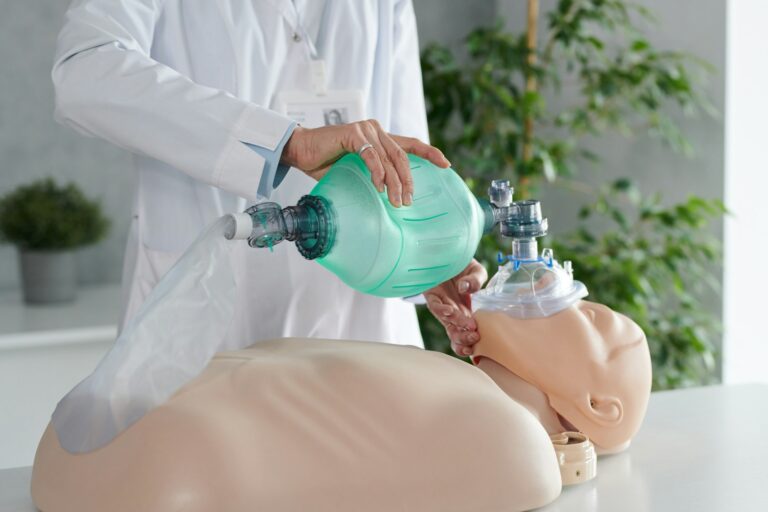
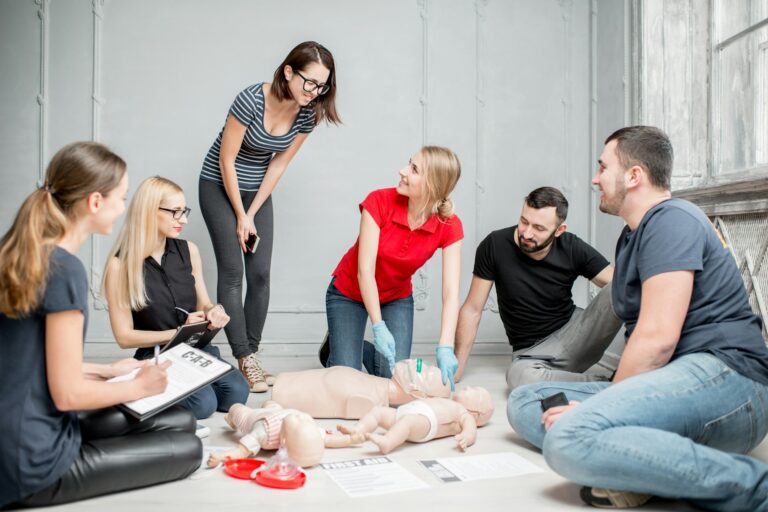
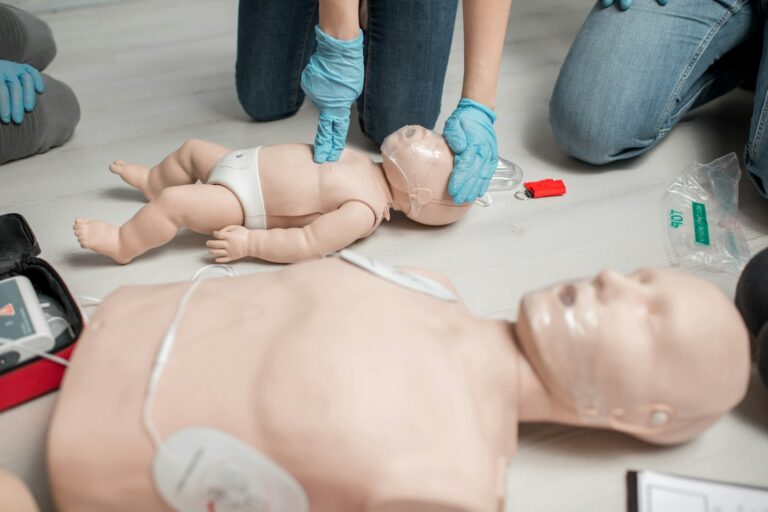
Hands-on practice is a big part of AHA classes. Teachers work on manikins, learn correct hand placement and compression depth, and walk through classroom-style scenarios. Clear, step-by-step AHA guidelines help them lock in those skills so they are less likely to fade between recertification dates. Instructors also coach teachers on how to work as a team, just like they would in a real campus event.
Building a Safer School Culture with AHA Certification
When only one or two people on campus know CPR, the whole school depends on them being nearby at the right moment. A safer approach is to build a culture where many adults can step in. First aid training for teachers in Baltimore becomes much stronger when a large share of staff hold current AHA cards.
This wider training base supports safety across:
- Classrooms and hallways
- Cafeterias and playgrounds
- Gyms, fields, and after-school games
- School concerts, assemblies, and family events
Because AHA uses consistent terms and steps, teachers, office staff, coaches, and nurses share the same “language” during an emergency. When someone says “start compressions” or “get the AED,” everyone knows what that means and what comes next.
Regular refresher courses also keep schools aligned with the latest AHA guidance. As methods change or new best practices appear, staff can update their skills instead of relying on old habits. This supports district policies, emergency plans, and any local requirements that call for current CPR, AED, and first aid training, similar to how we support schools near our Santa Barbara AHA training site.
By making AHA-based CPR and first aid a normal part of teacher training, Baltimore schools can build calm, confident response into everyday life on campus, so staff are better prepared for both minor issues and the most serious emergencies.
Equip Your School With Lifesaving First Aid Skills Today
Give your staff the confidence to respond calmly and correctly in an emergency with our practical, hands-on courses at CPR, AED, and First Aid Certifications. Explore our first aid training for teachers in Baltimore to find a class schedule and format that fit your school’s needs. If you are ready to set up a training session or have questions about group options, please contact us so we can help you plan the right program.