Evaluating First Aid CPR AED Courses for Retail Teams in Salisbury
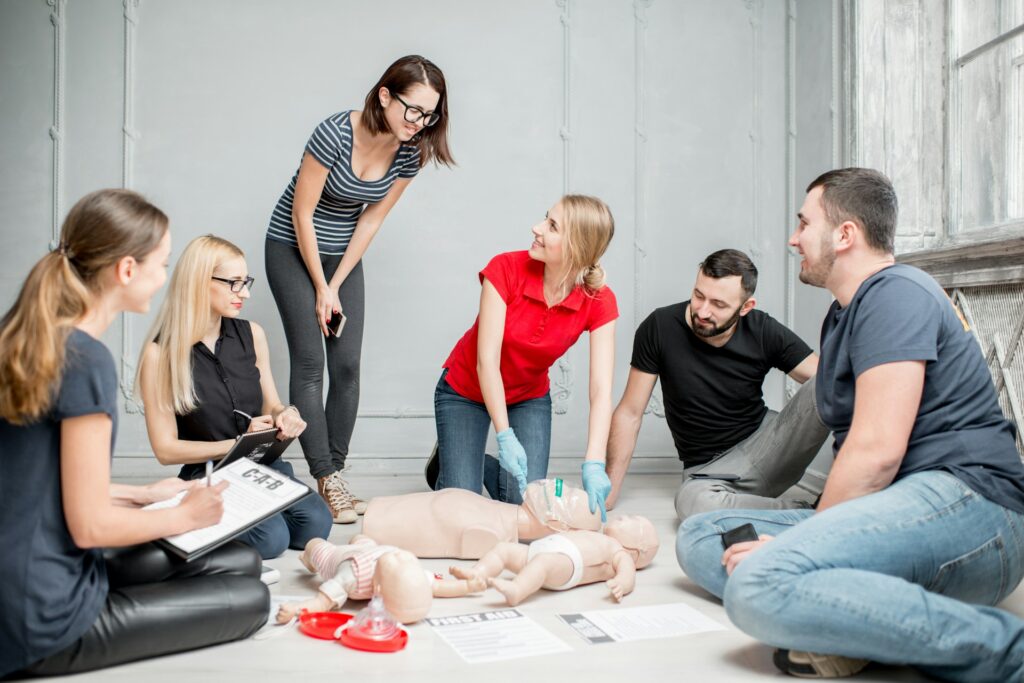
Stronger Retail Teams Through Life-Saving Skills
Retail stores in Salisbury deal with a lot of foot traffic, tight aisles, and busy checkout lines. With all that movement, there is a real chance of slips, trips, fainting, or sudden medical problems, right in the middle of the workday. When something happens near a register, in a fitting room, or back in the stock area, staff are usually the first ones on the scene before medical help arrives.
That is where strong CPR, AED, and first aid skills make a huge difference. When training follows American Heart Association (AHA) guidelines, team members learn a simple, step-by-step way to act fast and stay calm. Instead of feeling scared or unsure, they know what to do and how to work together until EMS takes over.
For Salisbury retailers, first aid CPR AED training should not just be a box to check for compliance. It can be part of a smart risk-management plan and a clear promise of safety to both customers and employees. A trained team can limit the impact of an emergency and help keep the store running smoothly, even on a hectic day.
Key Course Elements Retail Managers Should Require
When managers look at first aid CPR AED in Salisbury for their teams, it helps to know what skills actually matter on the sales floor. Good CPR training for retail staff should focus on common adult emergencies, and also older teens who may be shopping or working part-time.
Strong CPR content should cover:
- How to spot sudden cardiac arrest quickly
- When and how to start high-quality chest compressions
- How to give rescue breaths if the course includes them
- How to work in pairs or as a group around a person on the floor
Since many stores now keep AEDs, AED practice is just as important as CPR. Useful AED training for retail should include:
- Turning the device on and following voice prompts
- Placing pads around clothing and store fixtures
- Making sure no one is touching the person during a shock
- Directing bystanders in a crowded aisle or checkout area
First aid topics should match the real risks in retail. That usually means:
- Bleeding control for box cutter cuts or stockroom injuries
- Burns from equipment, cleaning products, or hot surfaces
- Responding to fainting spells or dizziness in long lines
- Helping someone with trouble breathing until EMS arrives
Course content that reflects true store life is more likely to stick, and staff are more likely to use it correctly under pressure.
Evaluating Course Providers in Salisbury
Not all CPR classes are the same. Choosing an AHA-aligned provider matters because the AHA keeps training in line with current resuscitation science and widely recognized guidelines. That kind of alignment helps ensure certificates are accepted by corporate safety teams, insurers, and healthcare partners.
Retail managers in Salisbury usually have three training format choices:
- In-person classes, where everything happens in the classroom
- Blended courses, with online learning plus an in-person skills session
- On-site training, where instructors come to your store or a local meeting space
In-person classes work well for smaller teams or for key leads. Blended training can be helpful for larger staff groups, because people can complete the online piece between shifts, then attend a shorter, hands-on session. On-site options may match the rhythms of retail best, since they can be planned around deliveries, promotions, and staff meetings.
When comparing providers, it helps to ask about:
- Instructor experience with retail or similar busy settings
- Class size limits, so each person gets enough practice time
- Amount of hands-on work with CPR manikins and AED trainers
- Clear timelines for when cards or certificates will be issued
Some Salisbury managers also look at how the provider supports multiple locations. For example, AHA-aligned courses delivered in places like Uniondale, Troy, or Santa Barbara can help keep standards consistent across a wider retail network.
Matching Course Types to Retail Job Roles
Not everyone in a retail store needs the exact same level of training, but everyone should have some plan for what to do in an emergency. The right mix depends on the roles inside the location.
For example:
- Pharmacy or in-store clinic staff usually need BLS training that matches healthcare expectations.
- Cashiers, floor associates, and department leads often do well with standard CPR AED and first aid courses.
- Security teams and supervisors may benefit from extra focus on scene safety and leading a response.
Stockroom employees often work with ladders, heavy boxes, and sharp tools. Giving them strong first aid training for bleeding control and musculoskeletal injuries can help them manage incidents in the back before they spill over onto the sales floor.
A layered response plan can make the most of these skills:
- Choose a few safety champions per shift who hold current CPR AED and first aid cards.
- Place at least one trained person near high-traffic areas like entrances, registers, and fitting rooms.
- Include first aid CPR AED in Salisbury in onboarding for new hires so safety habits start early.
When people know their role, they can respond faster and with less confusion when a real event happens.
Scheduling, Compliance, and Ongoing Readiness
Retail schedules move around sales, truck deliveries, and staff availability. Good training plans respect that reality while still keeping safety a priority. Managers can use a few simple tricks to make it work.
Helpful scheduling approaches include:
- Staggered sessions, so only part of the team is away at a time
- Blended learning, with online modules that staff finish before or after shifts
- Same-day certification, so there’s no long wait for proof of training
From a compliance angle, stores need a clear way to track who is trained and when cards expire. That might mean keeping a shared spreadsheet or using HR systems to log certificate dates. Matching training policies with corporate safety rules and insurance expectations can also prevent gaps.
Skills fade over time, so ongoing practice is key. Many stores keep people ready by:
- Short, in-store refreshers during team meetings
- Quick AED drills so staff know where the device is and how to grab it fast
- Reviewing who calls EMS, who clears space, and who meets responders at the door
These simple habits keep safety on everyone’s mind without taking over the workday.
Turning Training Into a Visible Safety Advantage
When retail leaders treat first aid CPR AED training as part of daily operations instead of a one-time task, the whole culture shifts. Staff see that safety is part of their job, and customers notice calm, confident responses when something goes wrong.
Retailers can start by:
- Checking how many people on each shift have current training
- Mapping AED locations and making sure they are easy to reach
- Planning the next AHA-aligned first aid CPR AED course in Salisbury for key team members
Over time, clearly marked AEDs, posted response plans, and well-trained staff send a strong message. Stores become places where people feel cared for, both while they work and while they shop, and teams feel better prepared for whatever might happen between opening and closing.
Take The First Step Toward Being Ready To Save A Life
If you are ready to gain skills you can rely on in a real emergency, explore our upcoming classes for first aid CPR AED in Salisbury. At CPR, AED, and First Aid Certifications, we provide hands-on training that helps you respond confidently at work, at home, or in your community. Have questions about which course is right for you or how to schedule a group session? Simply contact us and we will help you get started.